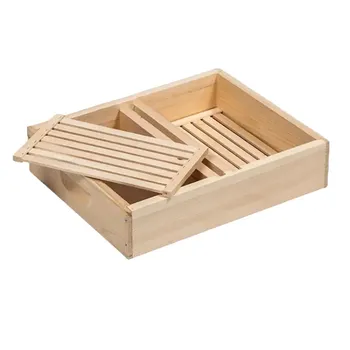
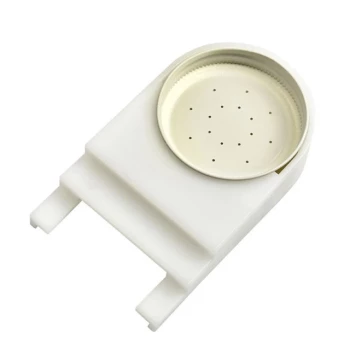
Supplemental feeding equipment is essential because it gives commercial beekeepers controlled access to emergency nutrition when natural forage or stored honey cannot reliably sustain a colony. Bees may consume up to 90 pounds of stored honey in colder regions, and inadequate reserves can cause starvation, weakened colonies, or winter mortality. Proper feeders, fondant holders, and inspection-access equipment help managers provide energy efficiently while minimizing disturbance to the winter cluster.
Core takeaway: Winter feeding equipment is not a substitute for adequate honey stores; it is a risk-control system. It allows apiary managers to respond quickly to food shortages, extreme cold, and early-spring nutritional gaps while protecting the colony’s heat balance.
Why Winter Colonies Need Supplemental Feeding
Bees Depend on Stored Energy
During winter, foraging activity declines sharply and colonies rely primarily on stored honey. If reserves are consumed faster than expected, bees can starve even when food remains elsewhere in the hive.
Extreme cold creates an additional risk. Bees may be unable to move across the hive to reach distant stores, making accessible emergency feed essential.
Commercial Apiaries Face Larger Forage Risks
Commercial colonies often operate across landscapes where nectar and pollen availability is seasonal, fragmented, or concentrated into short crop-bloom periods. Intensive corn and soybean production, drought, and changing flowering patterns can create significant forage gaps.
After a heavy honey harvest, supplemental feeding may also be necessary to restore adequate reserves. This is particularly important when colonies must remain strong for pollination contracts or the next major nectar flow.
Spring Strength Depends on Winter Management
Supplemental feed helps colonies maintain energy levels and begin brood rearing when natural nectar is not yet available. Stronger populations entering spring can improve pollination capacity and support future honey and beeswax production.
However, feed should be used strategically. Stimulating brood production before the colony has enough food, temperature stability, and suitable nutrition can increase stress rather than improve performance.
How Feeding Equipment Supports Colony Survival
It Delivers Feed Without Excessive Disturbance
Winter equipment allows beekeepers to place feed where bees can reach it without fully dismantling the hive. Fondant or sugar bags can be positioned directly above the cluster beneath the crown board or roof.
This arrangement lets bees move upward to feed while preserving much of the hive’s heat seal. It also supports quick top-cover checks instead of prolonged inspections in cold weather.
It Reduces Feeding-Related Moisture Problems
Liquid syrup can introduce moisture into a closed winter hive. Excess dampness can worsen cold stress and contribute to unsuitable internal conditions.
For winter shortages, solid sugar fondant or similar low-moisture feed is generally more appropriate than liquid feeding. Liquid feeders remain useful during warmer periods, such as late fall or early spring, when bees can process syrup and ventilation can be managed properly.
It Enables Repeatable Commercial Operations
Commercial apiaries need feeding methods that can be applied consistently across many colonies. Standardized feeder formats, compatible hive components, and easy inspection access reduce labor variability and make consumption monitoring more practical.
Reliable equipment also helps teams respond quickly when weather changes or inspections show that reserves are below the required level.
Which Feeding Equipment Matters Most?
Solid-Feed Holders and Crown-Board Access
Solid-feed holders, shallow feeding spaces, and compatible crown boards provide a stable location for fondant or sugar bags above the winter cluster. They should allow feed replacement without unnecessary disruption.
The critical design requirement is accessibility: bees must be able to reach the feed as they move upward, and the beekeeper must be able to inspect it rapidly.
Liquid Feeders for Transitional Seasons
Top feeders, frame feeders, and other syrup-feeding systems are useful when temperatures remain suitable for liquid feeding. They support late-fall reserve building and early-spring stimulation.
They should not be treated as a universal winter solution. In cold conditions, liquid feed may remain unprocessed and increase moisture inside the hive.
Pollen-Substitute Delivery Systems
Energy feed does not replace protein. When natural pollen is scarce, pollen substitutes can help support brood-rearing objectives, particularly in late winter or early spring.
Their use should be based on colony condition and forage availability rather than applied automatically. The feeding system must keep substitute feed clean, accessible, and protected from weather and pests.
Monitoring and Inspection Accessories
Feeding equipment is most effective when paired with practical monitoring tools and easy-access hive components. Consumption checks help managers identify colonies that need intervention before starvation becomes irreversible.
For distributors and resellers, compatible systems are especially valuable because customers often need a complete winter-management package rather than a single feeder.
Understanding the Trade-offs
Feeding Cannot Correct Every Winter Problem
Supplemental feed supplies energy, but it does not replace adequate insulation, ventilation, disease control, or sound colony preparation. A colony with serious health problems may not survive simply because feed is available.
Insulation can reduce the energy bees expend maintaining temperature, while feeding provides an emergency energy reserve. These measures work together but solve different risks.
Incorrect Timing Can Increase Stress
Opening a hive for too long in cold weather can disrupt the cluster’s heat balance. Feeding systems that require repeated hive disassembly increase labor and may expose colonies to unnecessary temperature changes.
Equipment should therefore support quick access, minimal handling, and clear consumption checks.
Feed Type Must Match the Season
Liquid syrup is useful when bees can actively process it, but it is poorly suited to many cold-weather situations. Solid feed is safer for emergency winter access but may not provide the same management purpose as liquid syrup during active buildup.
Selecting the wrong feed format can create moisture, waste, labor, or nutritional problems.
Product Compatibility Matters at Scale
Commercial operators need equipment that fits their hive configuration, can be replenished efficiently, and performs consistently across locations. Incompatible components can create delays during critical weather windows.
For B2B buyers, product quality should be evaluated alongside packaging, availability, technical support, and fulfillment reliability.
How to Apply This to Your Project
Use supplemental feeding equipment as part of a planned winter-readiness system, not as an emergency response purchased after colonies are already failing.
- If your primary focus is winter survival: Prioritize solid-feed holders, crown-board access, and low-disturbance inspection designs for fondant or other suitable emergency feed.
- If your primary focus is spring population growth: Combine appropriate liquid-feeding equipment with carefully timed pollen substitutes and regular colony-condition monitoring.
- If your primary focus is commercial apiary efficiency: Source standardized, hive-compatible equipment with dependable stock, rapid response, technical expertise, and efficient multi-item order fulfillment.
- If your primary focus is distribution or resale: Offer a complete portfolio covering feeders, solid feeds, pollen substitutes, insulation products, and compatible hive accessories rather than isolated components.
With the right equipment and timing, commercial beekeepers can turn supplemental feeding into a controlled safeguard for winter survival, spring buildup, and long-term apiary productivity.
Summary Table:
| Equipment Type | Purpose | Best Season | Key Benefit |
|---|---|---|---|
| Solid-Feed Holders | Emergency energy supply | Winter | Low disturbance, reduces moisture risk |
| Liquid Feeders | Reserve building, early spring stimulation | Late fall / early spring | Supports brood rearing |
| Pollen-Substitute Systems | Protein supplementation | Late winter / early spring | Enhances colony strength |
| Monitoring Accessories | Consumption tracking | All seasons | Enables timely intervention |
Partner with HONESTBEE for Reliable Winterization Solutions
At HONESTBEE, we understand the challenges of commercial beekeeping. Our comprehensive wholesale portfolio includes everything you need for effective supplemental feeding—from solid-feed holders and liquid feeders to pollen substitutes and monitoring tools. We cater to commercial apiaries and distributors with:
- One-stop sourcing for all beekeeping equipment, saving you time and effort.
- Premium trading services with rapid response and dedicated customer support.
- Full-spectrum product range including specialized hardware like hive-making and honey-filling machines.
- Ultra-fast delivery and efficient order fulfillment to keep your operations running smoothly.
Whether you are a beekeeper preparing for winter or a distributor seeking reliable supply, we provide the expertise and products to ensure colony survival and productivity. Contact us today to discuss your requirements and discover how we can support your success!
Related Products
- 3.5L Plastic Beehive Frame Feeder Deep Frame Water Feeder for In Hive Use
- HONESTBEE Entrance Bee Feeder Professional Hive Nutrition Solution for Beekeeping
- HONESTBEE Professional Entrance Bee Feeder Hive Nutrition Solution
- Professional In-Hive Bee Feeder HONESTBEE Frame for Beekeeping
- Premium Wood Hive Top Feeder with Floating Rafts for Langstroth Hives
People Also Ask
- What are the technical advantages of using frame feeders for beehives? Maximize Efficiency and Colony Survival
- Can plastic frames be used in any type of beehive? Maximize Your Apiary Efficiency with Durable Solutions
- What are the technical functions and design requirements of plastic feeders? High-Performance Sourcing for Distributors
- What are the advantages of feeding bees inside the hive? Top Benefits for Colony Security and Health
- Are plastic bee hive frames good? A Guide to Modern Durability vs. Natural Appeal