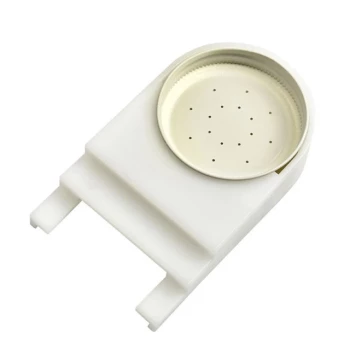
High-protein feed patties are a critical intervention required to sustain the brood-rearing process when natural pollen sources are scarce or unavailable. While carbohydrates from nectar and honey provide the colony with energy for daily activities, protein is the absolute biological prerequisite for rearing new larvae and maintaining colony vitality. Supplementing with these patties ensures that queen egg-laying and nurse bee activities continue uninterrupted, regardless of environmental deficits.
Carbohydrates fuel the bees' movement, but protein builds the colony's future. The addition of high-protein patties bridges nutritional gaps, allowing nurse bees to produce the royal jelly necessary to feed larvae and the queen, ensuring colony growth continues even without natural pollen.
The Biological Necessity of Protein
Fueling the Brood Rearing Cycle
A honey bee colony operates on two distinct fuel sources. While carbohydrates provide the caloric energy for flight and hive maintenance, protein is the building block for growth.
Without adequate protein intake, the colony cannot rear brood. This halts population replacement and growth, eventually leading to colony collapse.
Empowering Nurse Bees
The consumption of protein is specifically vital for nurse bees. They require protein to synthesize royal jelly, a nutrient-rich secretion used to feed developing larvae.
Furthermore, this protein-derived royal jelly is essential for feeding the queen. Her health and egg-laying capacity are directly dependent on the nutrition provided by the nurse bees.
Ensuring Colony Quality
Protein supplementation does more than just maintain numbers; it ensures vitality. Adequate protein intake results in high-quality queens and healthy worker bees capable of sustaining the hive.
Managing Environmental and Experimental Variables
Bridging Environmental Gaps
In nature, bees rely on pollen for protein. However, natural pollen is not always available due to seasonal changes or environmental stress.
High-protein patties, whether made from natural pollen or synthetic protein sources, act as a nutritional safety net. They allow the colony to maintain brood production during these "dearth" periods.
Creating a Baseline for Observation
In managed or experimental settings, protein patties serve a strategic control function.
By ensuring a background of sufficient protein availability, beekeepers can isolate other variables. For example, it allows for the accurate observation of how different sugar sources (carbohydrates) stimulate queen egg-laying without protein deficiency skewing the results.
Understanding the Trade-offs
The Energy vs. Growth Balance
It is critical to understand that protein patties cannot replace carbohydrates. A colony fed exclusively on protein without adequate sugar sources (nectar or honey) will have the materials to build brood but lack the energy to function.
The Risk of Imbalance
Providing carbohydrates alone is equally insufficient for long-term survival. While sugar syrup may keep adult bees alive and energetic, it offers zero support for brood rearing.
Relying solely on energy supplements will eventually result in an aging population with no young bees to replace them.
Making the Right Choice for Your Colony
Depending on the specific needs of your apiary or research project, you must prioritize nutrients differently.
- If your primary focus is immediate energy and adult survival: Prioritize carbohydrate sources like nectar, honey, or sugar syrup to fuel daily hive activity.
- If your primary focus is population growth and brood rearing: You must introduce high-protein feed patties to stimulate queen egg-laying and support nurse bee physiology.
A successful supplementation strategy recognizes that while sugar keeps the colony moving, protein keeps the colony growing.
Summary Table:
| Nutritional Need | Source | Primary Function | Impact on Colony |
|---|---|---|---|
| Energy | Nectar / Sugar Syrup | Daily movement & flight | Sustains adult bee survival |
| Growth | Protein Patties / Pollen | Larval development & Royal Jelly | Drives population expansion |
| Vitality | High-Protein Supplement | Queen & Nurse bee health | Ensures high-quality brood |
| Stability | Synthetic/Natural Protein | Nutritional safety net | Prevents colony collapse during dearth |
Scale Your Apiary Success with HONESTBEE
Maintaining colony growth requires more than just energy—it requires precision nutrition. At HONESTBEE, we empower commercial apiaries and distributors by providing the industry’s most comprehensive range of beekeeping solutions.
Whether you are looking for high-efficiency protein supplementation consumables, specialized honey-filling machines, or robust hive-making hardware, our wholesale portfolio is designed to maximize your operational efficiency and colony health. Partner with a supplier that understands the biological needs of your bees and the logistical needs of your business.
Contact HONESTBEE today to discuss your wholesale requirements!
References
- Diana Sammataro, Milagra Weiss. Comparison of Productivity of Colonies of Honey Bees,<i>Apis mellifera</i>, Supplemented with Sucrose or High Fructose Corn Syrup. DOI: 10.1673/031.013.1901
This article is also based on technical information from HonestBee Knowledge Base .
Related Products
- In-Hive Dual Compartment Frame Bee Feeder for Targeted Colony Nutrition
- HONESTBEE Entrance Bee Feeder Professional Hive Nutrition Solution for Beekeeping
- HONESTBEE Professional Entrance Bee Feeder Hive Nutrition Solution
- HONESTBEE Round Hive Top Bee Feeder for Syrup
- HONESTBEE Professional Hive Top Bee Feeder Feeding Solution
People Also Ask
- What are the advantages of using a frame feeder for bee colonies? Boost Growth and Prevent Robbing Efficiently
- Why should sugar syrup or dry sugar not be left out in the open when feeding bees? Avoid a Dangerous Feeding Frenzy
- What precautions should be taken when feeding bees inside the hive? Safeguard Your Colony from Robbing and Leaks
- How do in-hive feeders support honey bee colonies during autumn? Ensure Overwintering Success for Your Apiary
- What are the advantages of in-hive feeders vs external methods? Boost Colony Health with Precise Spring Feeding