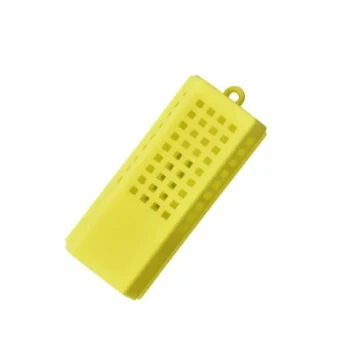
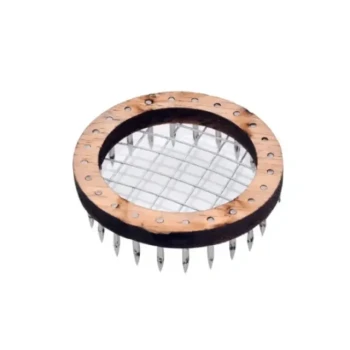
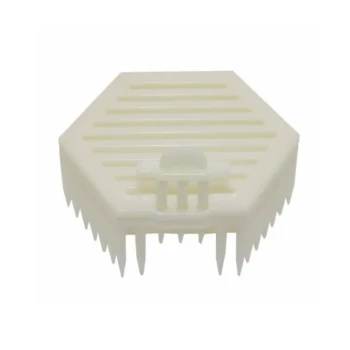
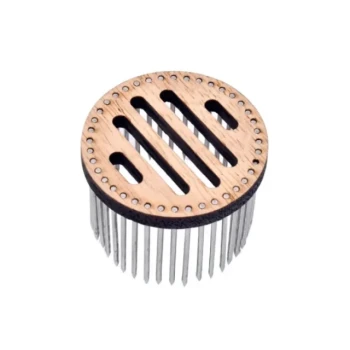
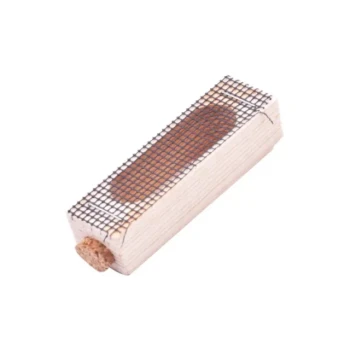
The design of composite hoarding cages is fundamental to ensuring data integrity in indoor honey bee research. By integrating transparent organic glass with galvanized steel mesh, these cages allow researchers to conduct real-time visual assessments and survival counts without disturbing the insects. This dual-material approach simultaneously maintains the critical airflow necessary for the bees' physiological well-being.
Effective indoor observation requires balancing distinct visibility with environmental control. Composite cages achieve this by using transparent materials for data collection and wire mesh to simulate the natural hive ventilation essential for bee health.
Balancing Observation with Environmental Control
The Role of Transparent Organic Glass
The primary challenge in bee research is observing natural behavior without introducing observer effects.
The use of transparent organic glass on specific sides of the cage addresses this issue directly. It facilitates real-time visual assessment, allowing researchers to monitor activity levels and conduct survival counts efficiently.
Ensuring Adequate Ventilation
While visibility is crucial for the researcher, air quality is crucial for the subject.
Composite cages utilize galvanized steel mesh to counteract the impermeable nature of the glass. This mesh ensures adequate airflow through the enclosure, preventing the buildup of heat and moisture that could stress the colony.
Replicating Natural Conditions
Mimicking Local Airflow
To ensure that observed behaviors are authentic, the environment must resemble a natural habitat as closely as possible.
The specific design of the steel mesh, featuring a 3mm aperture, helps mimic the local ventilation environment found within an actual hive. This precise spacing balances air exchange with containment, preventing bees from escaping while maintaining a stable microclimate.
Structural Integrity for Instrumentation
Beyond basic containment, modern research often requires the integration of technology.
The physical structure of the composite cage provides the necessary rigidity for mounting sensors. It also offers stable placement areas for feeders, ensuring that metabolic data can be collected consistently alongside behavioral observations.
Understanding the Trade-offs
The Visibility vs. Ventilation Compromise
While composite cages offer a robust solution, the design represents a calculated trade-off.
A cage made entirely of mesh would offer superior ventilation but would make mounting heavy sensors or viewing specific behaviors difficult. Conversely, an all-glass cage would offer perfect visibility but would suffocate the bees.
Therefore, the specific ratio of glass to mesh is critical; favoring one material too heavily will compromise either the validity of the data or the health of the bees.
Making the Right Choice for Your Goal
When selecting or designing hoarding cages for your study, consider your primary research objectives:
- If your primary focus is behavioral tracking: Prioritize the quality and clarity of the organic glass sides to ensure accurate real-time visual assessment.
- If your primary focus is physiological health and longevity: Ensure the galvanized steel mesh constitutes a sufficient portion of the surface area to mimic local hive ventilation effectively.
By respecting the balance between the transparent interface and the ventilated structure, you ensure your indoor observation yields reliable, high-quality data.
Summary Table:
| Feature | Material Used | Function & Benefit |
|---|---|---|
| Visibility | Transparent Organic Glass | Enables real-time visual assessment and survival counts without disturbance. |
| Ventilation | 3mm Galvanized Steel Mesh | Mimics natural hive airflow and prevents heat/moisture stress. |
| Stability | Rigid Composite Frame | Provides structural integrity for mounting sensors and feeders. |
| Data Quality | Dual-Material Design | Balances environmental control with clear observation for valid results. |
Elevate Your Beekeeping Operation with HONESTBEE
Are you looking to scale your research or commercial apiary with professional-grade equipment? HONESTBEE specializes in supporting commercial apiaries and distributors with a comprehensive wholesale portfolio.
From high-precision composite hoarding cages for research to industrial hive-making and honey-filling machines, we provide the full spectrum of tools, machinery, and essential consumables. Partner with us to benefit from our specialized hardware and unique honey-themed cultural merchandise designed for the modern industry.
Ready to upgrade your equipment? Contact HONESTBEE today to discuss our wholesale offerings and how we can support your growth.
References
- William G. Meikle, Vincent Ricigliano. Comparative assessment of food consumption, longevity, thermoregulation, and molecular health markers in mite-resistant and Italian honey bee stocks. DOI: 10.1007/s13592-024-01071-x
This article is also based on technical information from HonestBee Knowledge Base .
Related Products
- Professional Multi-Compartment Queen Cage with Sliding Lid
- Wood and Mesh Push-In Queen Cage
- Hexagonal Direct Comb Introduction Queen Bee Cage
- Premium Wood and Steel Push In Queen Cage
- Classic Wooden and Mesh California Queen Cage
People Also Ask
- Why are specialized queen bee cages used for the banking of mated queen bees? Maximize Commercial Apiary Storage Efficiency
- What is the mechanism of action for using temporary queen bee cages? Master Successful Queen Introduction
- How are queen cages used to protect newly hatched queens? Secure Your Virgin Queens During Development
- Why are queen cages or grid cages used in bee studies? Achieve Precise Biological Data for Research
- What technical precaution must be taken regarding the mesh or grill side of a queen bee cage? Ensure Queen Survival