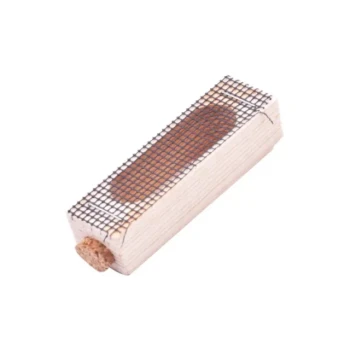
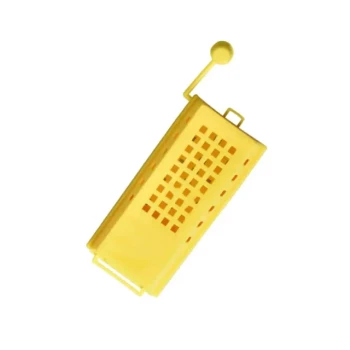
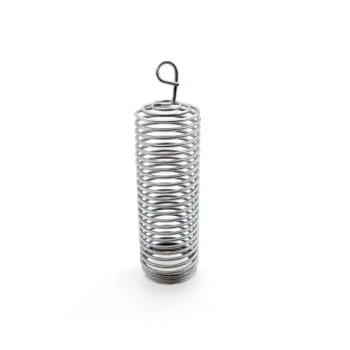
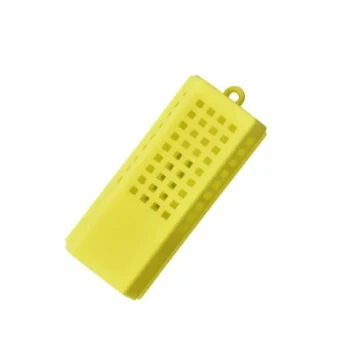
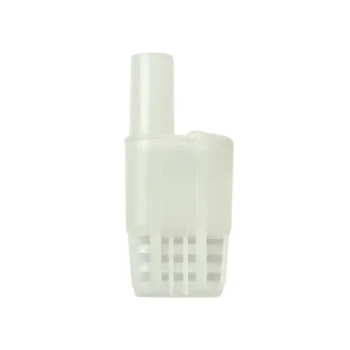
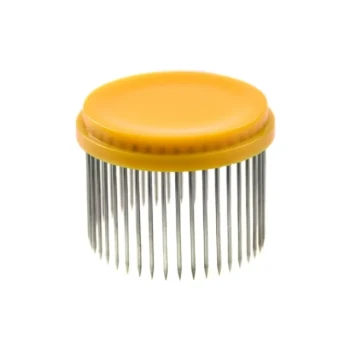
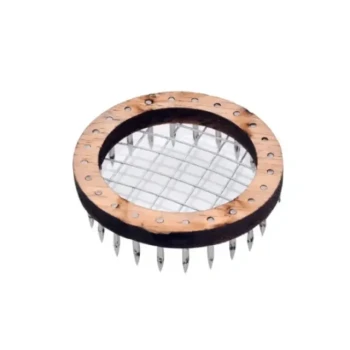
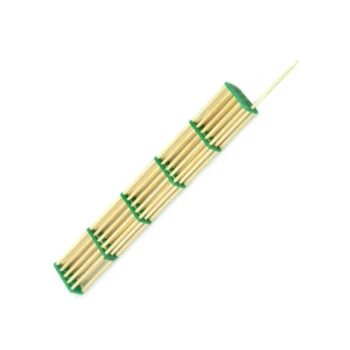
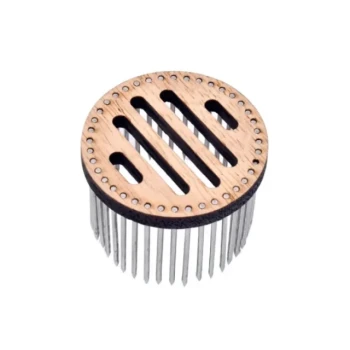
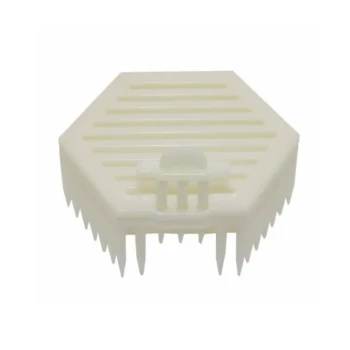
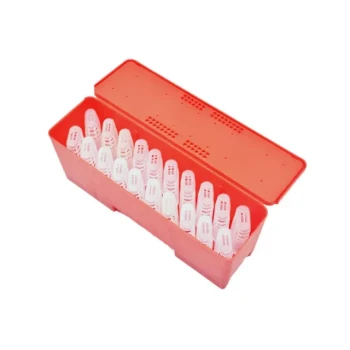
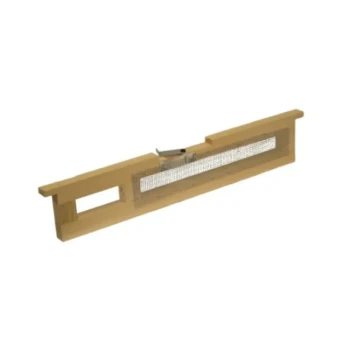
Queen cages are primarily used on the 16th day of the development cycle to serve as a physical isolation barrier for the emerging queen. By placing a cage over the mature queen cell, beekeepers prevent the newly hatched virgin queen from being killed by aggressive worker bees or rival queens within the hive. This ensures the queen remains secure until she can be transferred to a nucleus colony, a mating box, or sold.
The Core Protection Principle In a natural hive, the first queen to emerge will instinctively seek out and destroy all other unhatched queen cells to eliminate competition. The queen cage acts as a firewall, allowing multiple queens to emerge safely in the same colony by physically preventing this fratricide while preserving the genetic investment of the hive.
The Critical Timing: Day 16
The 16th day is the pivotal moment in a queen’s development cycle because this is when emergence occurs.
Immediate Physical Safety
As the queen chews her way out of the cell on day 16, she is soft and vulnerable. The cage provides an immediate fortress.
Without this protection, the colony's natural instinct might trigger worker bees to ball (attack and overheat) the new queen, or allow a rival sister queen to sting her to death.
Preventing "Chain Reaction" Destruction
The primary biological drive of a virgin queen is to be the sole reproductive female.
If a cage is not present, the first queen to hatch will roam the frames, locate other wax queen cells, and sting the unhatched sisters through the wall of their cells. Caging ensures that the first emergence does not result in the total loss of all other candidates.
Mechanisms of Protection
While the primary function is isolation, the design of the cage allows for necessary biological interaction.
The Permeable Barrier
Effective cages, such as plastic hair roller cages, feature a mesh or slotted design.
This structure creates a quarantine zone. It is small enough to keep the queen inside and rival queens out, but open enough to allow airflow and pheromone distribution.
Maintenance of Vitality
The queen cannot feed herself immediately upon hatching; she relies on nurse bees.
The mesh design allows worker bees to pass food through the bars to the isolated queen. This keeps her fed and hydrated without exposing her to the risk of physical combat or rejection by the wider colony.
Operational Advantages
Beyond mere survival, using cages facilitates the management of the queen rearing process.
Controlled Inspection
Caging allows the beekeeper to inspect the virgin queen immediately after hatching in a controlled environment.
Because she is contained, metrics such as length and weight can be assessed to ensure quality before she is introduced to a new colony.
Inventory Management
The cage acts as a holding pen.
It keeps the queen secure and identifiable until the beekeeper is ready to move her to a specific destination, such as a mating nuc or a shipping cage for sale.
Understanding the Trade-offs
While queen cages are essential for modern queen rearing, they introduce specific risks that must be managed.
The Risk of Late Application
Timing is absolute. If a cage is applied even a few hours after the first queen has emerged, the damage may already be done.
The "16th day" is the deadline, not the start date. Experienced beekeepers often place cages (or cell protectors) a few days prior (around 9-11 days post-grafting) to guarantee the cell is covered before the 16th-day hatch.
Nutritional Stress
While workers can feed through the mesh, it is not as efficient as open feeding.
A queen left in a cage too long without a dedicated retinue or candy source may suffer from dehydration or malnutrition, potentially impacting her future egg-laying performance.
Making the Right Choice for Your Goal
To maximize your success rate, tailor your caging strategy to your specific end-goal:
- If your primary focus is Volume: Apply cages early (before day 16) to prevent the first-hatched queen from destroying your entire batch of cells.
- If your primary focus is Quality Control: Use mesh-style cages (like hair rollers) that allow you to visually inspect the queen's size and vitality before releasing her.
- If your primary focus is Sales: Have transport cages ready with sugar candy and attendant bees to transition the queen immediately after she proves her viability.
The queen cage is the single most effective tool for converting a successful graft into a viable, harvestable queen.
Summary Table:
| Feature | Purpose & Function | Timing |
|---|---|---|
| Physical Isolation | Prevents rival queens or aggressive workers from killing the new queen | Day 16 (Emergence) |
| Mesh Design | Allows nurse bees to feed the queen while maintaining a pheromone seal | 9-11 Days post-graft |
| Fratricide Prevention | Stops the first-hatched queen from destroying other unhatched cells | Continuous post-hatch |
| Quality Control | Enables weight and size inspection before colony introduction | Immediate post-hatch |
Scaling Your Queen Rearing? Partner with HONESTBEE
To maximize the success of your commercial apiary, you need reliable equipment that ensures the survival of every queen. HONESTBEE specializes in serving commercial apiaries and distributors with high-quality wholesale beekeeping solutions. From specialized queen cages and cell protectors to advanced hive-making and honey-filling machinery, we provide the full spectrum of tools needed to optimize your production.
Our value to you:
- Comprehensive Inventory: One-stop wholesale for tools, machinery, and consumables.
- Industry Expertise: Hardware designed for professional durability and hive efficiency.
- Scalability: Tailored solutions for growing distributors and large-scale operations.
Protect your genetic investment today. Contact us at HONESTBEE to explore our wholesale catalog and elevate your beekeeping business.
Related Products
- Professional Queen Bee Introduction and Transport Cage
- Classic Wooden and Mesh California Queen Cage
- Professional Queen Cage with Sliding Gate and Feeder Plug
- Durable Galvanized Steel Spring Queen Bee Cage
- Professional Multi-Compartment Queen Cage with Sliding Lid
People Also Ask
- Why are specialized queen bee cages used for the banking of mated queen bees? Maximize Commercial Apiary Storage Efficiency
- What is the mechanism of action for using temporary queen bee cages? Master Successful Queen Introduction
- How is a queen bee released from a queen cage? Ensure Safe Colony Integration & Hive Success
- What materials are required to install a queen bee's cage into a hive? Essential Tools for Successful Queen Integration
- How long should a queen bee stay in the cage before being released? Ensure a Successful Introduction