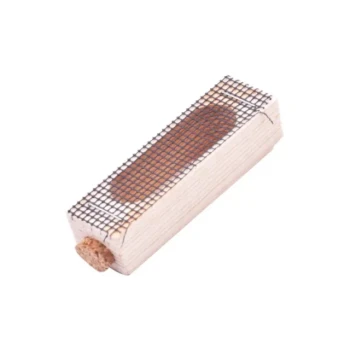
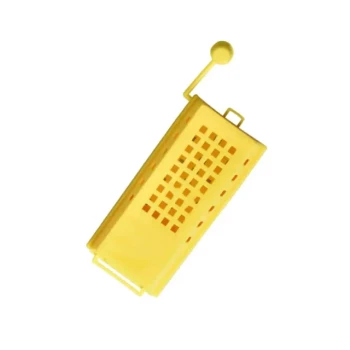
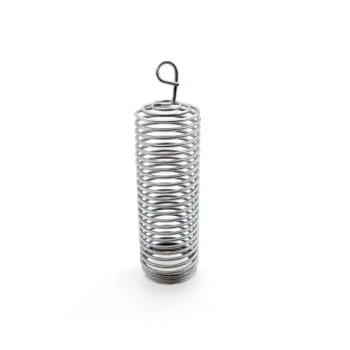
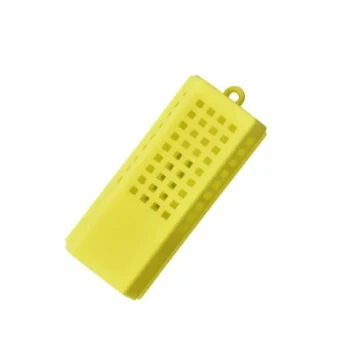
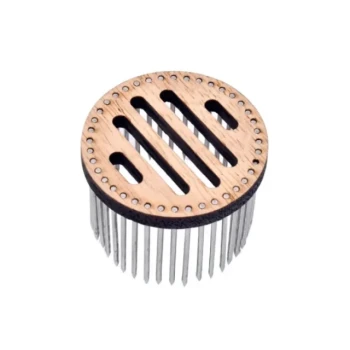
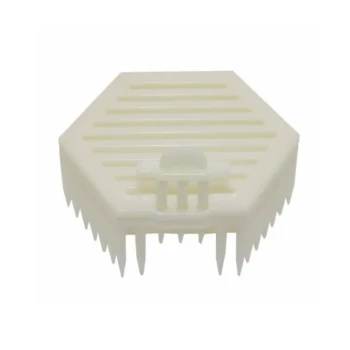
Queen cages and grid cages are primarily utilized to enforce precise synchronization of the biological cycle. By confining the queen to a specific honeycomb area for a set duration, researchers force her to lay eggs within a narrow time window. This guarantees that the resulting larvae—and the eventually emerging worker bees—are exactly the same age.
Core Takeaway In scientific research, even minor variances in specimen age can invalidate lifespan data. Confining the queen eliminates this variable, ensuring that study cohorts are biologically identical and that observed differences are due to experimental factors, not age discrepancies.
The Science of Synchronization
Creating a Standardized Cohort
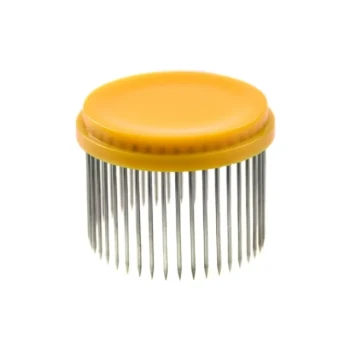
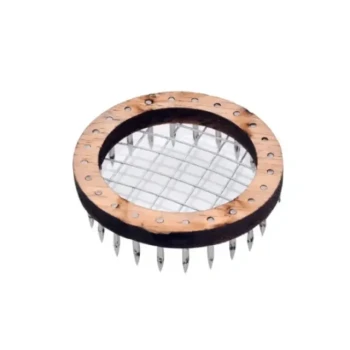
To conduct accurate biological studies, researchers cannot rely on random egg-laying patterns. Grid cages confine the queen to a designated section of the comb.
Because she is restricted to this specific area, all eggs are laid in close succession. This results in a collection of larvae that develop in parallel, eventually emerging as worker bees of an identical age.
Reducing Experimental Error
The primary value of this technique is the reduction of variables in lifespan comparison experiments.
If bees in a sample group vary in age even by a few days, mortality rates will naturally skew. By using cages to strictly manage the egg-laying window, scientists eliminate age-related noise, ensuring the data reflects the true impact of the variables being tested.
Understanding the Trade-offs and Distinctions
While the primary reference focuses on age control, it is vital to distinguish this specific scientific application from other forms of queen restriction.
Age Control vs. Physical Protection
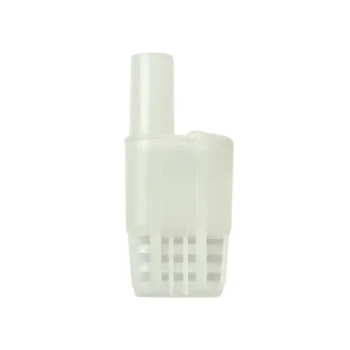
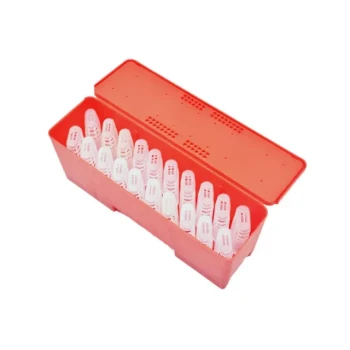
Not all cages are used for age synchronization. Queen protector cages are used to physically isolate developing queen cells.
While grid cages focus on the timing of the offspring, protector cages focus on the safety of the queen herself, preventing fatal combat with rivals or destruction by worker bees. This type of isolation is often used in studies regarding gut microbiota and social interaction rather than lifespan.
Scientific Precision vs. Commercial Utility
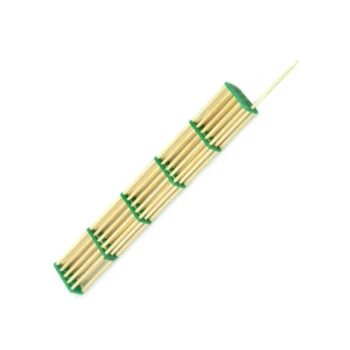
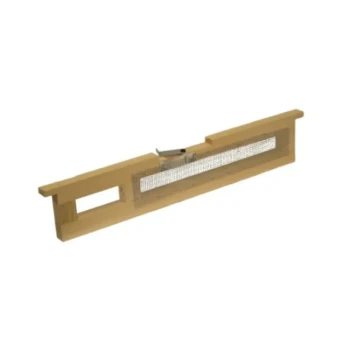
In broader beekeeping, restriction tools like mailing cages or queen excluders serve logistical purposes rather than experimental ones.
Mailing cages manage micro-climates for shipping, while excluders prevent brood contamination in honey supers. These tools manage the queen's location for operational efficiency, whereas the grid cage is a precision instrument for biological data validity.
Making the Right Choice for Your Goal
Select your restriction method based on the specific variable you need to control.
- If your primary focus is Lifespan and Mortality Studies: Use grid cages to force synchronous egg-laying and guarantee an identical-age sample group.
- If your primary focus is Microbiota or Social Interaction: Use protector cages to isolate the queen during development, preventing physical contact while allowing chemical or auditory interaction.
Precision in controlling the queen's movement is the foundational step in generating reproducible, error-free apiary data.
Summary Table:
| Tool Type | Primary Research Purpose | Key Benefit |
|---|---|---|
| Grid Cages | Age-based Synchronization | Forces eggs to be laid in a narrow window for identical-age cohorts. |
| Protector Cages | Physical Isolation & Safety | Protects queen cells from rivals while allowing chemical interaction. |
| Mailing Cages | Shipping & Logistics | Manages micro-climates and safety during queen transport. |
| Queen Excluders | Operational Management | Prevents brood laying in honey supers for cleaner harvests. |
Elevate Your Apiary's Precision with HONESTBEE
Whether you are conducting rigorous biological research or managing a large-scale commercial operation, HONESTBEE provides the professional-grade tools you need to succeed. We specialize in catering to commercial apiaries and distributors, offering a comprehensive wholesale range that includes everything from precision queen cages and hive-making machinery to advanced honey-filling equipment and essential consumables.
Our mission is to empower the beekeeping industry with reliable hardware and honey-themed cultural merchandise that drives efficiency and data validity. Contact us today to discuss how our high-quality equipment and wholesale solutions can optimize your production and research outcomes.
References
- Duran Özkök, Ethem Akyol. The Effects of Some Drugs Used to Treat Honeybee (Apis mellifera L.) Diseases and Pests on Lifespan of Honeybees. DOI: 10.24925/turjaf.v5i7.720-723.1092
This article is also based on technical information from HonestBee Knowledge Base .
Related Products
- Professional Queen Bee Introduction and Transport Cage
- Classic Wooden and Mesh California Queen Cage
- Professional Queen Cage with Sliding Gate and Feeder Plug
- Durable Galvanized Steel Spring Queen Bee Cage
- Professional Multi-Compartment Queen Cage with Sliding Lid
People Also Ask
- Why are specialized queen bee cages used for the banking of mated queen bees? Maximize Commercial Apiary Storage Efficiency
- What is the mechanism of action for using temporary queen bee cages? Master Successful Queen Introduction
- How is a queen bee released from a queen cage? Ensure Safe Colony Integration & Hive Success
- What materials are required to install a queen bee's cage into a hive? Essential Tools for Successful Queen Integration
- How long should a queen bee stay in the cage before being released? Ensure a Successful Introduction