Effective pest control is the cornerstone of colony viability, serving as the primary defense against the physiological degradation caused by parasites. Implementing specialized equipment and measures is necessary not only to prevent immediate colony decline but to ensure that any observed changes in bee activity or flight performance can be accurately attributed to nutritional management rather than underlying disease.
By effectively managing parasitic threats, you remove health-related noise from your management data. This ensures that improvements in colony performance are genuine indicators of vitality and nutrition, rather than temporary survivorship in a diseased state.
Protecting Physiological Integrity
Reducing Parasitic Damage
The immediate necessity of pest control lies in its ability to limit physical harm to the bees. Parasites inflict significant physiological damage that weakens individual bees and, by extension, the entire colony.
Preventing Colony Decline
Without intervention, the cumulative effect of parasitic stress leads to rapid colony decline. Specialized measures act as a barrier, stopping the cycle of deterioration before it reaches a critical threshold.
Maintaining Flight Performance
A healthy colony is an active one. Unchecked pests directly impact the flight performance of foragers. Preserving the bees' physical ability to fly is essential for resource gathering and overall hive productivity.
Ensuring Management Accuracy
Isolating Variables
For professional managers and researchers, distinguishing between a nutrition problem and a health problem is vital. Pest control eliminates health-related variables from the equation.
Validating Nutritional Strategies
When parasites are controlled, you can trust your data. Any observed improvement in colony activity can be confidently attributed to your nutritional management inputs rather than the fluctuation of a disease cycle.
Utilizing Specialized Equipment
Tools such as queen cages are critical for specific interventions like mite cycle control. These mechanical solutions provide a targeted approach to managing pest populations without necessarily relying solely on chemical treatments.
The Role of Standardized Environments
Consistency in Management
While pest control handles the biological threats, the physical environment matters too. Langstroth-style equipment provides a modular, industry-standard living environment.
Establishing Stable Baselines
Standardized equipment ensures that the source of the bees remains consistent. This provides a stable health condition baseline, making it easier to identify when specific pest control measures are required.
Understanding the Trade-offs
Operational Complexity
Implementing specific equipment like queen cages for mite control increases the complexity of hive management. It requires precise timing and a deeper understanding of the biological cycles of both the bee and the parasite.
Resource Investment
Moving beyond basic beekeeping to precise health management requires investment in specialized tools. While standardized equipment like Langstroth hives facilitates this, the addition of pest control protocols demands more labor and attention to detail.
Making the Right Choice for Your Goal
To apply these principles effectively, align your pest control strategy with your specific management objectives:
- If your primary focus is experimental accuracy: Prioritize strict pest control measures to ensure that test subjects have traceable backgrounds and that results are not skewed by parasitic variables.
- If your primary focus is colony production: Utilize standardized Langstroth equipment and queen cages to maintain flight performance and prevent the physical decline of your workforce.
True colony health is achieved when rigorous pest control allows your nutritional management strategies to reach their full potential.
Summary Table:
| Key Benefit | Description | Primary Impact |
|---|---|---|
| Physiological Integrity | Reduces damage from parasites and pathogens | Enhances individual bee and colony lifespan |
| Management Accuracy | Isolates health variables from nutritional data | Validates the effectiveness of feeding strategies |
| Flight Performance | Maintains foragers' physical ability to gather resources | Increases honey production and hive productivity |
| Queen Cages | Targeted mechanical control of mite breeding cycles | Reduces reliance on chemical-only treatments |
| Standardized Gear | Uses Langstroth equipment for stable health baselines | Simplifies modular management and observation |
Scale Your Apiary Operations with HONESTBEE
Maintaining healthy, high-performing colonies requires more than just knowledge—it demands professional-grade tools. At HONESTBEE, we empower commercial apiaries and distributors by providing a comprehensive wholesale range of industry-leading beekeeping equipment.
From specialized hardware like queen cages and honey-filling machines to standardized Langstroth hive-making equipment and essential consumables, our portfolio is designed to enhance your operational efficiency and colony health.
Ready to elevate your beekeeping business? Contact us today to discover how our wholesale solutions and industry expertise can streamline your production and drive your success.
References
- RB Thapa, S. Pokhrel. Impact of Supplement Diets on Flights of Cross Breed Honeybee (<i>Apis mellifera</i> L.). DOI: 10.3126/jiaas.v26i0.614
This article is also based on technical information from HonestBee Knowledge Base .
Related Products
- Australian Pine Wood Langstroth Screen Bottom Board for Wholesale
- Professional Reversible Beehive Hive Entrance
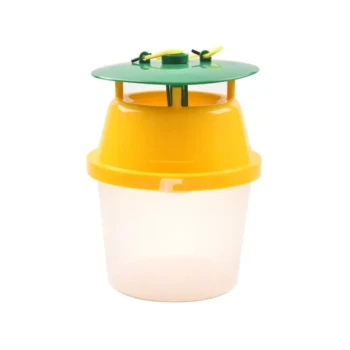
- Plastic Beetle Blaster Trap Beekeeping Tools and Supplies
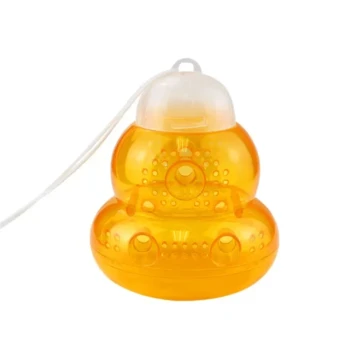
- Gourd Shaped Hanging Wasp Trap Professional Wasp Catcher
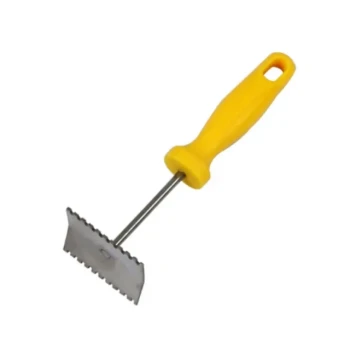
- Heavy-Duty Ergonomic Grip Galvanized Pollen Shovel
People Also Ask
- How are screen bottom boards and sticky boards utilized to detect Varroa mites? Master Passive Apiary Monitoring
- What is the primary function of a screen bottom board? Achieve Accurate Varroa Mite Assessment in Your Apiary
- Why is the combination of a screen bottom board and a sticky trap board essential for monitoring Varroa mite? Guide
- What is the primary function of a standard screen bottom board when assessing honeybee grooming behavior? - Key Mite Data
- What role do screen bottom boards and monitoring inserts play in assessing Varroa mite mortality and maintaining hive hygiene in Langstroth hives?