The Kenyan Top Bar Hive (KTBH) is the preferred choice for beginner beekeepers in specific regions due to its significantly lower acquisition cost, manufacturing simplicity, and superior ability to attract wild bee swarms. Unlike the vertical Langstroth system, the KTBH’s horizontal design mimics a natural bee nest, leading to a colonization rate of approximately 51%—far outperforming more complex, capital-intensive alternatives.
For distributors and wholesalers, the Kenyan Top Bar Hive represents the ideal entry-point product for emerging markets. It balances low financial barriers with high biological success rates, making it a high-demand staple for regional beekeeping development projects.
Lowering the Barrier to Entry
Minimal Capital Requirements
The KTBH is specifically designed for beekeepers with limited initial capital but access to labor. It eliminates the need for expensive centrifugal honey extractors, as honeycombs are simply harvested by cutting them from the bars.
Simplified Manufacturing and Sourcing
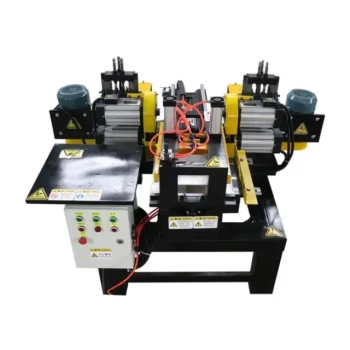
The hive's structure allows for production using basic woodworking machinery. This simplicity ensures a reliable supply chain and allows distributors to offer a robust product that is easy to maintain and repair.
Efficient Inventory Management
For B2B resellers, stocking KTBH components is more straightforward than Langstroth systems. The lack of complex internal frames and wire foundations reduces the number of SKUs required to support a beginner's setup.
Biological and Regional Advantages
Superior Colonization Rates
Research indicates that the horizontal orientation of the KTBH more closely resembles natural nesting cavities. This results in a 51% colonization rate, which is essential for beginners who rely on attracting wild swarms rather than purchasing expensive starter colonies.
Optimized for Hot Climates
The KTBH is particularly effective for temperature regulation in regions like the Sudan-Sahel. Its internal structure maintains stable temperatures, which reduces colony stress and promotes higher wax and honey yields in high-heat environments.
Non-Destructive Management
The use of movable top bars allows for frequent, non-destructive inspections. This modularity enables beginners to monitor hive health and control swarming without the risk of destroying the internal colony structure.
Safety and Accessibility
Ground-Level Operation
Unlike traditional log hives that are often placed high in trees, the KTBH is managed at waist height. This significantly reduces personal safety risks and makes beekeeping accessible to all age groups and genders.
Reduced Infestation Risks
The standardized internal space and ease of inspection help beginners identify and manage pests early. In specific environments, this design has been shown to potentially lower wax moth infestation rates.
High-Purity Byproducts
The KTBH encourages the production of high-purity beeswax as a valuable secondary product. Because the entire comb is often harvested, the wax is "fresh," providing an additional revenue stream for the end-user and a diversified product line for the reseller.
Understanding the Trade-offs
Scalability vs. Simplicity
While the KTBH is excellent for entry-level beekeeping, it is generally less efficient for large-scale, high-volume honey production compared to the Langstroth system. The lack of reusable frames means bees must spend more energy rebuilding comb after every harvest.
Transport Challenges
The "crush and strain" method used for KTBH honey harvesting is labor-intensive and can lead to lower liquid honey yields per hive. Additionally, the top-bar combs are more fragile than framed combs, making the hives more difficult to move once established.
How to Apply This to Your Portfolio
Recommendations for B2B Resellers
- If your primary focus is Regional Development Projects: Prioritize the KTBH as the foundational hardware to maximize beginner success rates and minimize project startup costs.
- If your primary focus is Commercial Scalability: Offer the KTBH as a "starter kit" while maintaining a secondary inventory of Langstroth systems for customers looking to transition to industrial-scale honey production.
- If your primary focus is High-Quality Byproducts: Market the KTBH specifically to those interested in the beeswax trade, as its design naturally favors high-purity wax collection.
By aligning your inventory with the biological and economic realities of your region, you position yourself as a strategic partner in the growth of the local beekeeping industry.
Summary Table:
| Feature | Kenyan Top Bar Hive (KTBH) | Benefit for Distributors & Beginners |
|---|---|---|
| Acquisition Cost | Significantly lower; no frames/extractors needed | Lower capital barrier; ideal for development projects |
| Colonization Rate | ~51% (mimics natural nesting cavities) | Higher success in attracting wild bee swarms |
| Inventory Management | Simplified structure with fewer SKUs | Reduced storage costs and streamlined supply chains |
| Climate Adaptability | Excellent temperature regulation | Optimized for high-heat regions like the Sudan-Sahel |
| Product Output | High-purity fresh beeswax and honey | Diversified revenue streams for B2B resellers |
Partner with HONESTBEE to Scale Your Beekeeping Distribution
Looking to capture the growing demand for beginner-friendly beekeeping solutions? HONESTBEE is your premier one-stop sourcing partner for commercial apiaries and B2B resellers. We offer a comprehensive wholesale portfolio, from specialized hive-making and honey-filling machinery to essential industry consumables and cultural merchandise.
Why choose HONESTBEE?
- Global Supply Reliability: Rapid response times and ultra-fast delivery to keep your inventory moving.
- Deep Industry Expertise: Professional guidance on product selection for regional market success.
- Comprehensive Portfolio: Full-spectrum tools and equipment tailored for both KTBH and Langstroth systems.
- Wholesale Support: High profit margins and dedicated customer service for distributors.
Ready to elevate your beekeeping business with a reliable trading partner? Contact us today to discuss your wholesale needs!
References
- Ehouman J B Ohoueu, Dembélé Ardjouma. Impact De L’utilisation Des Produits Phytosanitaires En Production Cotonniere Et Cacaoyere Sur La Production Apicole En Côte D’ivoire. DOI: 10.19044/esj.2017.v13n9p42
This article is also based on technical information from HonestBee Knowledge Base .
Related Products
- Top Bar Beehive for Beekeeping Wholesales Kenya Top Bar Hive
- Long Langstroth Style Horizontal Top Bar Hive for Wholesale
- HONESTBEE Top Bar & Bottom Bar Forming Machine | Bee Frame Machine
- HONESTBEE Round Hive Top Bee Feeder for Syrup
- HONESTBEE Square Top Hive Bee Feeder Top Bee Feeder
People Also Ask
- How is burr comb and propolis removed from a top bar hive? A Practical Guide for Hive Maintenance
- How does comb construction differ between a top bar hive and a Langstroth hive? Choose the Best Method for Your Apiary
- Why do top bar hives require beekeepers to detach comb? Master the Detach-then-Lift Technique for Comb Safety
- How does the design of a top bar hive minimize disturbance to the bees during inspection? Achieve a Calmer, More Natural Approach
- What are the main differences between a top bar hive and a Langstroth hive? A Guide to Choosing Your Hive