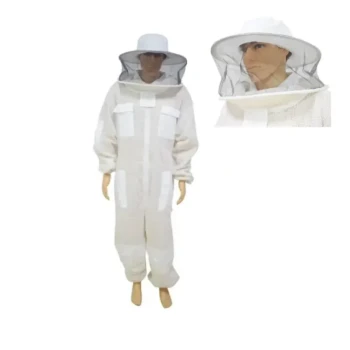
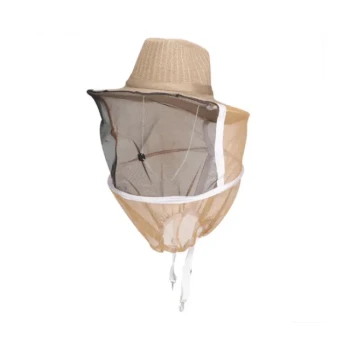
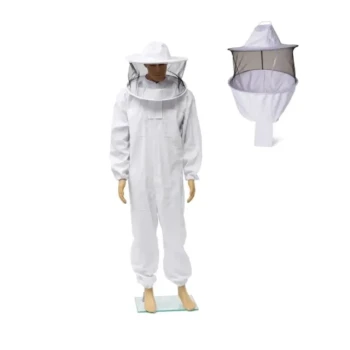
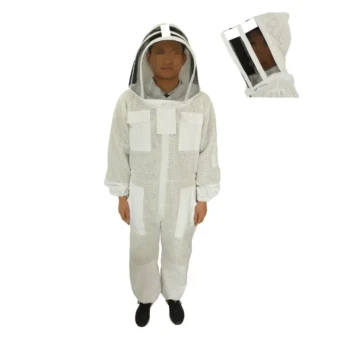
Full protective clothing acts as a critical interface between the beekeeper and the hive, providing a necessary physical barrier against defensive stings. By ensuring the operator is safe from injury, this equipment reduces physiological stress, enabling steady, controlled movements that are vital for successful colony management.
Core Takeaway: While the immediate purpose of protective gear is preventing injury, its deeper value lies in stabilizing the operator's behavior. By neutralizing the fear of stings, the equipment allows for precise, calm handling that minimizes bee agitation and prevents accidental harm to the colony.
The Link Between Safety and Stability
Physical Protection and Confidence
The most explicit function of veils, suits, and gloves is to create a robust physical barrier. This protection is not merely a convenience; in regions with aggressive species like Africanized honey bees, it is a prerequisite for viable operations.
Without this barrier, the risk of stings would make frequent, routine management unsafe or impossible.
Reducing Physiological Stress
Fear and anxiety are detrimental to hive inspection. Protective clothing drastically reduces the operator's physiological stress.
When a beekeeper feels vulnerable, their heart rate increases and movements become reactive. Full protection allows the operator to remain calm, transforming a potentially chaotic interaction into a controlled procedure.
Enhancing Precision and Bee Welfare
Facilitating Gentle Handling
Hive components are delicate, and proper inspection requires steady movements. Because the clothing removes the distraction of potential pain, personnel can focus entirely on the mechanics of the inspection.
This steadiness is crucial for manipulating frames without crushing bees or damaging the comb structure.
Minimizing Colony Agitation
Bees react defensively to erratic, jerky motions. A calm operator, protected by high-specification gear, induces less stress in the colony.
By maintaining composure, the beekeeper avoids triggering a defensive feedback loop. This results in lower bee mortality and reduced colony stress during and after the intervention.
Biosecurity and Pathogen Control
The Bio-Physical Barrier
Beyond sting prevention, protective gear plays a vital role in biosecurity protocols.
Suits and veils act as barriers against biological contaminants. Using disposable suits or properly managing professional gear prevents the cross-contamination of threats like Varroa mites or other pathogens between different apiaries.
Understanding the Trade-offs
The Dexterity Compromise
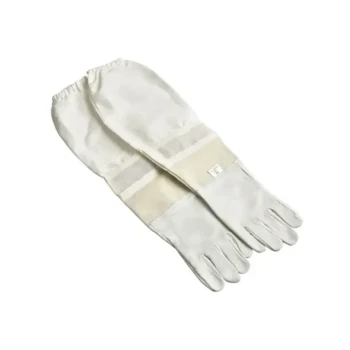
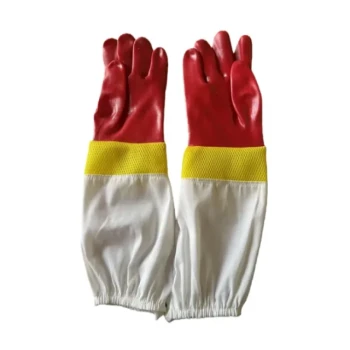
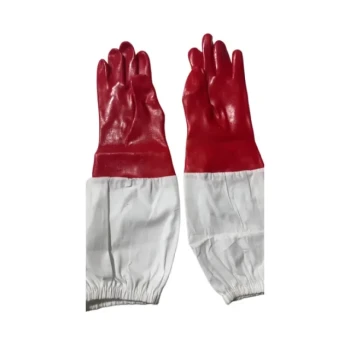
While gloves are essential for safeguarding hands, they introduce a trade-off regarding tactile sensitivity.
Thick gloves provide a tough barrier against stings but can limit dexterity. This reduction in touch feedback can occasionally lead to clumsy handling, where a beekeeper might inadvertently harm bees despite being protected themselves.
Operational Heat Management
Full-body protection offers maximum safety but creates a sealed environment for the operator.
In hot climates, this can lead to operator fatigue or heat stress. Beekeepers must balance the need for an impenetrable barrier with the need for breathable materials to maintain the physical stamina required for long inspections.
Making the Right Choice for Your Goal
- If your primary focus is Personnel Safety: Prioritize professional-grade, full-body suits and thick gloves to create an impenetrable barrier, especially when managing aggressive colonies.
- If your primary focus is Colony Welfare: Ensure your gear allows enough comfort to maintain calm, steady movements, preventing the erratic behavior that agitates bees.
- If your primary focus is Biosecurity: Utilize disposable protective suits or strictly separate gear between sites to prevent the transfer of mites and diseases.
True proficiency in beekeeping begins when personal safety is guaranteed, allowing the focus to shift entirely to the health of the hive.
Summary Table:
| Feature | Primary Benefit | Impact on Management |
|---|---|---|
| Full Suit / Veil | Physical Barrier | Neutralizes sting fear; enables calm, steady movements. |
| Gloves | Hand Protection | Essential for aggressive species; requires balance with dexterity. |
| Breathable Fabric | Heat Management | Reduces operator fatigue during long commercial inspections. |
| Bio-Physical Barrier | Pathogen Control | Prevents cross-contamination of Varroa mites between apiaries. |
Scale Your Apiary Operations with HONESTBEE
At HONESTBEE, we understand that professional beekeeping requires the perfect balance of personnel safety and operational efficiency. We cater specifically to commercial apiaries and distributors, providing a comprehensive wholesale range of high-specification protective gear, hive-making machinery, and honey-filling equipment.
Our portfolio is designed to enhance your team's confidence and productivity while safeguarding your colony's health. Whether you need specialized hardware or essential industry consumables, we deliver the tools that drive success.
Ready to elevate your wholesale supply chain? Contact us today to explore our full spectrum of beekeeping solutions!
References
- Emily Elsner‐Adams. How to become a beekeeper: learning and skill in managing honeybees. DOI: 10.1177/1474474016682345
This article is also based on technical information from HonestBee Knowledge Base .
Related Products
- White Cotton Beekeeping Jacket and Veil for Bee Keepers
- Professional Beekeeping Suit for Kids and Girls Childrens Bee Keeper Suit
- Beekeeping Jacket with Hood and Veil for Beekeepers
- Premium Three Layer Ventilated Bee Suit with Round Veil
- Premium Cotton Beekeeper Suit with Reinforced Fencing Veil
People Also Ask
- What are the features of an economical beekeeping jacket? Essential Protection for Budget-Conscious Beekeepers
- What are the pros of using a beekeeping jacket? Unlock Superior Comfort and Mobility for Your Apiary
- What factors should a new beekeeper consider when choosing between a jacket and a full suit? Security vs. Comfort
- What are the advantages of a beekeeping jacket? Superior Mobility & Comfort for Routine Hive Inspections
- When is a beekeeping jacket considered a more suitable choice than a full suit? Optimize Your Apiary Mobility