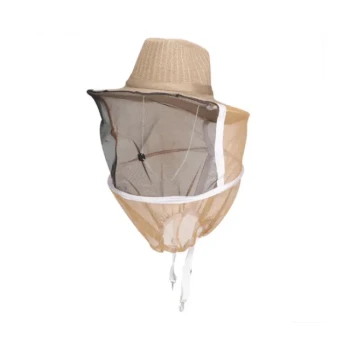
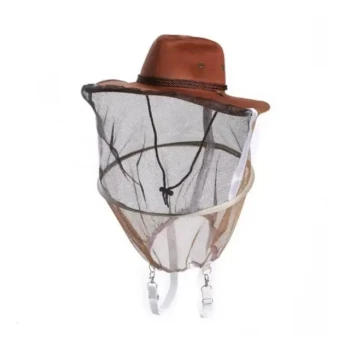
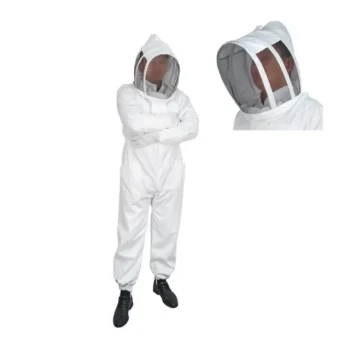
Modern beekeeping protective gear is the fundamental enabler of professional, daytime apiary management. It provides a critical physical defense against stings and utilizes consumables like smoker fuel to physiologically calm colonies, allowing operators to harvest honey safely and efficiently without the limitations of traditional methods.
By mitigating physical risks and psychological fear, modern protective equipment transforms honey harvesting from a dangerous, restricted activity into a scalable, accessible, and humane profession.
The Operational Shift: From Survival to Management
Enabling Daytime Operations
Traditionally, harvesting honey from aggressive colonies was often restricted to nighttime hours. This was a defensive strategy to mitigate the lack of protection, but it severely limited visibility and precision.
Modern gear breaks this constraint. With full protective suits and veils, operators can work during the day, ensuring better visibility for inspections and higher quality control during the harvest.
Managing Aggressive Species
Specific bee species, such as the African honeybee (Apis mellifera), exhibit aggressive defensive behaviors that make unprotected handling nearly impossible.
Specialized gear is not optional for these species; it is a mandatory requirement. It allows beekeepers to manage highly productive but defensive genetic lines without risking severe injury.
Lowering the Barrier to Entry
Fear of stings is the primary deterrent for potential apiarists. By virtually eliminating the risk of bee attacks, protective gear removes this psychological barrier.
This security encourages wider community participation and allows new entrants to focus on learning technique rather than worrying about physical safety.
The Mechanics of Protection and Control
The Physical Barrier
The primary function of suits, veils, and gloves is to create an impenetrable seal between the operator and the colony.
This protection is vital during high-frequency tasks, such as moving hives or replenishing sugar water. It ensures that maintenance can proceed uninterrupted, even when dealing with tens of thousands of agitated bees.
The Role of the Smoker
The smoker is a critical tool that works by interfering with the bees' communication and survival instincts.
It uses "cool," low-temperature smoke to mask alarm pheromones (odor interference) and triggers a natural feeding instinct. This distraction diverts the bees' attention away from defense, significantly reducing colony aggression.
Enhancing Hygiene and Vitality
Using proper gear and smokers does not just protect the human; it protects the bees.
A controlled, calm harvest reduces stress on the colony and minimizes the number of bees crushed or killed in panic. This preserves the colony's vitality and ensures higher hygiene levels during the extraction process.
Common Pitfalls to Avoid
Misunderstanding the Smoker
A common error is assuming any smoke will suffice. The reference specifically emphasizes cool, low-temperature smoke.
Using hot smoke can singe the bees' wings or overheat the hive, causing permanent damage to the colony rather than calming it. The goal is gentle persuasion, not aggressive force.
Over-Reliance on Gear
While protective gear allows for safety, it should not encourage reckless behavior.
Gear provides a safety net, but it does not replace the need for gentle, deliberate movements. Rough handling will still agitate the hive, reducing productivity even if the beekeeper is not stung.
Making the Right Choice for Your Goal
To maximize the potential of your apiary, align your equipment use with your specific operational objectives.
- If your primary focus is Commercial Scalability: Prioritize gear that allows for rapid, daytime movement and inspection to maximize labor productivity and data monitoring.
- If your primary focus is Colony Health: Master the use of the smoker to produce cool smoke, ensuring the harvesting process causes minimal stress and maintains high hygiene standards.
- If your primary focus is Training New Staff: Invest in comprehensive full-body suits to eliminate fear, allowing trainees to focus entirely on learning correct handling techniques.
Modern protective gear is not merely an accessory; it is the essential interface that allows humans and bees to cooperate safely.
Summary Table:
| Component | Primary Function | Operational Benefit |
|---|---|---|
| Full Body Suits & Veils | Physical barrier against stings | Enables daytime management and work with aggressive species. |
| Bee Smoker | Masks alarm pheromones | Calms the colony and reduces bee stress during harvesting. |
| Gloves & Seals | Prevents entrance points | Enhances beekeeper confidence and precision during handling. |
| Cool Smoke Consumables | Triggers feeding instinct | Prevents wing damage while maintaining high hygiene standards. |
Elevate Your Apiary Safety with HONESTBEE
At HONESTBEE, we understand that professional beekeeping requires the perfect balance of protection and productivity. We provide commercial apiaries and distributors with a comprehensive range of premium beekeeping tools, specialized machinery, and essential consumables designed for scale and durability.
From advanced hive-making and honey-filling machines to professional-grade protective gear, our portfolio covers the full spectrum of industry needs. Whether you are expanding a commercial operation or supplying the next generation of apiarists, our wholesale solutions are built to enhance your efficiency and safety.
Ready to upgrade your equipment? Contact us today to explore our wholesale catalog and see how HONESTBEE can support your business growth.
References
- Raphael Mwiti Gikunda, Samantha Anyuor. Cultural barriers towards women and youth entry to apiculture production in Maara Sub-County, Kenya. DOI: 10.37433/aad.v2i2.113
This article is also based on technical information from HonestBee Knowledge Base .
Related Products
- Stainless Steel Honey Bee Smoker Hive and Honeycomb Smoker for Beekeeping
- Beekeeper Cowboy Hat and Veil for Beekeeping
- Professional Bee Smoker with Elongated Spout and Durable Bellows for Beekeeping
- Premium Cowboy Beekeeper Hat with Visibility Veil Outdoor Professional Beekeeping Protective Gear
- Galvanized Beekeeping Smoker for Honey Bee and Apiculture
People Also Ask
- What are bee smokers made out of? Choose the Right Material for Your Apiary
- What type of bee smoker is recommended for a beginner? Top Picks for Easy Hive Management
- Why is a stainless steel bee smoker considered indispensable? Master Hive Management with Cool Smoke Technology
- When should you add more fuel to the bee smoker? Watch for This Critical Smoke Signal
- What is the best material for a bee smoker? Choose the Right Fuel for a Calm Hive