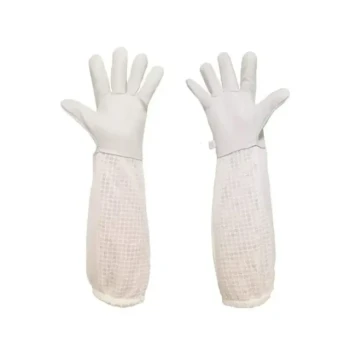
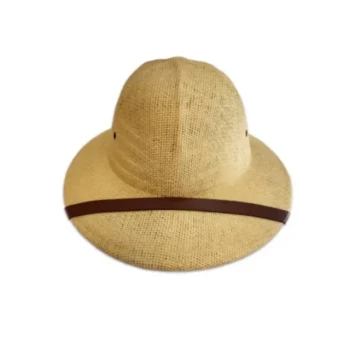
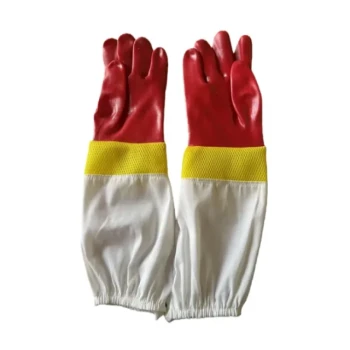
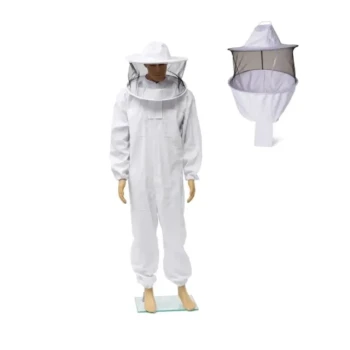
Professional body protection serves as the fundamental physical barrier required to safely manage defensive bee varieties. It ensures the immediate life safety of beekeeping staff by blocking stings, while simultaneously allowing for the continuity of essential operations such as hive inspections, cleaning, and harvesting.
Managing defensive honey bee varieties changes the operational baseline from simple husbandry to hazard management. Professional protective equipment is not merely an accessory; it is the infrastructure that allows high-risk apiaries to function with the same precision and schedule as standard apiaries.
The Critical Role of Physical Barriers
Ensuring Life Safety
The primary function of professional gear is to establish a vital physical barrier. When dealing with highly defensive species, such as Apis mellifera scutellata, the volume and intensity of stings can quickly escalate from a nuisance to a life-threatening situation.
Facilitating High-Frequency Contact
Apiaries require consistent maintenance. Tasks like hive inspections and colony splitting require staff to be in close proximity to the colony. Without reinforced suits and veils, these necessary interventions would be too dangerous to perform regularly, leading to colony mismanagement.
Operational Efficiency and Workflow
Enabling Daylight Operations
Without professional protection, beekeepers managing aggressive varieties are often forced to harvest at night to minimize bee activity, a practice that is inherently dangerous and inefficient. High-quality gear allows for precise maintenance and harvesting during daylight hours, significantly increasing operational throughput.
Maintaining Precision and Composure
Fear is a major variable in beekeeping mechanics. Professional equipment allows operators to overcome the fear of being stung. When the operator is calm, they handle the hive with precision and composure, utilizing tools like bee brushes gently rather than rushing.
Protecting Colony Density
This composure directly benefits the bees. Panicked movements by unprotected beekeepers often result in crushed bees or damaged queens. By ensuring the operator is safe, the overall population density of high-yielding colonies is preserved, and stress responses within the hive are minimized.
Psychological and Educational Implications
Broadening Participation
Defensive bee varieties often deter new entrants to the field. Professional PPE (Personal Protective Equipment) creates a safe environment that encourages broader participation in daily management. It makes the profession accessible to diverse groups who might otherwise be excluded by safety concerns.
Standardizing Agritourism
For apiaries involved in education or agritourism, safety is non-negotiable. Professional-grade suits with specialized weaving structures provide the assurance needed to transform dangerous, close-range observation into standardized educational programs.
Understanding the Trade-offs
The Dexterity Compromise
While thick, sting-resistant gloves provide maximum safety, they reduce tactile sensitivity. This loss of manual dexterity can make it difficult to handle delicate frames or queen cells without accidental damage. Operators must balance protection levels with the fineness of the task at hand.
Thermal Management
Professional suits are designed with breathable materials, but they still retain heat. In hot and humid environments, the risk of heat exhaustion increases. Beekeepers must manage work shifts carefully to prevent physical fatigue, which can be just as dangerous as a sting.
The Limits of Armor
A suit is a passive defense, not a complete solution. It creates a false sense of security if not paired with active suppression tools. Professional gear must always be used in conjunction with high-efficiency smokers to disrupt alarm pheromones; armor alone cannot quiet an agitated colony.
Making the Right Choice for Your Goal
To select the correct equipment strategy for your apiary, consider your primary operational objective:
- If your primary focus is Staff Safety: Prioritize reinforced, full-body suits to create an impenetrable barrier against the intense aggression of defensive species like Apis mellifera scutellata.
- If your primary focus is Operational Efficiency: Utilize breathable, professional-grade gear to enable daylight harvesting, eliminating the risks and inefficiencies of night operations.
- If your primary focus is Education: Invest in suits with specialized weaving structures to ensure absolute safety, allowing novices to observe close-range behaviors without fear.
True operational control is achieved when the equipment removes the physical risk, allowing the beekeeper to focus entirely on the biology of the hive.
Summary Table:
| Key Benefit | Description | Operational Impact |
|---|---|---|
| Life Safety | Vital physical barrier against high-volume stings | Blocks stings from aggressive varieties like A. m. scutellata |
| Daylight Operations | Allows for maintenance during peak bee activity | Increases throughput and eliminates dangerous night harvesting |
| Precision & Calm | Reduces operator fear and panicked movements | Minimizes colony stress and prevents damage to queens/frames |
| Workforce Inclusion | Provides a safe environment for all skill levels | Broadens participation and enables standardized agritourism |
| Integrated Defense | Combines passive armor with active suppression | Optimizes use of smokers and specialized beekeeping machinery |
Elevate Your Apiary Safety and Productivity with HONESTBEE
Managing defensive bee varieties requires more than just standard gear—it demands industrial-grade protection and specialized tools. HONESTBEE serves commercial apiaries and distributors with a comprehensive wholesale portfolio designed for high-risk environments. From sting-resistant professional suits and breathable PPE to advanced hive-making and honey-filling machinery, we provide the full spectrum of equipment needed to scale your operations safely.
Why partner with HONESTBEE?
- Wholesale Excellence: Full access to professional-grade hardware and essential consumables.
- Operational Efficiency: Our tools allow your team to work with precision and composure, even in challenging conditions.
- Diverse Portfolio: From specialized beekeeping machinery to honey-themed cultural merchandise, we support every aspect of your business.
Don't let safety concerns limit your growth. Contact us today to discover how our professional solutions can protect your staff and maximize your colony yields.
References
- Félix Meutchieye, Joseph Tchoumboué. Beekeeping features in the Cameroon Adamawa grasslands. DOI: 10.46325/gabj.v2i2.118
This article is also based on technical information from HonestBee Knowledge Base .
Related Products
- Premium Cowboy Beekeeper Hat with Visibility Veil Outdoor Professional Beekeeping Protective Gear
- Professional Square Folding Wire Mesh Beekeeping Veil
- Premium Cotton Beekeeper Suit with Reinforced Fencing Veil
- Beekeeping Jacket with Hood and Veil for Beekeepers
- White Cotton Beekeeping Jacket and Veil for Bee Keepers
People Also Ask
- What design features contribute to the stability and fit of the beekeeper hat? Key Features for Maximum Hive Safety
- How is the beekeeper hat designed for comfort and practicality? Explore Key Features for Enhanced Apiary Safety
- What is the general protective gear recommendation for new beekeepers? Your Essential Beginner's Safety Guide
- How does beekeeping protective gear facilitate the queen bee selection process? Enhancing Precision in Queen Breeding
- What should beekeepers consider when choosing protective gear? A Guide for Maximum Safety & Comfort