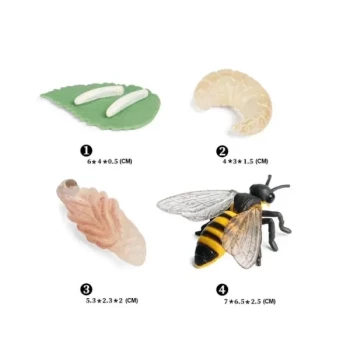
The Western Honeybee (Apis mellifera) dominates commercial agriculture largely due to its status as a "super-generalist" pollinator. This species possesses the unique biological capability to monopolize vast amounts of pollen and nectar resources across an extremely diverse range of plant species. Combined with high population densities and frequent visitation rates, these traits ensure the stable honey yields and efficient crop pollination required for industrial-scale operations.
The Western Honeybee is not just a biological organism in this context; it is a scalable agricultural tool. Its dominance stems from a unique synergy between its "super-generalist" foraging behavior and its adaptability to standardized, mechanized management systems.
The Biological Advantage: The Super-Generalist
To understand the preference for Apis mellifera, one must look at its foraging behavior.
Unmatched Resource Monopolization
The Western Honeybee is categorized as a super-generalist. Unlike specialized pollinators that rely on specific plants, this species can aggressively harvest resources from a wide variety of flora.
High-Density Foraging
These bees visit plants with exceptional frequency and maintain high population densities. This allows them to effectively "monopolize" a managed area, ensuring that crops receive the intense coverage necessary for maximum pollination rates.
Versatility Across Crops
Because they are not picky eaters, they can be deployed across diverse agricultural landscapes. Whether the crop is almonds, apples, or canola, the Western Honeybee adapts quickly to the available pollen and nectar sources.
The Logistical Advantage: Standardization
Beyond biology, the Western Honeybee is preferred because it fits perfectly into human industrial workflows.
Designed for Mass Production
The industry relies on standard bee boxes, typically measuring 50x40x25 cm. These dimensions are specifically designed to accommodate the large colony sizes typical of Apis mellifera while providing ample room for significant honey storage.
Enabling Mechanization
This standardization turns the hive into a modular unit. It facilitates the use of mechanized collection tools and streamlines transport, allowing beekeepers to move thousands of hives across continents to chase bloom seasons.
Unified Monitoring
Large-scale operations benefit from consistent hive structures when monitoring hive health. Standard boxes make it easier to implement unified protocols for detecting pesticide contamination or disease across thousands of colonies simultaneously.
Understanding the Trade-offs
While the Western Honeybee is a commercial powerhouse, its dominance comes with ecological costs that responsible managers must recognize.
Competition with Native Species
The very trait that makes Apis mellifera effective—resource monopolization—can be detrimental to local ecosystems. Their aggressive harvesting can strip resources, creating intense competition for wild, native pollinators.
Management Requirements
Because they are deployed in such high densities, these bees require active management. Operators must carefully balance hive placement to mitigate negative impacts on local biodiversity while maintaining crop yields.
Making the Right Choice for Your Goals
The decision to utilize Western Honeybees is a balance between industrial efficiency and ecological impact.
- If your primary focus is maximum yield: Leverage the Apis mellifera super-generalist trait and standard box dimensions (50x40x25 cm) to maximize honey storage and pollination consistency.
- If your primary focus is ecological stewardship: Monitor your apiary's impact on local flora to ensure your commercial hives are not out-competing vulnerable wild pollinator populations.
Ultimately, the Western Honeybee is the industry standard because it bridges the gap between biological adaptability and industrial scalability.
Summary Table:
| Key Factor | Feature of Western Honeybee (Apis mellifera) | Commercial Benefit |
|---|---|---|
| Foraging Style | Super-generalist behavior | Consistent pollination across diverse crop types |
| Population | High density and visitation rates | Maximized honey yields and crop saturation |
| Logistics | Fits standard 50x40x25 cm hive boxes | Facilitates mechanization and mass transport |
| Management | Modular hive structures | Streamlined health monitoring and harvesting |
Elevate Your Commercial Beekeeping Operation with HONESTBEE
At HONESTBEE, we understand the demands of industrial-scale pollination and honey production. We provide commercial apiaries and distributors with the high-performance tools and machinery necessary to manage the Western Honeybee efficiently.
Our comprehensive wholesale offering includes:
- Advanced Machinery: Precise hive-making and automated honey-filling machines to scale your output.
- Specialized Hardware: Standardized beekeeping tools and equipment designed for durability and ease of use.
- Industry Consumables: A wide array of essential supplies and honey-themed cultural merchandise for your brand.
Ready to optimize your yield and streamline your workflow? Contact us today to see how our portfolio of specialized equipment can grow your business!
References
- Alfredo Valido, Pedro Jordano. Honeybees disrupt the structure and functionality of plant-pollinator networks. DOI: 10.1038/s41598-019-41271-5
This article is also based on technical information from HonestBee Knowledge Base .
Related Products
- HONESTBEE AC Powered Wire Embedder with Alligator Clips
- Assembled Wooden Bee Frames with Beeswax Foundation Ready to Use by HONESTBEE
- HONESTBEE Anatomy Bee Model Detailed Anatomical Display for Education and Study
- Galvanized Beekeeping Smoker for Honey Bee and Apiculture
- Honey Bee Lifecycle Model: A Detailed Honeycomb Display of Bee Development
People Also Ask
- How can combs be further strengthened? Embed Wires for Durable, High-Yield Hives
- What is an embedder in beekeeping? Essential Tool for Strengthening Wax Foundation & Hive Frames
- Why must strict sanitary and health prevention protocols be implemented for honeybee transport? Maximize Colony Survival
- What are the primary indicators of healthy honeybee colonies? Optimize Your Commercial Apiary for Peak Productivity
- Why must honeybee samples be stored in high-concentration ethanol and low temperatures? Ensure Genetic & Physical Integrity