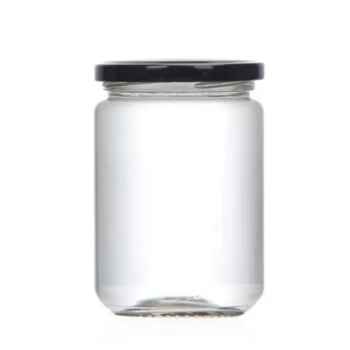
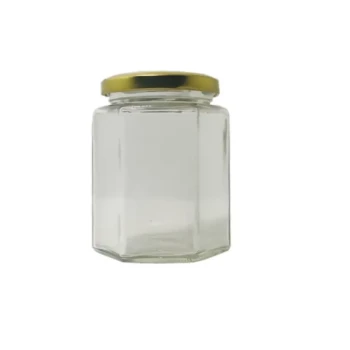
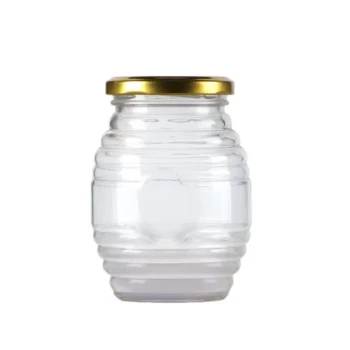
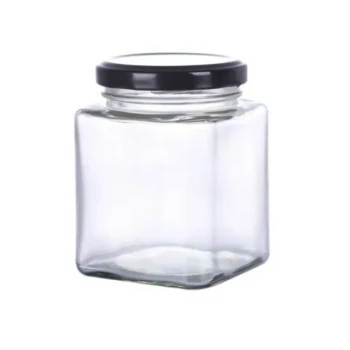
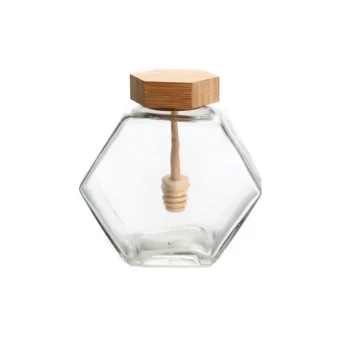
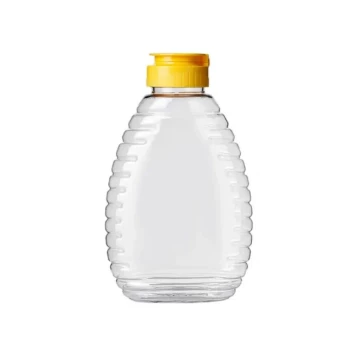
Preserving the sample's original chemical and biological state is the critical objective. Transferring honey to amber glass bottles with rubber or Teflon gaskets immediately after collection is necessary to prevent photodegradation and moisture fluctuation, ensuring the sample remains chemically stable during transport and refrigeration.
Core Takeaway Honey is a chemically complex, hygroscopic, and photosensitive substance that degrades rapidly under improper conditions. The combination of amber glass and high-quality gaskets creates a stable environment that preserves light-sensitive antimicrobials and prevents the absorption of environmental moisture, guaranteeing that laboratory results accurately reflect the honey's field condition.
The Critical Role of Light Protection
Blocking Photodegradation
Honey contains specific antimicrobial components that are highly sensitive to light exposure. Standard clear glass or plastic allows UV and visible light to penetrate the sample, which can rapidly degrade these bioactive compounds.
Preserving Enzymatic Activity
Amber glass acts as an optical filter. By effectively blocking harmful wavelengths, it ensures that the antimicrobial properties and heat-sensitive enzymes (such as catalase and amylase) remain active and intact for analysis.
Maintaining Sensory Profile
Beyond biological activity, light exposure can trigger photochemical reactions that alter the honey's color and flavor. Shielding the sample ensures that sensory characteristic analysis reflects the honey's true state as it existed in the hive.
The Necessity of a Hermetic Seal
Combatting Hygroscopy
Honey is highly hygroscopic, meaning it naturally absorbs moisture from the surrounding air. Even a minor increase in water content can lead to fermentation or alter physical indices, rendering the sample useless for precise analytical testing.
The Function of Rubber and Teflon Gaskets
Standard caps often fail to provide a true barrier against gas exchange. Rubber or Teflon gaskets are required because they provide superior sealing performance, creating a hermetic closure that prevents atmospheric moisture from infiltrating the bottle.
preventing Volatile Contamination
During transport and refrigeration, samples are often exposed to external odors and chemicals. A high-quality gasket barrier prevents volatile contamination from the external environment, protecting the purity of the sample's specific chemical composition.
Material Inertness and Stability
Resisting Acidic Corrosion
Honey is naturally acidic. Plastic containers or improper lids can react with these organic acids over time, potentially leaching packaging materials into the sample.
Ensuring Chemical Purity
Glass provides high chemical stability and is chemically inert. This property effectively prevents the migration of substances from the container into the honey, avoiding cross-contamination that could skew biochemical indicator testing or pollen analysis.
Understanding the Trade-offs
Fragility and Handling
While glass offers superior chemical protection, it introduces physical risks. Glass bottles are heavier and more prone to breakage than plastic, requiring careful handling and protective packaging during field transport to prevent sample loss.
Cost and Availability
High-quality amber glass with specialized Teflon or rubber gaskets represents a higher consumable cost compared to standard plastic sampling cups. However, this cost is a necessary investment to avoid the much higher cost of invalid data.
Ensuring Data Integrity in Analysis
To ensure your field collection yields valid laboratory data, select your equipment based on your analytical goals:
- If your primary focus is Antimicrobial or Enzymatic Analysis: You must prioritize amber glass to prevent the photo-deactivation of sensitive biological components.
- If your primary focus is Moisture Content or Quality Grading: You must prioritize the quality of the gasket (Teflon/Rubber) to prevent hygroscopic water absorption.
- If your primary focus is Trace Chemical Composition: You must prioritize the inertness of glass to prevent plasticizers or container chemicals from leaching into the acidic honey.
rigorous adherence to these sampling protocols transforms a raw field sample into a reliable scientific baseline.
Summary Table:
| Feature | Protection Mechanism | Analytical Benefit |
|---|---|---|
| Amber Glass | Blocks UV and visible light | Preserves enzymes and antimicrobial properties |
| Rubber/Teflon Gasket | Creates a hermetic seal | Prevents hygroscopic moisture gain and fermentation |
| Inert Material | Resists acidic corrosion | Prevents chemical leaching and sample contamination |
| Hermetic Closure | Gas exchange barrier | Protects volatile profiles and prevents external odors |
Elevate Your Honey Quality Standards with HONESTBEE
At HONESTBEE, we understand that the integrity of your honey is your most valuable asset. Whether you are a commercial apiary ensuring harvest purity or a distributor managing global quality standards, we provide the professional-grade tools you need.
Our comprehensive wholesale range includes:
- Precision Machinery: From honey-filling to hive-making machines.
- Beekeeping Essentials: High-quality tools, protective gear, and specialized consumables.
- Honey Culture: Unique merchandise to promote your brand’s story.
Ready to scale your beekeeping operations with industry-leading equipment? Contact HONESTBEE today to discover how our tailored solutions can optimize your production and preserve the excellence of your honey.
References
- Jason H. DeMera, Esther R. Angert. Comparison of the antimicrobial activity of honey produced by <i>Tetragonisca angustula</i> (Meliponinae) and <i>Apis mellifera</i> from different phytogeographic regions of Costa Rica. DOI: 10.1051/apido:2004033
This article is also based on technical information from HonestBee Knowledge Base .
Related Products
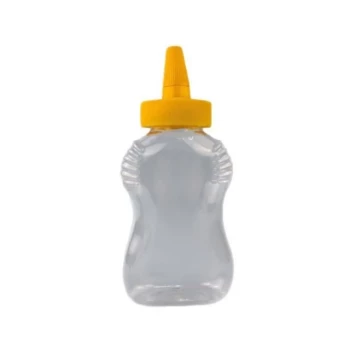
- Ergonomic Squeezable Honey Bottle with Precision Twist Nozzle Cap
- Classic Beehive Honey Bottle Jar with Squeeze Dispenser Lid
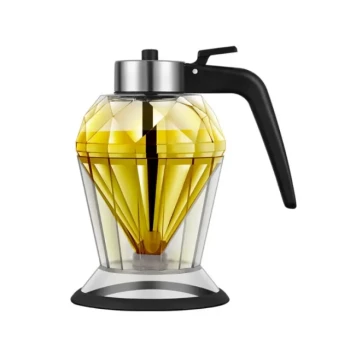
- Premium Diamond-Faceted Glass Honey Dispenser
- Premium PET Squeeze Honey Bottle with Ergonomic Grip and Rotary Dispenser
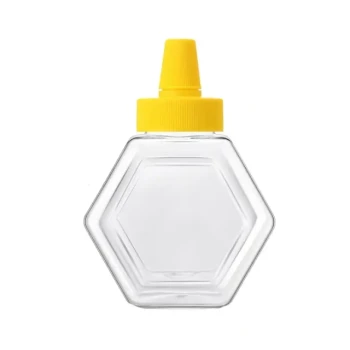
- Hexagonal Squeeze Honey Bottle with No Drip Lid
People Also Ask
- What are the benefits of squeeze bottles for honey packaging? Unlock Mess-Free Convenience & Control
- How should honey bottles be prepared before pouring honey into them? The #1 Rule for Honey Longevity
- What are the features of honey bottles? Design for Convenience & Long-Term Preservation
- What are the features and benefits of using honey bottles for packaging? Optimize Preservation and Consumer Experience
- How do honey bottles contribute to the preservation of honey products? Secure Quality and Commercial Value