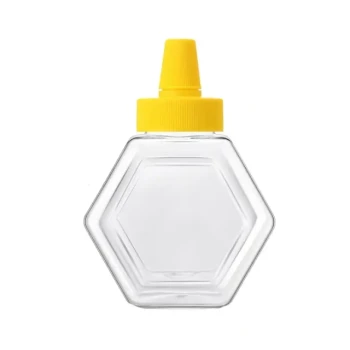
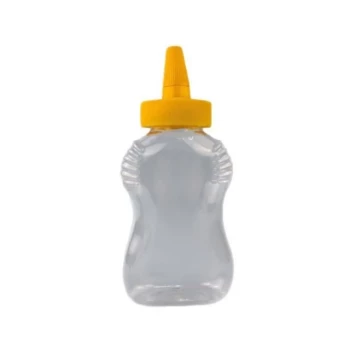
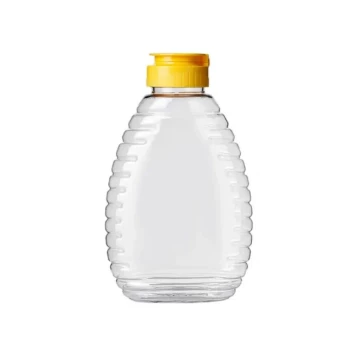
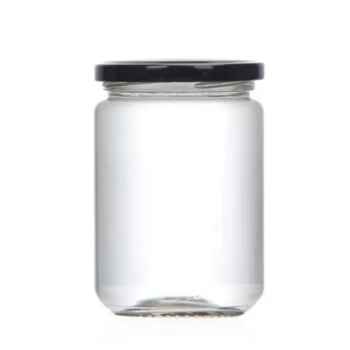
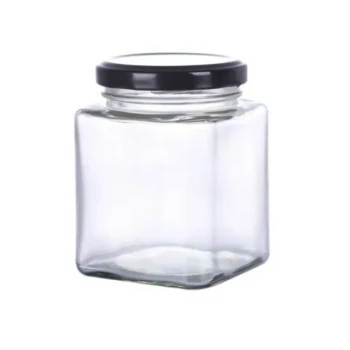
Honey bottles act as the decisive final barrier in the production chain, safeguarding the product's chemical integrity while enabling its transition from a raw agricultural good to a global commodity. By sealing the product against oxidation and moisture absorption, these containers ensure flavor stability and prevent spoilage, while simultaneously satisfying the rigorous logistical and regulatory demands of retail distribution.
The Core Insight While often viewed merely as packaging, the honey bottle is a functional preservation system that dictates commercial success. It converts a volatile, hygroscopic raw material into a stable, standardized trade unit capable of withstanding global supply chains without compromising quality or consumer trust.
Preserving Chemical Integrity and Quality
The Barrier Against Environmental Degradation
Honey is naturally hygroscopic, meaning it readily absorbs moisture from the air. The bottle provides a critical physical barrier that prevents this moisture absorption, which is the primary cause of spoilage and fermentation. Additionally, the container protects the honey from oxidation, ensuring that the unique flavor profile remains stable over time.
Preventing Contamination and Spoilage
The bottle serves as the final shield against external contaminants, such as dust or airborne impurities. By utilizing high-quality sealing technology, the packaging creates an airtight environment. This protection is essential for preventing abnormal crystallization or fermentation, preserving the honey's natural physicochemical properties.
Enhancing Shelf Life
Standardized bottling processes are designed to extend the usable life of the product. By isolating the honey from environmental stressors immediately after filtration and processing, the bottle "locks in" the quality. This allows the product to remain shelf-stable for extended periods, a requirement for off-season sales strategies.
Enabling Commercial Standardization
Facilitating Transparent Trade
Bottles transform honey into standardized volume units, such as liter bottles or local specific units like "Coro." This standardization simplifies the pricing process, increasing transparency between buyers and sellers. It removes the ambiguity of bulk trading, allowing for clear, consistent transactions.
Supporting Business Professionalization
The use of standardized containers supports the transition of beekeeping from a subsistence activity to a professional commercial enterprise. Consistent units allow producers to maintain accurate production records and financial accounts. This data is vital for tracking inventory and projecting revenue.
Meeting Logistics Requirements
To survive the commercial logistics network, honey must be packaged to meet strict regulatory and physical distribution standards. Bottles are designed to fit into global supply chains, ensuring the product can be transported and retailed without damage or leakage.
Enhancing Brand Value and Consumer Trust
Precision and Hygiene
Modern bottling utilizes automated filling machines with no-drip nozzles to ensure strict compliance with label specifications regarding net content. This high-precision approach minimizes raw material loss and ensures a clean, professional appearance. A clean bottle neck and airtight seal signal high hygiene standards to the consumer.
Differentiation and Traceability
Advanced packaging allows for brand differentiation through unique shapes, sizes, and aesthetic designs. Beyond aesthetics, the bottle and label system serve as a platform for anti-counterfeiting measures and traceability information. This data builds consumer trust by verifying the product's origin and authenticity.
Common Pitfalls to Avoid
Inadequate Sealing
The most critical failure point in honey bottling is a compromised seal. If the sealing technology is insufficient, air ingress will lead to rapid fermentation and spoilage, rendering the product unsellable. The seal is as important as the vessel itself.
Inconsistent Measurements
Failing to use standardized volume containers or precise filling equipment can lead to regulatory non-compliance and consumer distrust. Inaccurate net content measurements not only violate labeling laws but also disrupt the transparency required for professional trade relationships.
Making the Right Choice for Your Goal
When selecting a bottling strategy, your approach should align with your specific commercial objectives:
- If your primary focus is Product Stability: Prioritize containers with advanced sealing technology to prevent moisture absorption and oxidation, ensuring maximum shelf life.
- If your primary focus is Market Expansion: Adopt standardized volume units (like liters) to align with trade norms, simplifying pricing and logistics for retail partners.
- If your primary focus is Brand Positioning: Invest in high-precision filling and aesthetic differentiation to convey premium hygiene standards and ensure traceability.
The honey bottle is not just a package; it is the fundamental tool that secures your product's quality and validates its value in the marketplace.
Summary Table:
| Feature | Preservation Benefit | Commercial Advantage |
|---|---|---|
| Airtight Sealing | Prevents moisture absorption & fermentation | Extends shelf life for off-season sales |
| Standardized Volume | Maintains physicochemical stability | Simplifies pricing & transparent trade |
| Physical Barrier | Shields from oxidation & contaminants | Meets global logistics & retail standards |
| Professional Design | Protects flavor profile | Builds consumer trust & brand differentiation |
Elevate Your Beekeeping Business with HONESTBEE
At HONESTBEE, we understand that your honey's journey from the hive to the consumer requires precision and reliability. We cater to commercial apiaries and distributors by providing a comprehensive wholesale range of professional-grade beekeeping tools and machinery.
Whether you need automated honey-filling machines to ensure precise net weights, high-quality bottling solutions to preserve chemical integrity, or specialized hive-making equipment, our portfolio is designed to enhance your commercial viability. From essential industry consumables to honey-themed cultural merchandise, we provide the tools you need to professionalize your brand and scale your operations.
Ready to optimize your production and secure your product's value?
Contact HONESTBEE Today to explore our full spectrum of wholesale beekeeping equipment!
References
- Gede Suarta, I Gusti Agung Nyoman Dananjaya. Community income of honey bee cultivation in protected forest edge area. DOI: 10.21744/irjmis.v8n6.1938
This article is also based on technical information from HonestBee Knowledge Base .
Related Products
- Hexagonal Squeeze Honey Bottle with No Drip Lid
- Premium PET Squeeze Honey Bottle with Ergonomic Grip and Rotary Dispenser
- Ergonomic Squeezable Honey Bottle with Precision Twist Nozzle Cap
- Classic Beehive Honey Bottle Jar with Squeeze Dispenser Lid
- Inverted Squeezable Honey Jar with No Drip Flip Top Cap for Easy Pouring
People Also Ask
- What are the benefits of squeeze bottles for honey packaging? Unlock Mess-Free Convenience & Control
- What are the features of honey bottles? Design for Convenience & Long-Term Preservation
- How should honey bottles be prepared before pouring honey into them? The #1 Rule for Honey Longevity
- What are the features and benefits of using honey bottles for packaging? Optimize Preservation and Consumer Experience
- Why use high-quality honey jars? Protect Your Harvest with Superior Plastic & Glass Packaging Solutions