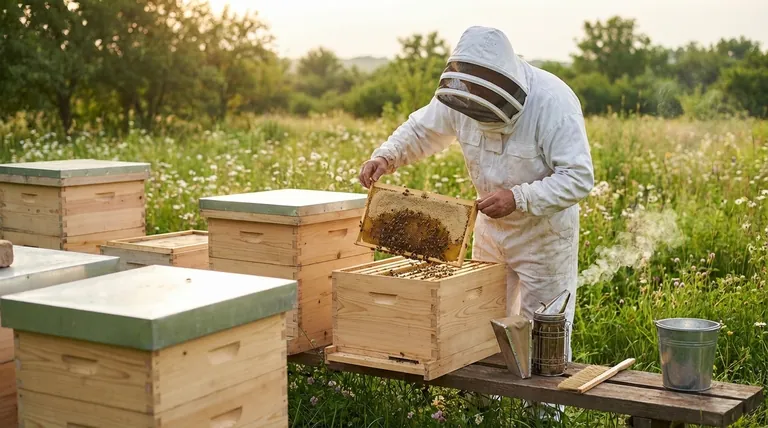
Modern beekeeping demands a delicate balance: extracting golden honey while ensuring your colony thrives. This guide reveals proven techniques to harvest efficiently without compromising hive health—methods trusted by commercial apiaries and endorsed by entomologists.
Harvesting Honey from a Langstroth Hive: Principles and Priorities
Prioritize colony welfare over speed. Research shows that rushed harvests trigger defensive behaviors, increase bee mortality, and reduce future productivity. Instead, adopt these core principles:
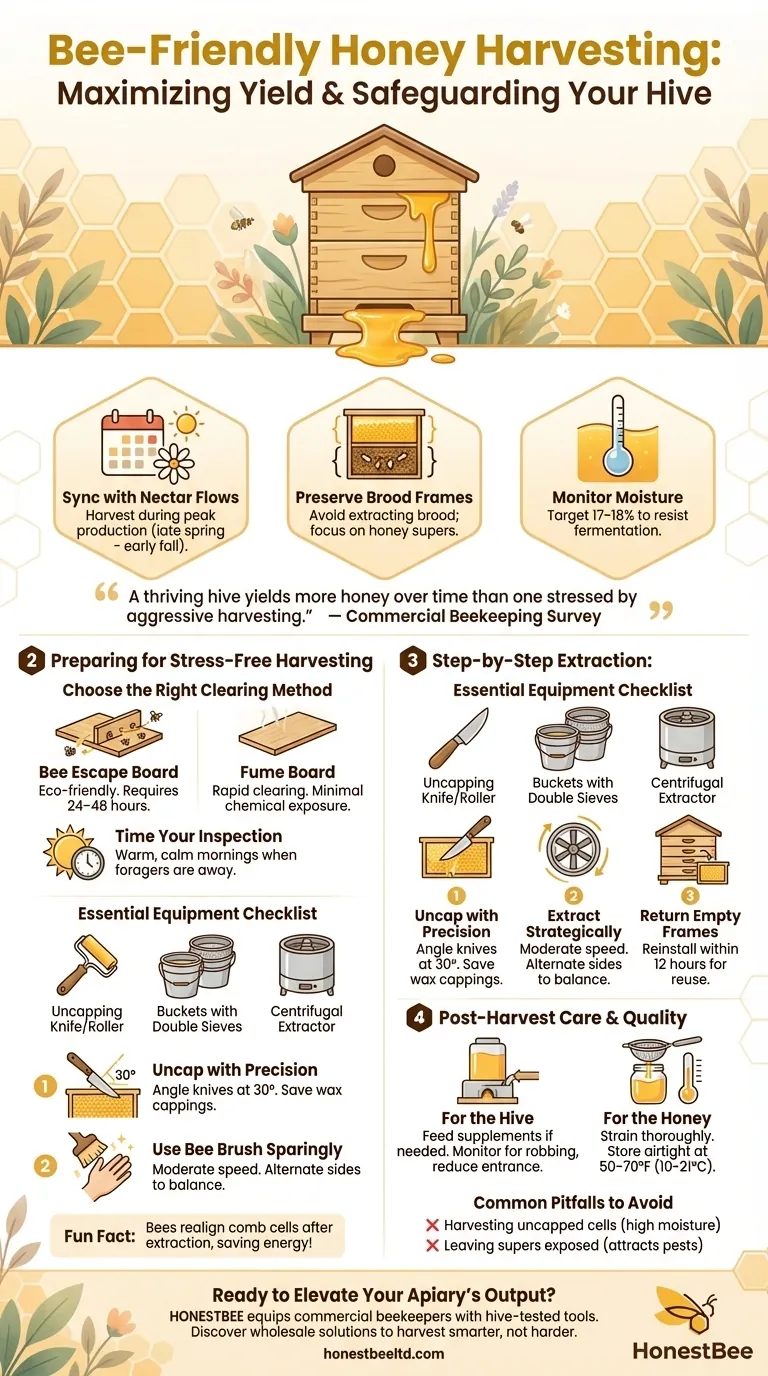
- Sync with nectar flows: Harvest during peak production periods (typically late spring to early fall) when bees are most active.
- Preserve brood frames: Avoid extracting frames with brood cells; focus on honey supers.
- Monitor moisture levels: Honey with 17–18% moisture content resists fermentation. Higher levels risk spoilage.
"A thriving hive yields more honey over time than one stressed by aggressive harvesting." — Commercial Beekeeping Survey
Preparing Your Hive for Stress-Free Harvesting
1. Choose the Right Clearing Method
Bee escapes (like Porter bee escapes) and fume boards each have advantages:
| Method | Best For | Considerations |
|---|---|---|
| Bee escape board | Eco-friendly operation | Requires 24–48 hours |
| Fume board | Rapid frame clearing | Minimal chemical exposure needed |
2. Time Your Inspection
Work during warm, calm mornings when most foragers are away. This reduces hive congestion and agitation.
3. Use a Bee Brush Sparingly
Gently brush remaining bees off frames—excessive brushing damages their delicate wings.
Step-by-Step Extraction: Tools and Bee-Safe Techniques
Essential Equipment Checklist:
- Stainless steel uncapping knife or roller
- Food-grade buckets with double sieves (200+ micron filters)
- Centrifugal extractor (manual or electric)
Procedures to Minimize Bee Loss:
-
Uncap with Precision
- Angle knives at 30° to preserve comb structure.
- Save wax cappings for rendering—they contain residual honey.
-
Extract Strategically
- Spin frames at moderate speed to prevent comb rupture.
- Alternate frame sides to balance centrifugal force.
-
Return Empty Frames Promptly
Reinstall supers within 12 hours so bees can clean and reuse them.
Fun Fact: Bees realign comb cells after extraction, saving energy for nectar collection.
Post-Harvest Hive Care and Honey Quality Preservation
For the Hive:
- Feed supplements if nectar sources dwindle (1:1 sugar syrup mimics natural nectar).
- Monitor for robbing behavior—reduce entrance sizes temporarily.
For the Honey:
- Strain thoroughly to remove wax debris and air bubbles.
- Store in airtight containers at 50–70°F (10–21°C) to prevent crystallization.
Common Pitfalls to Avoid:
× Harvesting frames with uncapped cells (indicates high moisture)
× Leaving extracted supers exposed (attracts pests)
Ready to Elevate Your Apiary’s Output?
HONESTBEE equips commercial beekeepers and distributors with hive-tested tools—from gentle bee escapes to commercial-grade extractors. Discover how our wholesale solutions help you harvest smarter, not harder.
Because sustainable beekeeping starts with the right tools.
Products You Might Be Looking For:
View honey uncapping tanks for beekeeping
Explore plastic honey uncapping tubs
Visual Guide
Related Products
- High-Performance Langstroth Bee Hives for Global Professional Beekeeping
- Langstroth Honey Bee Box Hive Boxes for Different Depths
- Australian Langstroth Beehive Boxes for Beekeeping Wholesales
- Long Langstroth Style Horizontal Top Bar Hive for Wholesale
- Solid Bottom Board Australian Pine Wood Langstroth Bottom Board for Wholesale
Related Articles
- How to Choose Langstroth Hive Box Sizes for Ergonomics, Efficiency, and Bee Health
- Flow Hive vs. Langstroth: When Does the Premium Price Deliver Real Savings?
- How Langstroth Hive Design Optimizes Bee Colony Growth and Honey Production
- How the Langstroth Hive Solves Modern Beekeeping’s Biggest Challenges
- How to Choose Between Top Bar and Langstroth Hives for Effortless Beekeeping













