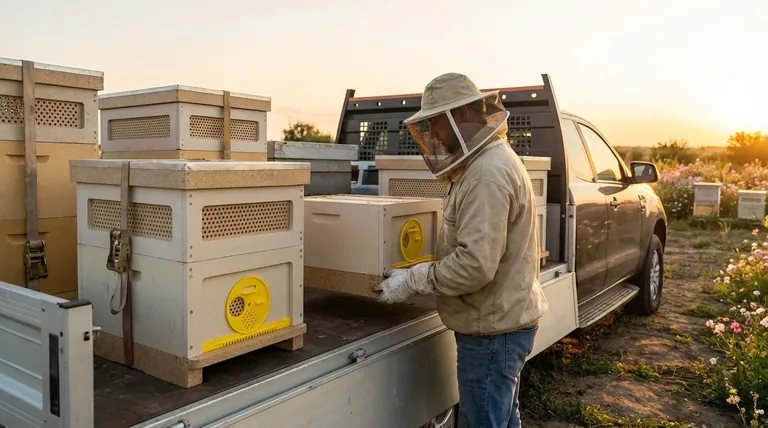
Beekeepers face a critical challenge when relocating hives: balancing weight management with colony welfare. This guide explores engineering solutions and operational strategies to transport hives safely while maintaining apiary productivity.
Optimizing Hive Transportation Through Weight Management
Why Hive Weight Directly Impacts Colony Survival During Relocation
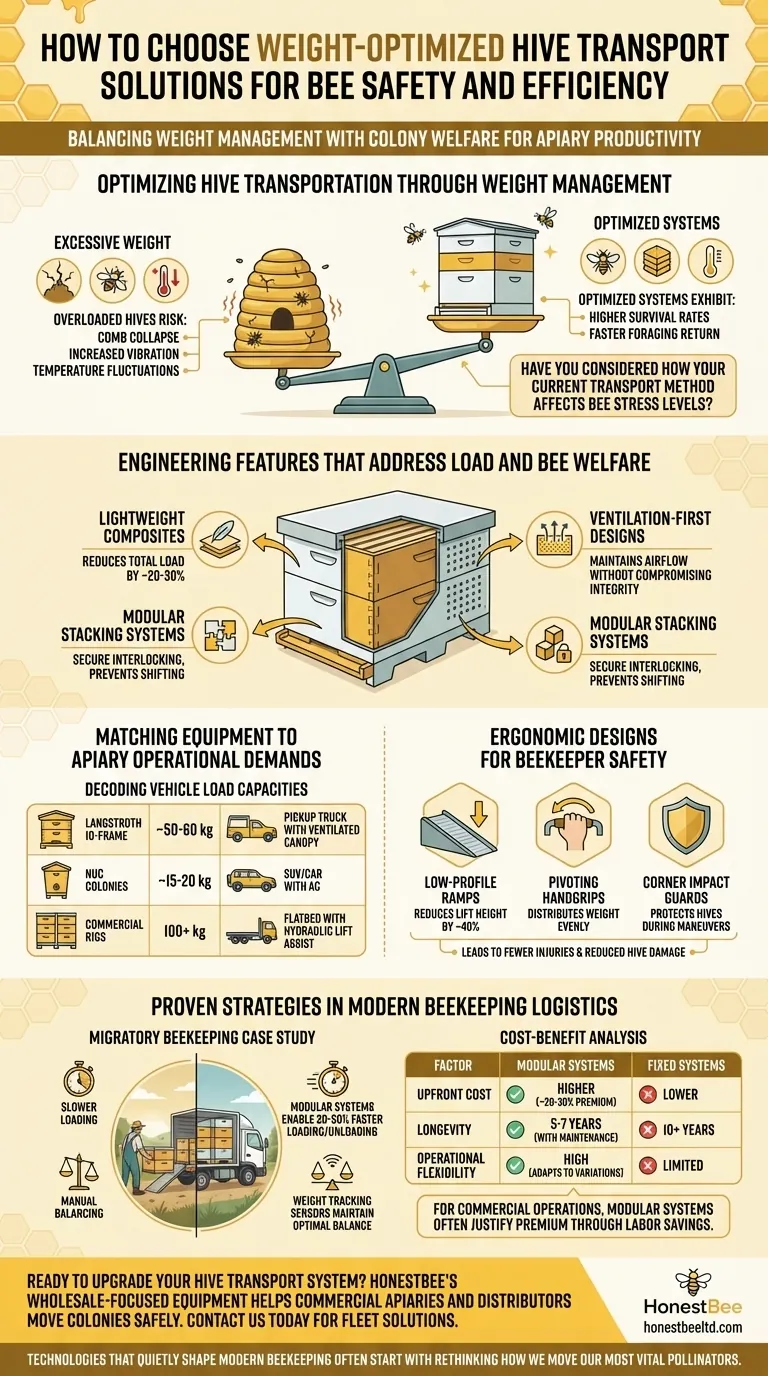
Excessive weight during transport stresses both bees and equipment. Overloaded hives risk:
- Comb collapse, crushing bees and brood
- Increased vibration, disrupting colony stability
- Temperature fluctuations from poor airflow (see Reference: Temperature Management)
Research shows colonies transported in weight-optimized systems exhibit:
- Higher survival rates during migratory operations
- Faster return to normal foraging patterns post-move
Engineering Features That Address Load and Bee Welfare
Modern transport solutions incorporate:
- Lightweight composites – Durable materials that reduce total load by ~20-30% versus traditional wood
- Ventilation-first designs – Perforated walls maintaining airflow without compromising structural integrity
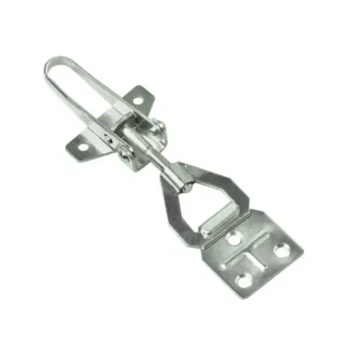
- Modular stacking systems – Secure interlocking mechanisms preventing shifting during transit
Have you considered how your current transport method affects bee stress levels?
Matching Equipment to Apiary Operational Demands
Decoding Vehicle Load Capacities for Different Hive Sizes
| Hive Type | Avg. Weight (Loaded) | Recommended Transport Method |
|---|---|---|
| Langstroth 10-frame | ~50-60 kg | Pickup truck with ventilated canopy |
| Nuc Colonies | ~15-20 kg | SUV/car with AC (see Reference) |
| Commercial Rigs | 100+ kg | Flatbed with hydraulic lift assist |
Ergonomic Designs for Beekeeper Safety and Hive Integrity
Key innovations include:
- Low-profile loading ramps reducing lift height by ~40%
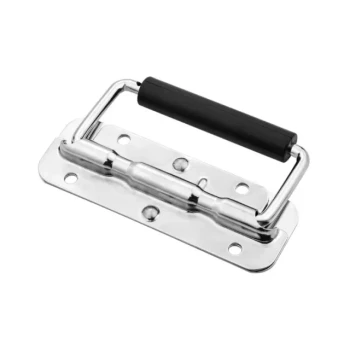
- Pivoting handgrips distributing weight evenly during manual handling
- Corner impact guards protecting hives during tight maneuvers
These features demonstrate how thoughtful engineering translates to:
- Fewer beekeeper injuries from repetitive lifting
- Reduced hive damage during frequent relocations
Proven Strategies in Modern Beekeeping Logistics
Case Study: Migratory Beekeeping Operations in Almond Pollination
Large-scale pollination contractors report:
- Modular systems enable 30-50% faster loading/unloading versus fixed configurations
- Weight tracking sensors help maintain optimal vehicle balance during long hauls
Cost-Benefit Analysis of Modular vs. Fixed Transport Systems
| Factor | Modular Systems | Fixed Systems |
|---|---|---|
| Upfront Cost | Higher (~20-30% premium) | Lower |
| Longevity | 5-7 years with maintenance | 10+ years |
| Operational Flexibility | High (adapts to hive variations) | Limited |
For commercial operations moving hives 10+ times annually, modular systems often justify their premium through labor savings.
Ready to upgrade your hive transport system? HONESTBEE’s wholesale-focused equipment helps commercial apiaries and distributors move colonies safely with our weight-optimized designs. Contact us today for fleet solutions that protect both bees and your bottom line.
Technologies that quietly shape modern beekeeping often start with rethinking how we move our most vital pollinators.
Visual Guide
Related Products
- Durable Plastic Interlocking Hive Connector for Beekeeping
- Heavy Duty Adjustable Hive Connector
- Heavy Duty Ratchet Hive Strap
- Plastic Transporting Bee Packages and Nuc Boxes for Beekeeping
- Ergonomic Two Person Foldable Hive Lifter
Related Articles
- Gravity is Not Your Friend: The Simple Physics of Safe Beehive Transport
- The Physics of a Stacked Beehive: Why a Simple Connector is a Non-Negotiable Tool
- Plastic Bee Hives: A Smart Investment for Modern Beekeepers
- Stop Losing Bees in Transit: The Real Reason Your Hive Transport is Chaotic and How to Fix It for Good
- The Silent Killer in Beehive Transport: Why Sealing Your Hives is a Fatal Mistake