Beekeepers balancing colony nutrition across seasons face a triple threat: drowning risks during syrup feeding, robbing incidents, and inefficient pollen distribution. Round hive top feeders address these pain points through smart design—but only when used strategically. This guide reveals proven methods to maximize their year-round utility, backed by apiary research and field-tested practices.
Round Hive Top Feeder Essentials
How the Insert Enhances Syrup Feeding Efficiency
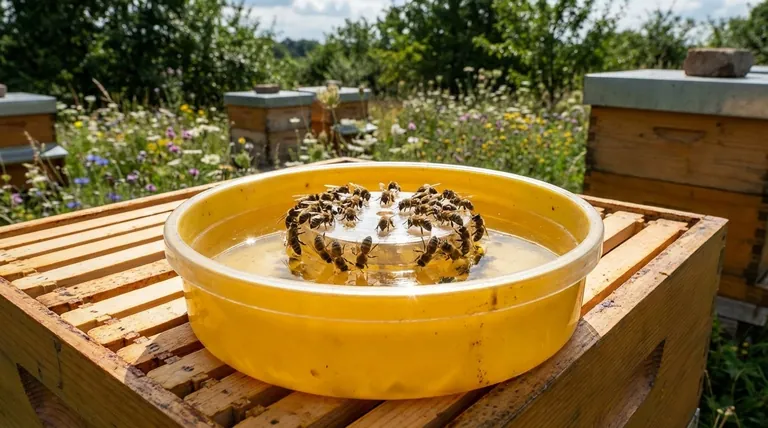
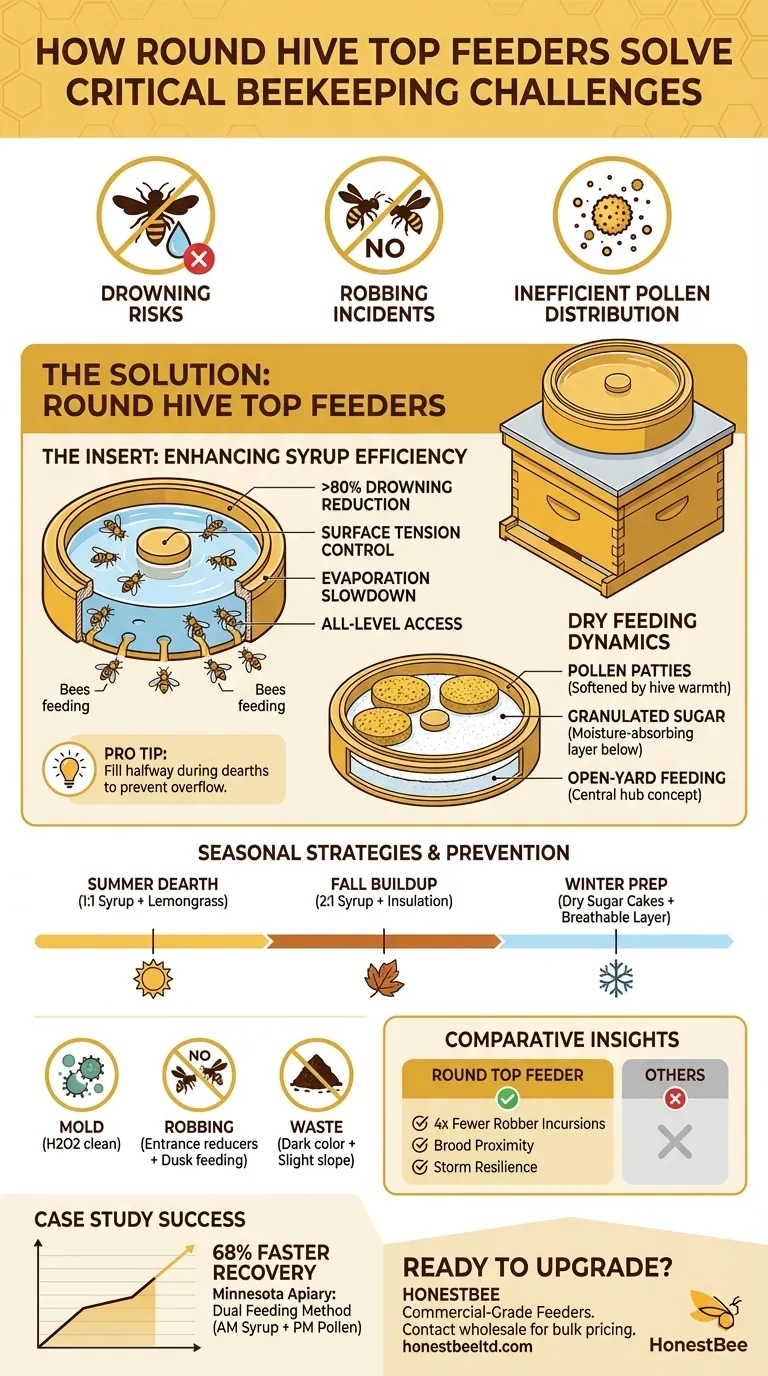
The floating insert isn’t just a barrier—it’s a lifeline. Research confirms these perforated platforms reduce drowning deaths by over 80% compared to open liquid feeders. Here’s why it works:
- Surface tension control: Bees access syrup through micro-gaps without submerging
- Evaporation slowdown: The insert’s coverage minimizes moisture loss in hot climates
- Colony accessibility: Workers from all hive levels can feed simultaneously
Pro Tip: During nectar dearths, fill only halfway to prevent overflow when dozens of bees cluster on the insert.
Dry Feeding Dynamics: Pollen and Sugar Best Practices
When switching to solid feed, the round feeder transforms into a secure dry station:
- Pollen patties: Place directly on the insert; the hive’s warmth softens them for easy consumption
- Granulated sugar: Add moisture-absorbing materials (like wood chips) beneath crystals to prevent clumping
- Open-yard feeding: Set up a dedicated feeder hive with multiple access points for apiary-wide nutrition
"An empty hive body becomes a pollen hub when positioned centrally in the yard," notes a 2023 apiary management study. This prevents weaker colonies from being outcompeted at single-entrance feeders.
Advanced Applications for Beekeeping Success
Seasonal Strategies: Dearth Periods vs. Winter Prep
| Season | Feed Type | Feeder Setup Tip |
|---|---|---|
| Summer dearth | 1:1 sugar syrup | Add lemongrass oil to deter robbers |
| Fall buildup | 2:1 sugar syrup | Insulate feeder sides with foam boards |
| Winter prep | Dry sugar cakes | Replace insert with breathable fabric layer |
Preventing Common Issues (Mold, Robbing, Waste)
Three preventable problems—and their solutions:
Mold growth
- Weekly cleaning with 3% hydrogen peroxide
- Avoid overfilling beyond 72-hour consumption
Robbing behavior
- Entrance reducers + top feeder = 90% fewer incidents
- Feed at dusk when guard bee presence peaks
Syrup waste
- Dark-colored feeders reduce bee agitation and spillage
- Slope the hive slightly forward so drips fall outside
Comparative Insights
Why Choose a Round Top Feeder Over Entrance or Frame Feeders
- Safety advantage: Enclosed design prevents 4x more robber bee incursions than entrance models
- Brood proximity: Direct placement above frames lets nurse bees feed without leaving larvae
- Storm resilience: Weighted covers stay secure (unlike frame feeders that shift during transport)
Case Study: Hive Recovery Using Dual Feeding Methods
A Minnesota apiary revived failing colonies by combining:
- Morning: Light syrup in round feeders (stimulates brood production)
- Evening: Dry pollen sub on inserts (builds fat body reserves)
Result: 68% faster population recovery versus single-method feeding.
Ready to upgrade your feeding system? HONESTBEE’s commercial-grade round hive feeders help distributors and apiaries cut losses while optimizing colony health—because thriving bees start with intelligent equipment. Contact our wholesale team for bulk pricing on season-ready solutions.
Visual Guide
Related Products
- HONESTBEE Round Hive Top Bee Feeder for Syrup
- Rapid Bee Feeder White Plastic 2L Round Top Feeder for 8 or 10-Frame Bee Hives
- HONESTBEE Square Top Hive Bee Feeder Top Bee Feeder
- HONESTBEE Professional Hive Top Bee Feeder Feeding Solution
- Professional Hive Top Bee Feeder for Beekeeping
Related Articles
- How to Choose the Right Bee Feeder for Your Hive’s Health and Efficiency
- How to Choose Between Frame and Gravity Feeders for Healthy Honey Bee Colonies
- How to Prevent Bee Drowning in Top Feeders Without Sacrificing Efficiency
- The Winter Fortress: Engineering Colony Survival with the Hive Top Feeder
- How to Choose the Right Bee Feeder: Matching Capacity and Feeding Rates to Your Hive