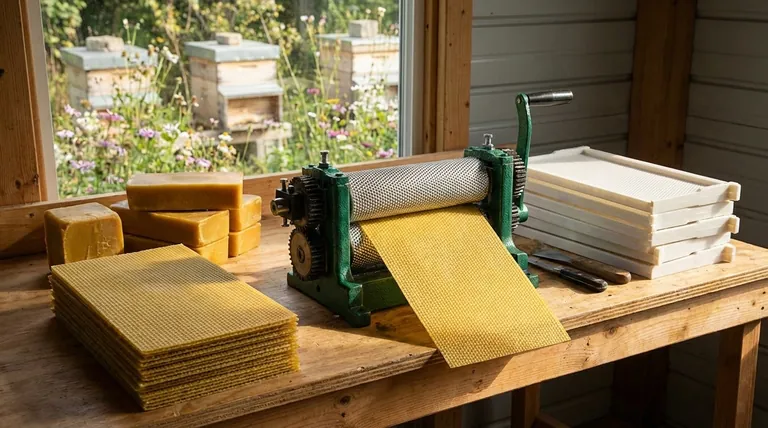
Beekeepers face a critical decision when selecting hive foundations: natural beeswax or manufactured plastic. This choice impacts colony health, operational costs, and environmental sustainability. Here’s how to align your foundation selection with your apiary’s long-term success.
Foundations and Colony Health Dynamics
Wax Acceptance Rates and Bee Preference
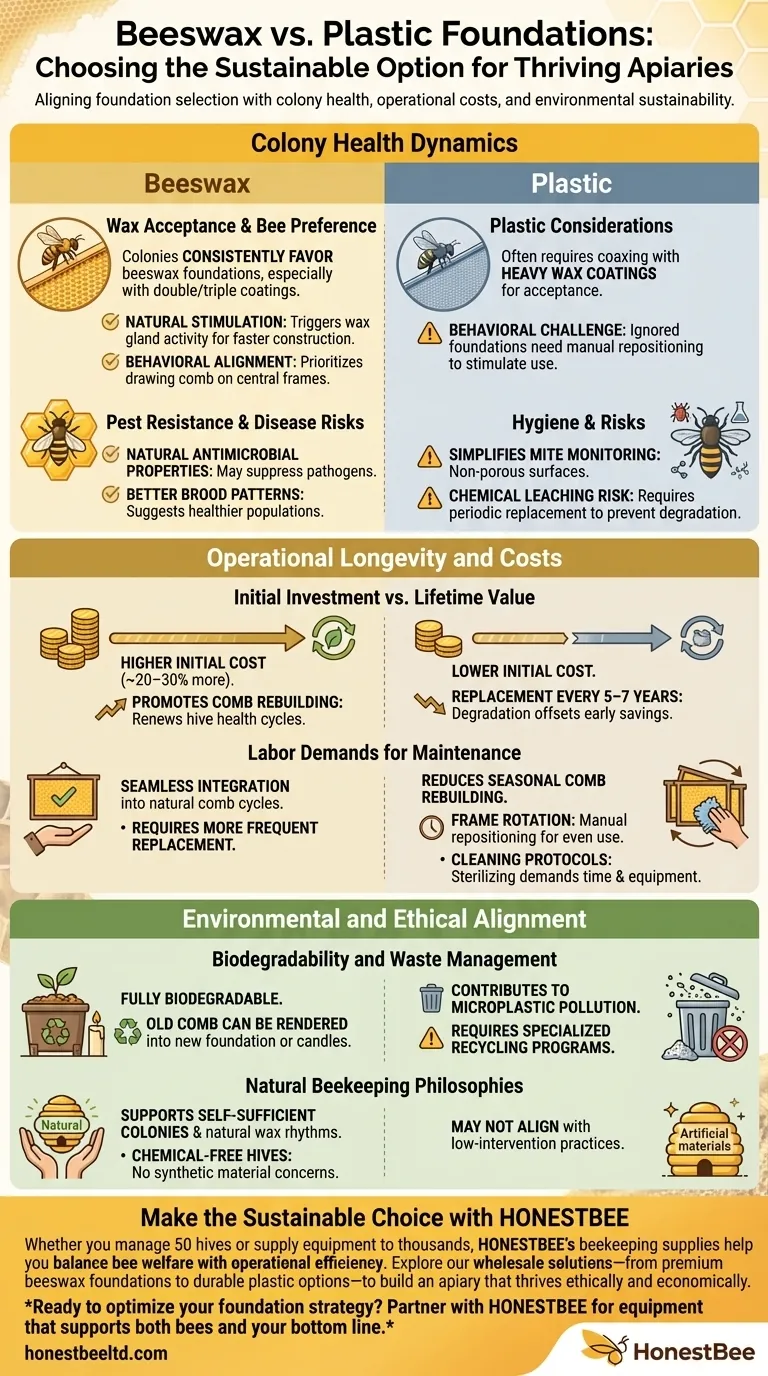
Bees demonstrate clear preferences in foundation materials. Research shows colonies consistently favor beeswax foundations—especially those with double or triple wax coatings—over plastic alternatives. This preference isn’t arbitrary:
- Natural Stimulation: Beeswax foundations trigger wax gland activity in worker bees, encouraging faster comb construction.
- Behavioral Alignment: Colonies prioritize drawing comb on centrally placed frames. Ignored plastic foundations often require repositioning toward the hive’s center to stimulate use.
Key Insight: While plastic foundations can be coaxed into acceptance with heavy wax coatings, beeswax foundations align with innate behaviors, reducing labor interventions.
Pest Resistance and Disease Risks
Material choice influences hive hygiene:
- Beeswax Pros: Natural antimicrobial properties may suppress pathogens.
- Plastic Considerations: Non-porous surfaces simplify mite monitoring but require periodic replacement to prevent chemical leaching over time.
Colonies on beeswax foundations often exhibit more consistent brood patterns, suggesting healthier populations.
Operational Longevity and Costs
Initial Investment vs. Lifetime Value
- Beeswax: Higher upfront cost (~20–30% more than basic plastic) but promotes comb rebuilding cycles that renew hive health.
- Plastic: Lower initial cost but may need replacement every 5–7 years due to degradation, offsetting early savings.
Labor Demands for Maintenance
Plastic foundations reduce seasonal comb rebuilding labor but introduce other tasks:
- Frame Rotation: Ensuring even use across plastic frames requires manual repositioning.
- Cleaning Protocols: Sterilizing plastic between uses demands time and equipment.
Beeswax foundations, while requiring more frequent replacement, integrate seamlessly into natural comb cycles.
Environmental and Ethical Alignment
Biodegradability and Waste Management
- Beeswax: Fully biodegradable; old comb can be rendered into new foundation or candles.
- Plastic: Contributes to microplastic pollution unless recycled through specialized programs.
Natural Beekeeping Philosophies
For apiaries committed to low-intervention practices, beeswax foundations support:
- Self-Sufficient Colonies: Encourages natural wax production rhythms.
- Chemical-Free Hives: Eliminates concerns about synthetic material interactions.
Make the Sustainable Choice with HONESTBEE
Whether you manage 50 hives or supply equipment to thousands, HONESTBEE’s beekeeping supplies help you balance bee welfare with operational efficiency. Explore our wholesale solutions—from premium beeswax foundations to durable plastic options—to build an apiary that thrives ethically and economically.
Ready to optimize your foundation strategy? Partner with HONESTBEE for equipment that supports both bees and your bottom line.
Visual Guide
Related Products
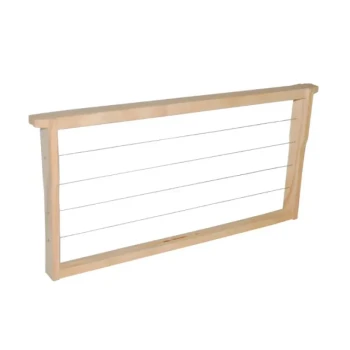
- HONESTBEE Wired and Assembled Wooden Bee Frames Foundation for a Thriving Hive
- Beeswax Foundation Sheets Beehive Foundation for Wholesale
- Plastic Bee Frame Beekeeping Hive Frames for Wholesale
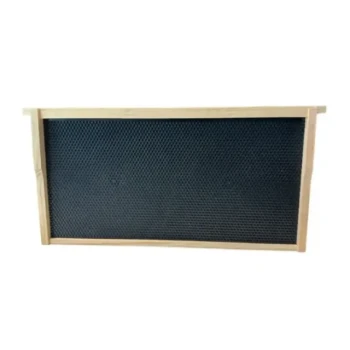
- Assembled Wooden Bee Frames with Plastic Foundation for Durability and Convenience by HONESTBEE
- Professional Large-Format Hive Number Set for Beekeeping
Related Articles
- Wooden vs. Plastic Bee Hive Frames: Balancing Sustainability and Practicality
- Why Wooden Beehive Frames Outperform Alternatives: Science, Sustainability, and Beekeeper Experiences
- The Physics of the Hive: How a Simple Wire Prevents Catastrophic Failure
- Beyond the Scrape: A Risk Management Framework for Cleaning Beehive Frames
- How to Wire Beehive Frames for Maximum Durability and Honey Production