The Most Important Interface
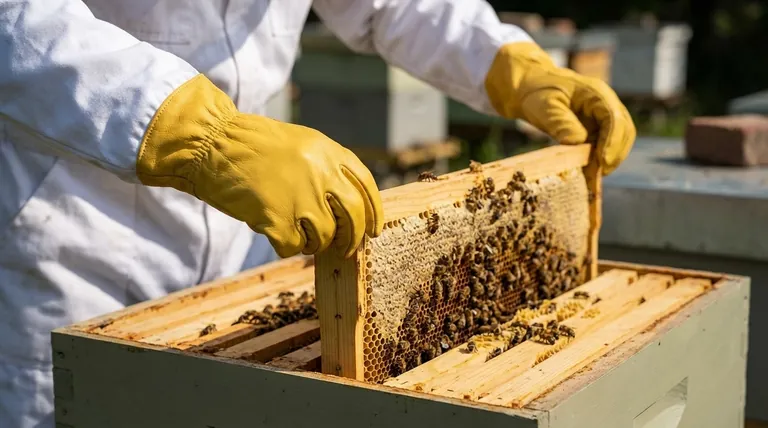
A beekeeper pulls a frame from a deep hive body. The movement should be slow, deliberate, almost balletic. But today, it's clumsy. The excess leather at their fingertip catches the edge of an adjacent frame.
The resulting jerk is tiny, but in the dark, crowded colony, it's an earthquake. A few bees are crushed. In an instant, the air is thick with the sharp, banana-like scent of alarm pheromone. The hive's low hum escalates to a high-pitched, defensive roar.
This isn't a failure of technique. It's a failure of equipment.
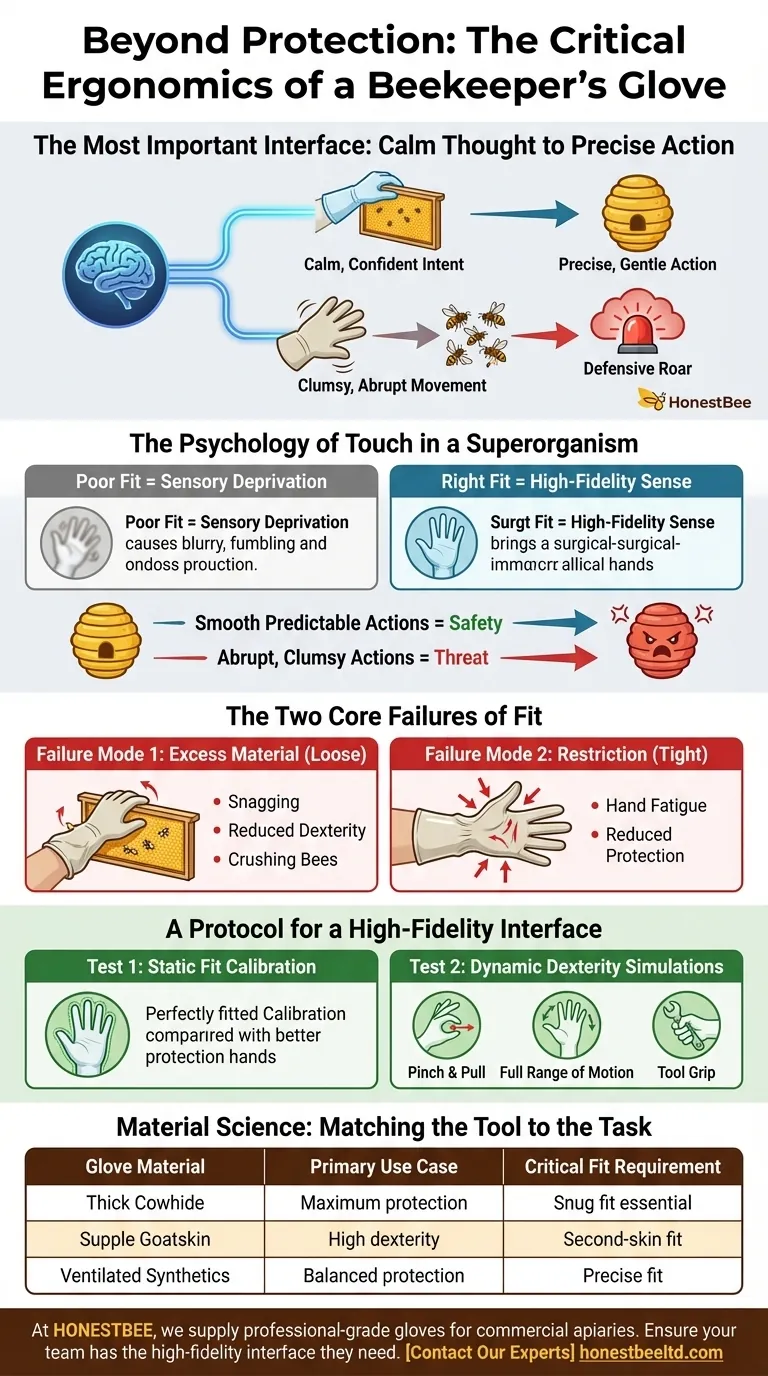
The beekeeping glove is not just a piece of armor. It is the primary interface between the beekeeper's intention and the hive's reality. A good glove translates calm, confident thought into precise, gentle action. A bad glove turns every movement into a liability.
The Psychology of Touch in a Superorganism
Calmness is a beekeeper's most valuable tool. We communicate our intent to the colony through our movements. Smooth, predictable actions signal safety. Abrupt, clumsy ones signal a threat.
The fit of your gloves directly dictates the quality of this communication.
A poorly fitting glove creates sensory deprivation. It forces you to overcompensate, to grip too hard and move with uncertainty. This clumsiness is interpreted by the bees as aggression, triggering the very defensive behavior the gloves are meant to protect you from.
The right fit, however, allows for a high-fidelity sense of touch. It fosters confidence, enabling the delicate manipulations required to manage a colony without causing stress. It's the difference between fumbling in the dark and performing surgery.
The Two Core Failures of Fit
Choosing a glove isn't a simple matter of size. It's a technical decision to avoid two distinct and dangerous failure modes: looseness and tightness.
Failure Mode 1: The Hazard of Excess Material
A glove that is too loose is an active risk.
- Snagging: As in our opening scenario, excess material at the fingertips or palm can snag on hive components, causing jerky movements.
- Reduced Dexterity: The empty space acts as a buffer, making it impossible to perform fine tasks like picking up a queen, inspecting eggs, or clearing a small obstruction.
- Crushing Bees: Clumsiness is lethal. Crushing bees is not only harmful to the colony's population but is the single fastest way to incite a defensive response via alarm pheromones.
Failure Mode 2: The Hazard of Restriction
A glove that is too tight is equally problematic, though for different reasons.
- Hand Fatigue: Constant pressure restricts blood flow, leading to numbness and fatigue during long apiary sessions. A tired hand is an unsteady hand.
- Reduced Protection: A tight fit stretches the material—be it leather or synthetic—making it thinner and easier for a stinger to penetrate. The fabric is already under tension, doing half the bee's work for it.
A Protocol for a High-Fidelity Interface
To find the right fit, you must go beyond a simple "try-on." You need to run a series of simulations that replicate the demands of hive work.
Test 1: The Static Fit Calibration
First, assess the glove at rest. It should feel like a second skin—snug across the palm and back of the hand without any uncomfortable pressure.
Most critically, check the fingertips. There should be almost zero empty space at the end of your fingers. This is a non-negotiable requirement for precise work.
Test 2: Dynamic Dexterity Simulations
With the gloves on, perform these actions:
- The "Pinch & Pull": Attempt to pick a credit card or a coin up from a flat surface. This mimics the fine grip needed to lift the corner of a propolis-sealed frame. If you can't do it, the glove is too clumsy.
- The "Full Range of Motion": Make a tight fist, then spread your fingers as wide as possible. The material should move with you, not fight against you.
- The "Tool Grip": Hold your hive tool. Your grip should feel secure and confident, not vague or slippery.
Material Science: Matching the Tool to the Task
The ideal fit is relative to the glove's material. For a commercial operation, choosing the right material is a strategic decision about risk and efficiency.
| Glove Material | Primary Use Case | Critical Fit Requirement |
|---|---|---|
| Thick Cowhide | Maximum protection, aggressive colonies, heavy-duty tasks | A perfectly snug fit is essential to counteract the material's inherent clumsiness. |
| Supple Goatskin | High dexterity, queen work, detailed inspections | A "second-skin" fit with no folds or wrinkles is crucial for tactile feedback and to prevent stings. |
| Ventilated Synthetics | Balanced protection in hot climates | A precise fit ensures ventilation works as designed and prevents snagging. |
For a commercial apiary, glove selection isn't about preference; it's about outfitting your team with the correct tool for the job. An experienced beekeeper doing queen rearing needs a different interface than a new hire doing heavy lifting in a challenging yard.
Providing gloves that pass these fit tests is a direct investment in the safety of your team and the health and productivity of your colonies. It reduces stress—for both the beekeeper and the bees—and allows for more efficient, effective, and ultimately more profitable work.
At HONESTBEE, we supply professional-grade beekeeping gloves engineered for the precise demands of commercial apiaries. We understand that the right fit is a cornerstone of safe and productive beekeeping, which is why we offer a range of materials and sizes to equip your entire operation correctly.
Ensure your team has the high-fidelity interface they need. Contact Our Experts
Visual Guide
Related Products
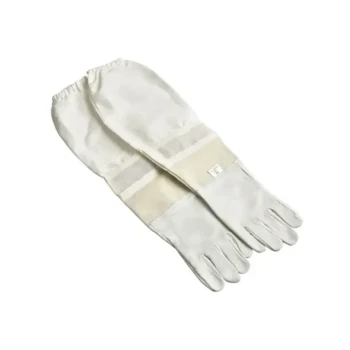
- Beekeeping Gloves Goatskin Leather with Long Cotton Sleeve for Beekeepers
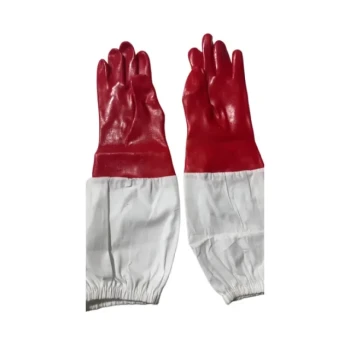
- Heavy Duty Red Rubber Beekeeping Gloves with Extended Pure Cotton Sleeves for Beekeepers
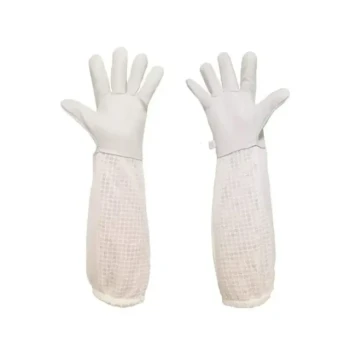
- Goatskin Leather Beekeeper Gloves with Vent Long Sleeve for Beekeeping Honey Bee Sting Proof Protection
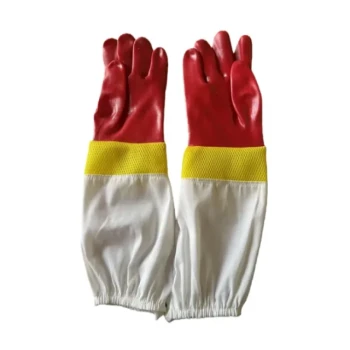
- Heavy Duty Red Rubber Beekeeping Gloves with Vented Mesh Cotton Sleeves
- Goat Skin Leather Bee Sting Proof Beekeeping Gloves with Canvas Sleeve
Related Articles
- How Proper Storage Extends Beekeeping Glove Lifespan by Multiple Seasons
- The Second Skin: A Beekeeper's Guide to Glove Longevity and Apiary Health
- How to Choose Beekeeping Gloves: Material Science for Optimal Protection & Dexterity
- How to Choose Beekeeping Gloves: Material, Fit, and Care Explained
- Beyond the Sting: How Glove Hygiene Dictates Apiary Success