The Psychology of a Beekeeper's Gloves
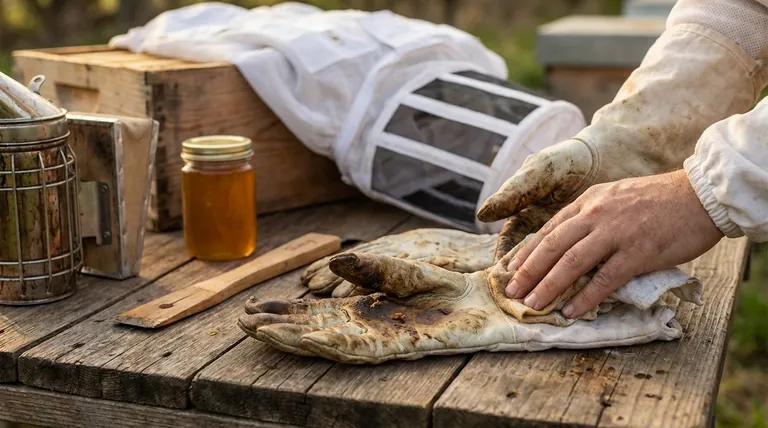
At the end of a long day in the apiary, you peel them off. They are stiff with propolis, stained with the day's labor, and smell faintly of smoke and honey. Your gloves are more than just protective equipment; they are your second skin, the primary interface between you and the tens of thousands of lives you manage.
The central dilemma for any serious beekeeper lies right here, on your hands. The very substances that signify a healthy, productive hive—resinous propolis and protective wax—are the same agents that relentlessly degrade your most essential tool.
Cleaning them, therefore, is not a mere chore. It is an act of stewardship. It reflects a deeper understanding that the longevity of your equipment is tied to the health of your apiary and the sustainability of your operation.
The Cardinal Rule: Respect the Material
The most common mistake is born from good intentions: treating durable leather gloves like a pair of rubber boots. The impulse is to scrub them clean, to soak away the grime. This is a fatal error.
Leather is a natural, porous material. Its strength and flexibility come from a complex structure of fibers and essential oils. Saturating it with water strips these oils, and as the water evaporates, it draws the remaining oils out with it. The fibers constrict, leaving the leather stiff, brittle, and prone to cracking.
Your goal is not sterilization; it is preservation.
A Methodical Approach to Preservation
Treat the cleaning process as a quiet ritual, a discipline that extends the life of your second skin. It can be broken down into three distinct phases.
Phase 1: The Dry Preparation
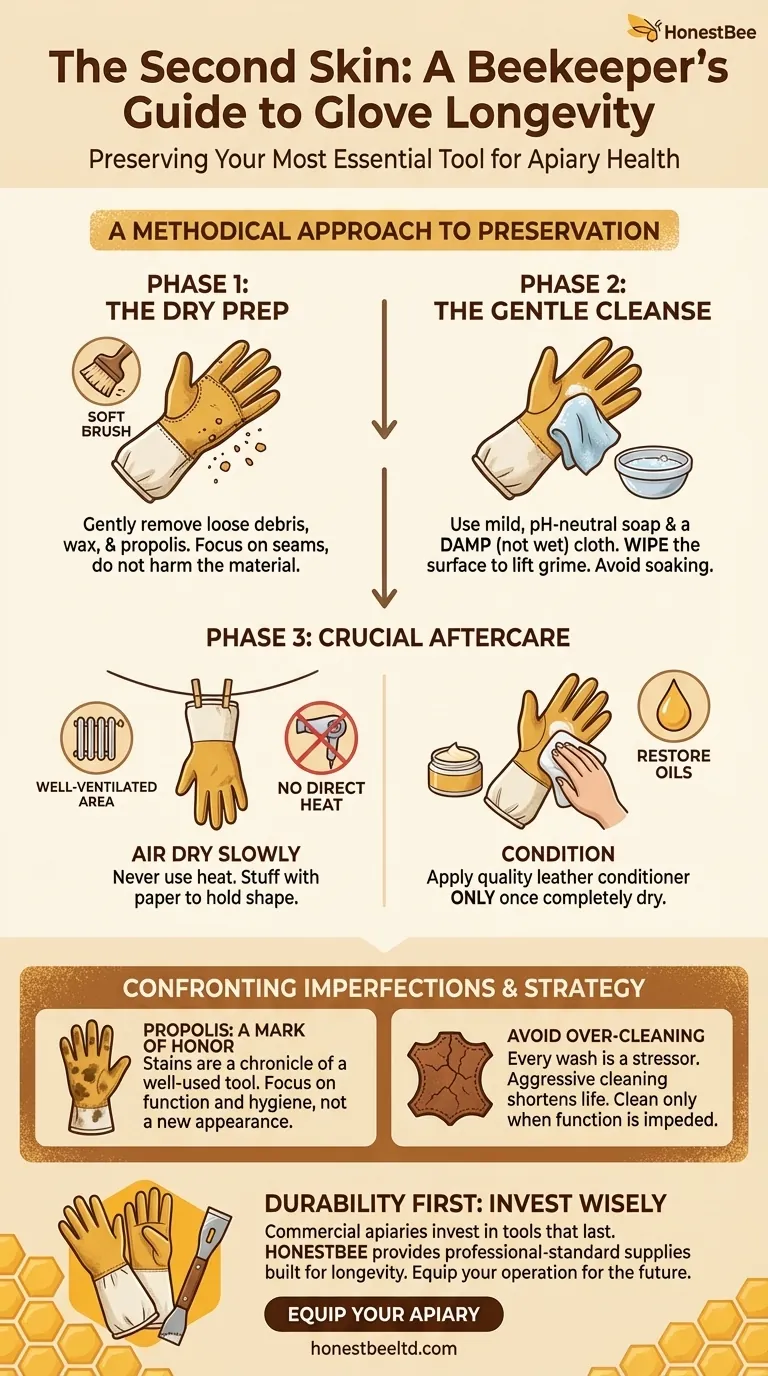
Before a single drop of water is introduced, you must assess and prepare. Use a soft brush to gently remove all loose debris. Focus on the seams and joints where wax and propolis accumulate. This isn't about aggression; it's about carefully removing what is foreign without harming what is essential.
Phase 2: The Gentle Cleanse
This phase is defined by restraint.
- The Solution: Mix a small amount of a mild, pH-neutral soap (like saddle soap) into lukewarm water. Harsh detergents are the enemy.
- The Application: Dip a soft cloth into the solution and wring it out until it is merely damp, not dripping.
- The Action: Gently wipe the surface of the gloves. You are lifting the grime from the surface, not driving water into the pores. Work methodically, section by section. Wipe away the soap residue with a second cloth dampened only with clean water.
Phase 3: The Crucial Aftercare
What you do after washing determines whether your gloves recover or fail.
- Drying: Never use direct heat. A radiator or hairdryer will turn supple leather into cardboard. Pat the gloves with a dry towel and let them air dry slowly in a well-ventilated space, away from sunlight. Stuffing them with paper helps them hold their shape.
- Conditioning: Once—and only once—the gloves are completely dry, you must restore the oils that were lost. Apply a quality leather conditioner with a soft cloth, working it into the material in small circles. This step restores flexibility and is the single most important barrier against cracking.
Confronting the Imperfections
A beekeeper must learn to work with nature, not against it. The same philosophy applies to your tools.
Propolis: A Mark of Honor, Not a Flaw
Propolis stains are notoriously stubborn. You can spot-treat them with a paste of baking soda or a touch of vinegar (always test on an inconspicuous area first), but complete removal is unlikely without damaging the leather.
It is psychologically freeing to reframe these stains. They are not imperfections; they are the chronicle of a well-used tool. They are marks of honor earned through seasons of successful hive management. The goal is function and hygiene, not a factory-new appearance.
The Danger of Good Intentions
Over-cleaning is as destructive as neglect. Every wash cycle, no matter how gentle, is a stressor on the material. Aggressive scrubbing or frequent chemical use will shorten the life of your gloves dramatically. Clean them only when they are dirty enough to impede function or compromise hygiene.
Your Equipment Strategy: Durability First
A maintenance discipline is only as effective as the material it is applied to. Low-quality gloves will fail regardless of how well you care for them. The foundation of a sustainable beekeeping operation is starting with equipment designed for the rigors of the job.
This is a principle well understood in commercial apiaries, where equipment failure is not an inconvenience but a direct hit to the bottom line. They invest in tools that last.
For commercial operators and distributors, HONESTBEE provides beekeeping supplies built to this professional standard. Our wholesale focus means we understand the need for durable, reliable gear that responds well to proper maintenance, from high-quality leather gloves to robust hive tools and extractors.
Protecting this investment requires both disciplined maintenance and starting with equipment built for the task. To equip your commercial apiary with supplies designed for longevity, Contact Our Experts.
Visual Guide
Related Products
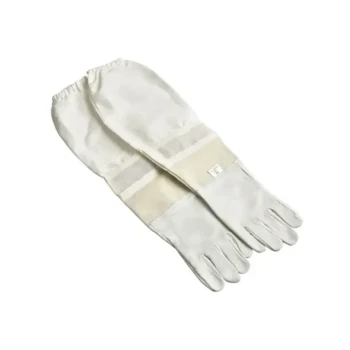
- Beekeeping Gloves Goatskin Leather with Long Cotton Sleeve for Beekeepers
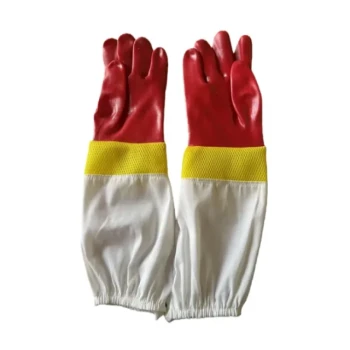
- Heavy Duty Red Rubber Beekeeping Gloves with Vented Mesh Cotton Sleeves
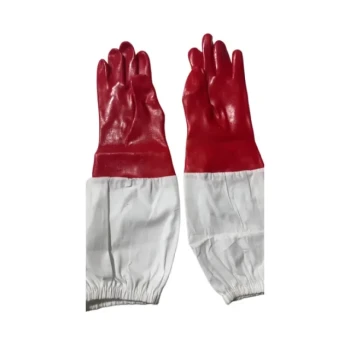
- Heavy Duty Red Rubber Beekeeping Gloves with Extended Pure Cotton Sleeves for Beekeepers
- Goatskin Leather Beekeeper Gloves with Vent Long Sleeve for Beekeeping Honey Bee Sting Proof Protection
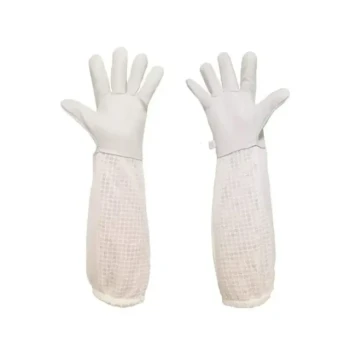
- Premium Ventilated Goatskin Beekeeping Gloves with Full 3-Layer Mesh Sleeve
Related Articles
- How Proper Storage Extends Beekeeping Glove Lifespan by Multiple Seasons
- How to Choose Beekeeping Gloves: Material Science for Optimal Protection & Dexterity
- How to Choose Beekeeping Gloves: Material, Fit, and Care Explained
- Beyond the Sting: How Glove Hygiene Dictates Apiary Success
- More Than a Barrier: The Psychology of Glove Selection in Commercial Beekeeping