The Moment of System Failure
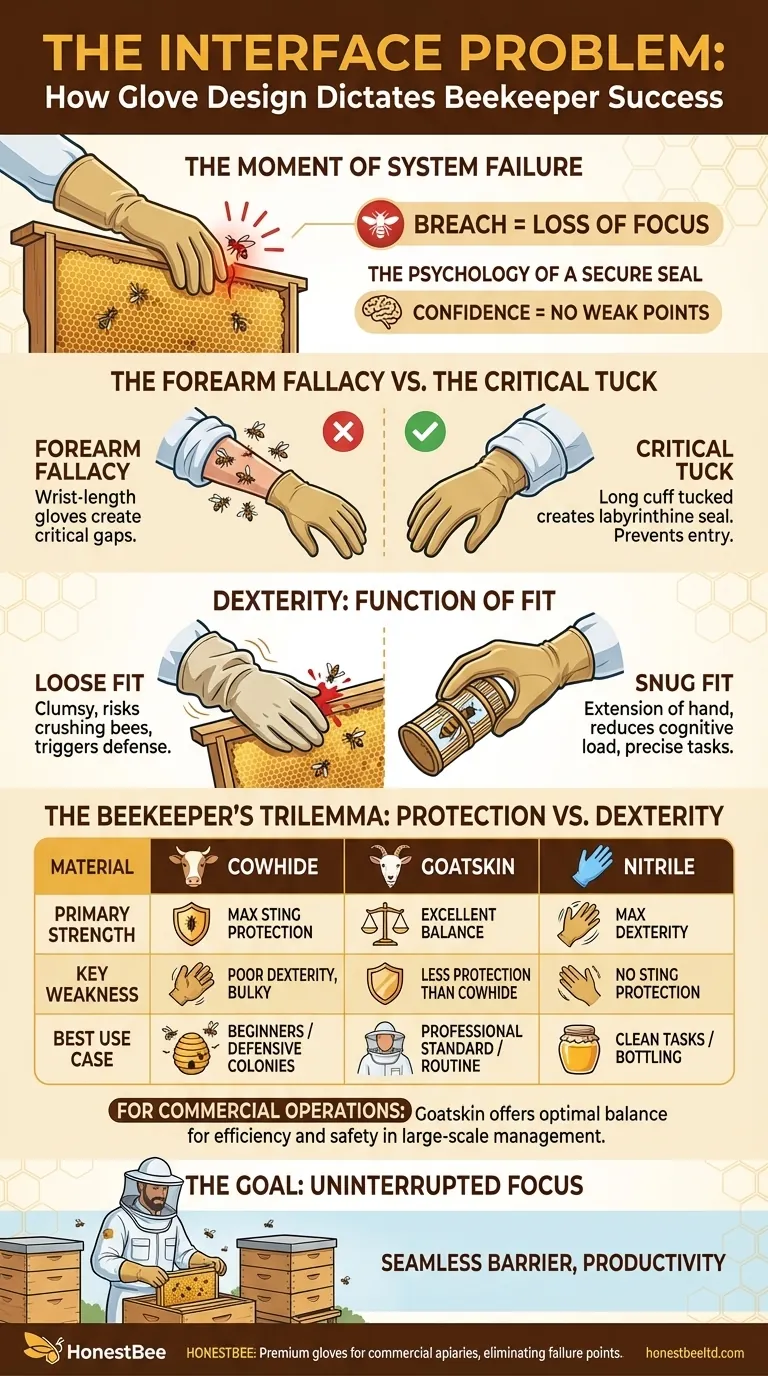
Every experienced beekeeper knows the feeling. The hive is calm, the inspection is proceeding smoothly, and then, a sudden, sharp vibration is felt inside your suit. A single bee has breached the perimeter.
The work stops. Focus shifts from the health of the colony to a personal, urgent search. Where is the failure point? In almost every case, the breach occurred at the most vulnerable interface in the entire system: the junction between the glove and the sleeve.
This isn't just about preventing a sting. It's about preventing a critical loss of focus.
The Psychology of a Secure Seal
Protective gear is as much a psychological tool as it is a physical barrier. The fear of a potential breach can make a beekeeper hesitant, clumsy, and inefficient. True confidence comes from knowing there are no weak points.
Bees are master explorers of tiny gaps. The fundamental goal of a beekeeping glove is to eliminate these entry points with an elegantly simple design.
The Forearm Fallacy
A glove that ends at the wrist creates a critical vulnerability. As a beekeeper lifts frames and moves their arms, sleeves naturally ride up, exposing the forearm. Bees, often crawling upwards from the hand, will inevitably find this gap.
An extended cuff isn't a luxury; it's a core design requirement that acknowledges the physical reality of working in a hive.
The Critical Tuck: An Intentional Design
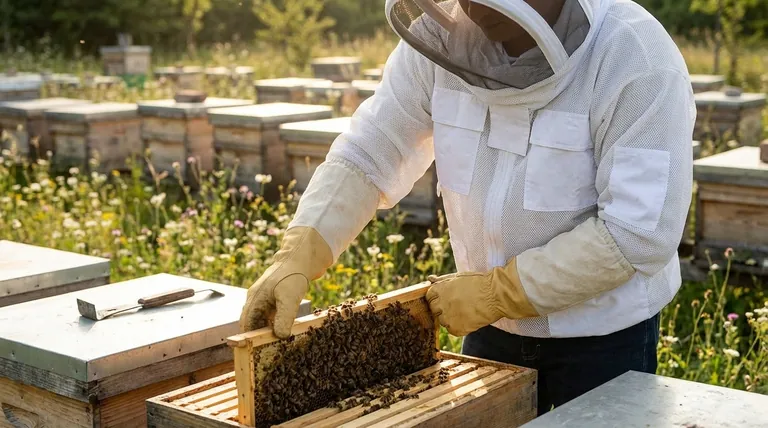
The long cuff is designed for one specific action: to be tucked securely inside the sleeve of a beekeeping suit.
This simple act creates an overlapping, labyrinthine seal. It’s a low-tech but brilliant solution that makes it virtually impossible for a bee to navigate its way to your skin. It closes the system's most common failure point.
Dexterity Is a Function of Fit, Not Just Material
While coverage creates the secure perimeter, the glove's effectiveness within that perimeter is dictated by its fit. An improper fit introduces new, and often more dangerous, problems.
A loose glove with excess material can fold over, accidentally crushing bees and triggering a defensive response from the colony. It snags on burr comb and hangs up on frame edges.
A snug, well-fitting glove becomes an extension of your hand. It reduces your cognitive load, allowing you to focus on the delicate tasks of hive management—lifting frames, inspecting brood, or marking a queen—without fighting your own equipment.
The Beekeeper's Trilemma: Protection vs. Dexterity
The choice of glove material is always a strategic trade-off. No single material is perfect for every task or every beekeeper. The decision balances the need for protection against the need for tactile feedback.
| Material | Primary Strength | Key Weakness | Best Use Case |
|---|---|---|---|
| Cowhide | Maximum Sting Protection | Poor Dexterity, Bulky | Beginners or highly defensive colonies. |
| Goatskin | Excellent Balance of Protection & Dexterity | Less protection than cowhide | The professional standard for routine inspections. |
| Nitrile | Maximum Dexterity | No Sting Protection | Clean tasks like bottling honey, away from the hive. |
For commercial operations, where efficiency and safety are paramount, the choice almost always centers on the optimal balance. Goatskin leather provides enough protection to instill confidence while being supple enough for the precise, repetitive work required to manage dozens or hundreds of hives a day.
The Goal is Uninterrupted Focus
Ultimately, the perfect beekeeping glove is one you can forget you are wearing.
It provides a seamless, impenetrable barrier that removes the psychological distraction of potential stings. Its fit is so precise that it allows you to work with confidence and control, ensuring the safety of both the beekeeper and the bees.
For a commercial apiary, equipment is not just about protection; it's about productivity. Every minute spent dealing with a gear failure is a loss. That is why professional-grade gloves, engineered with a deep understanding of the beekeeper's workflow, are essential. HONESTBEE supplies commercial apiaries and distributors with premium goatskin and cowhide gloves designed precisely for this interface—providing the robust, full-coverage protection and dexterity needed for efficient, large-scale hive management.
If you're ready to equip your team with gear that eliminates failure points and enhances focus, Contact Our Experts.
Visual Guide
Related Products
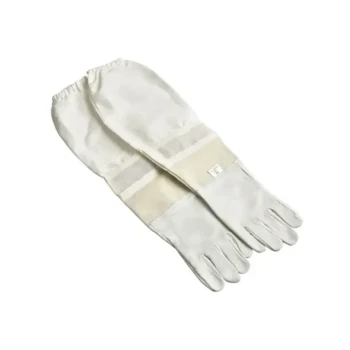
- Beekeeping Gloves Goatskin Leather with Long Cotton Sleeve for Beekeepers
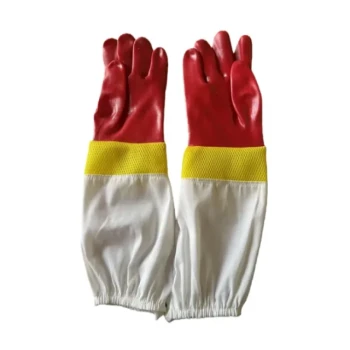
- Heavy Duty Red Rubber Beekeeping Gloves with Vented Mesh Cotton Sleeves
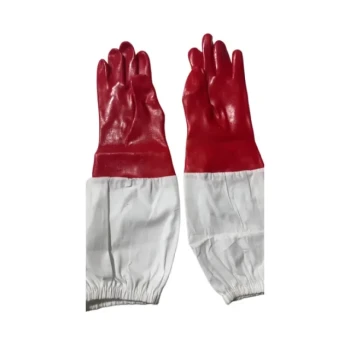
- Heavy Duty Red Rubber Beekeeping Gloves with Extended Pure Cotton Sleeves for Beekeepers
- Goatskin Leather Beekeeper Gloves with Vent Long Sleeve for Beekeeping Honey Bee Sting Proof Protection
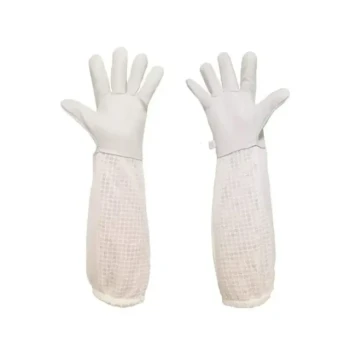
- Premium Ventilated Goatskin Beekeeping Gloves with Full 3-Layer Mesh Sleeve
Related Articles
- How Proper Storage Extends Beekeeping Glove Lifespan by Multiple Seasons
- The Second Skin: A Beekeeper's Guide to Glove Longevity and Apiary Health
- How to Choose Beekeeping Gloves: Material Science for Optimal Protection & Dexterity
- How to Choose Beekeeping Gloves: Material, Fit, and Care Explained
- Beyond the Sting: How Glove Hygiene Dictates Apiary Success