The Psychology of a Minor Threat
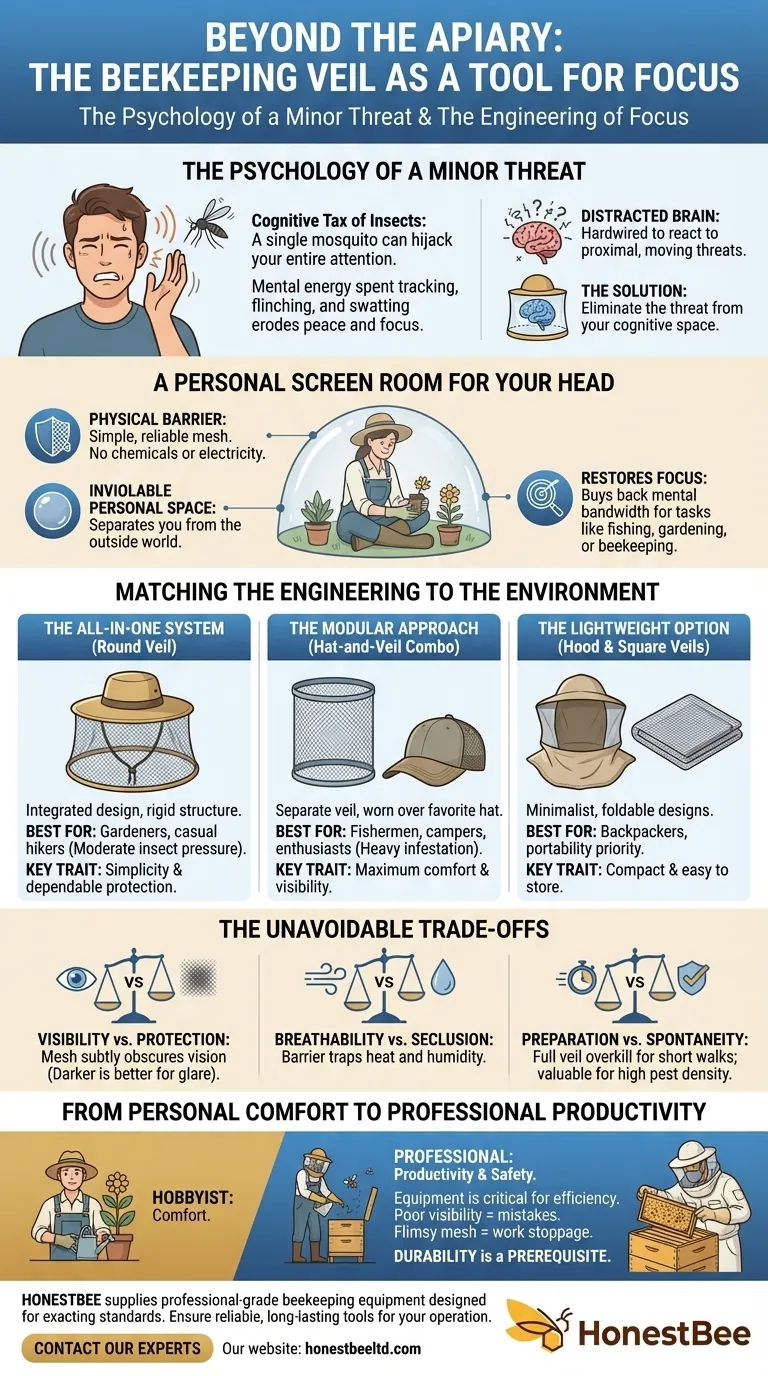
There is a unique cognitive tax imposed by a single mosquito whining in your ear. It’s a tiny, almost weightless problem, yet it can hijack your entire attention.
Whether you're casting a line at dusk, weeding a garden bed, or simply trying to enjoy a quiet evening outdoors, the persistent threat of a flying insect is a powerful distraction. The mental energy spent tracking its sound, the reflexive flinching, the constant swatting—it all erodes the very peace or focus you went outside to find.
This isn't a failure of discipline. It's human psychology. Our brains are hardwired to react to proximal, moving threats. The solution, then, isn't to try harder to ignore them. The solution is to eliminate the threat from your cognitive space entirely.
The beekeeping hat offers a surprisingly elegant, mechanical solution to this biological and psychological problem.
A Personal Screen Room for Your Head
The primary function of a beekeeping veil has little to do with bees themselves. It’s about creating an inviolable personal space.
Its purpose is to be a physical barrier. It doesn't rely on chemicals or electricity, just a simple, reliable mesh that separates your face from the outside world. This transforms it from a piece of niche agricultural equipment into a powerful, general-purpose tool for anyone who works or relaxes outdoors.
It allows your focus to return to the task at hand, whether that's the subtle tug on a fishing line, the delicate process of pruning a rose bush, or the critical inspection of a beehive frame. The veil buys back your mental bandwidth.
Matching the Engineering to the Environment
Not all veils are created equal because not all environments demand the same solution. The design differences reflect a deep understanding of trade-offs between protection, visibility, and convenience.
The All-in-One System: The Round Veil
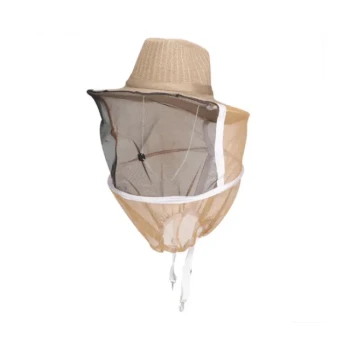
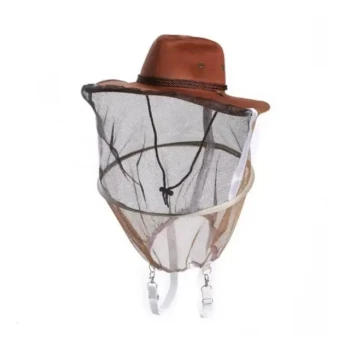
This is the classic, integrated design: a wide-brimmed hat with a veil permanently attached. Its rigid structure ensures the mesh is held consistently away from your skin.
- Best For: Gardeners, casual hikers, and anyone needing a reliable, grab-and-go solution for moderate insect pressure.
- Key Trait: Simplicity and dependable protection.
The Modular Approach: The Hat-and-Veil Combo
This design separates the veil from the hat. The veil is an open-topped cylinder of mesh designed to be worn over your own favorite hat.
- Best For: Fishermen, campers, and serious outdoor enthusiasts who spend long hours in heavily infested areas.
- Key Trait: Maximum comfort and visibility, as you can pair it with a hat that provides the best fit and sun protection for you.
The Lightweight Option: Hood and Square Veils
These are minimalist, often foldable designs. The hood veil is a soft, unstructured covering, while the square veil is a simple sheet of mesh that drapes over a hat.
- Best For: Backpackers or anyone for whom portability is the highest priority.
- Key Trait: Compact and easy to store, providing essential protection when needed without adding bulk.
The Unavoidable Trade-Offs
Every engineering solution involves compromises. A veil is no different.
- Visibility vs. Protection: The mesh that protects you will always subtly obscure your vision. Darker mesh is paradoxically better for visibility, as it reduces glare, but a physical screen will never be as clear as open air.
- Breathability vs. Seclusion: The barrier that keeps bugs out also traps some heat and humidity. In intensely hot climates, this can be a significant comfort factor.
- Preparation vs. Spontaneity: For a short walk with few insects, a full veil is overkill. Its true value emerges when the pest density is high enough to genuinely ruin an experience.
From Personal Comfort to Professional Productivity
For a hobbyist, these trade-offs are a matter of comfort. For a commercial apiary, they are calculations of productivity and safety.
In a professional environment, equipment is not a luxury; it is a critical component in a system designed for efficiency and safety. A veil that offers poor visibility can lead to mistakes during hive inspections. A flimsy mesh that tears can result in stings that halt work entirely. Durability isn't just a feature—it's a prerequisite for uninterrupted operations.
For commercial apiaries and beekeeping equipment distributors, the standard for protective gear is necessarily higher. You need equipment built for day-in, day-out use, capable of withstanding the rigors of a demanding work environment while providing the clarity and protection your team needs to perform.
At HONESTBEE, we supply wholesale beekeeping equipment, including professional-grade veils and protective gear, designed to meet these exacting standards. If your operation depends on reliable, long-lasting equipment, let's ensure you have the right tools for the job. Contact Our Experts
Visual Guide
Related Products
- Beekeeper Cowboy Hat and Veil for Beekeeping
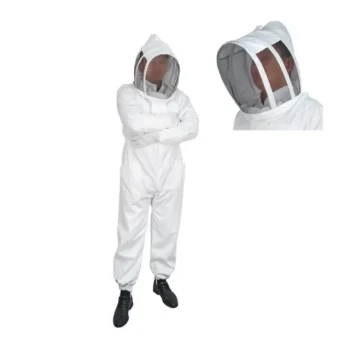
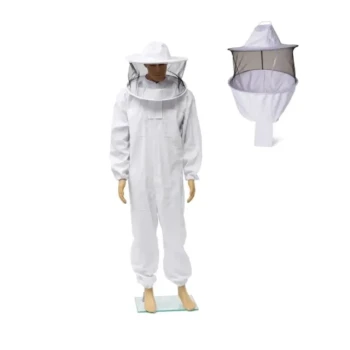
- White Cotton Beekeeping Jacket and Veil for Bee Keepers
- Professional Square Folding Wire Mesh Beekeeping Veil
- Premium Cotton Beekeeper Suit with Reinforced Fencing Veil
- Premium Cowboy Beekeeper Hat with Visibility Veil Outdoor Professional Beekeeping Protective Gear
Related Articles
- How to Choose the Best Beekeeping Headgear for Safety and Comfort
- The Beekeeper's Blind Spot: The Cognitive Ergonomics of a Veil
- Managing Volatility: The Veil as a Beekeeper's Most Critical Interface
- How to Clean Beekeeping Veils Without Damaging Mesh or Visibility
- How to Choose a Beekeeping Veil: Safety and Comfort for Beginners