The Weight of a Single Frame
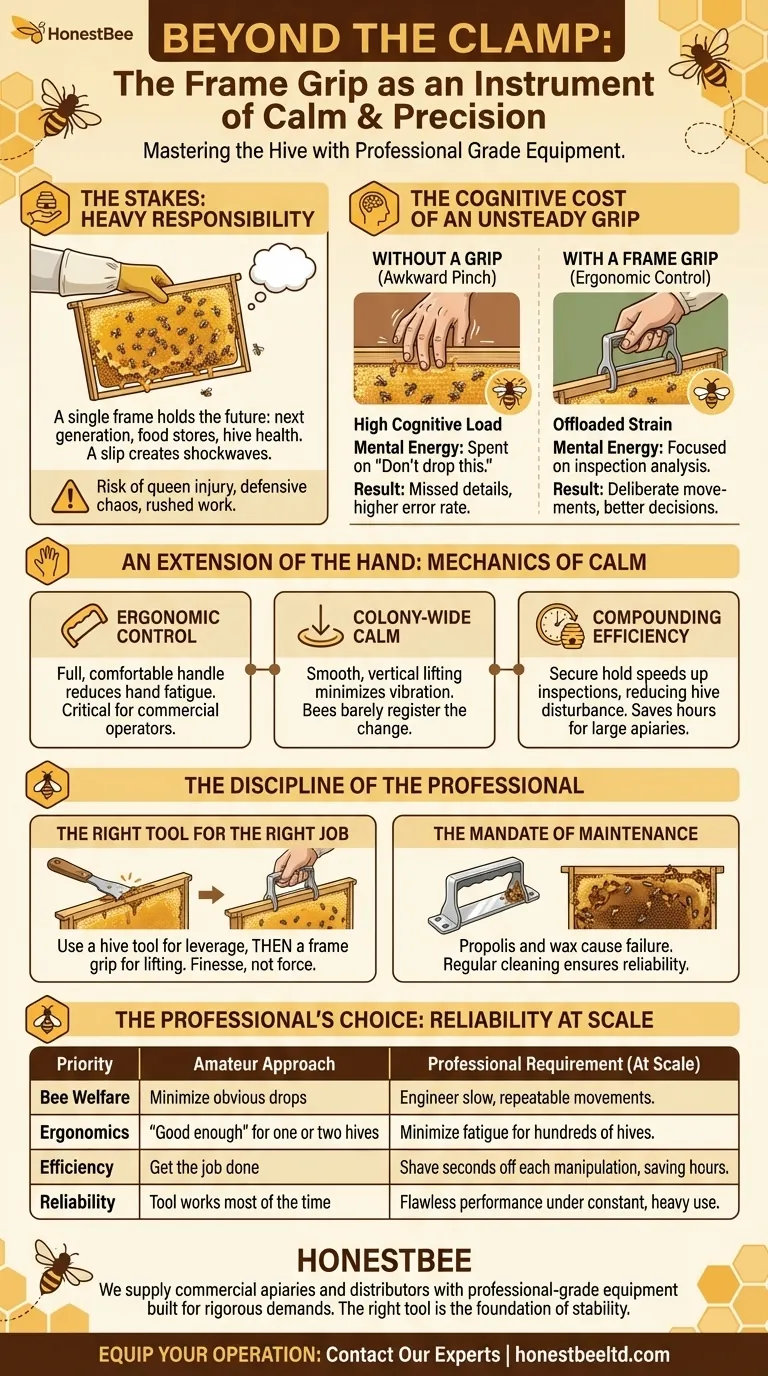
A single hive frame, heavy with honey, brood, and thousands of bees, is a microcosm of the entire colony. It holds the future—the next generation of workers, the food stores for winter, the very health of the hive. Holding it in your hands is a profound responsibility.
A sudden slip, a jerky movement, or an accidental drop is not a minor mistake. It's a shockwave that can throw a calm colony into defensive chaos, risk injuring the queen, and turn a productive inspection into a stressful battle. The primary challenge of beekeeping isn't just understanding bees; it's mastering the physical interface between our world and theirs.
The Cognitive Cost of an Unsteady Grip
Our brains have a finite amount of attention. When you're struggling to maintain a secure but gentle hold on a heavy, buzzing frame with your fingertips, a significant portion of your focus is diverted to the simple physical task: "Don't drop this."
This is known as cognitive load. The mental energy spent on the physical act of holding the frame is energy that isn't being spent on the critical analysis the inspection requires. Are the brood patterns healthy? Are there signs of parasites? Is the queen laying well?
An awkward grip creates mental noise, and that noise undermines the entire purpose of the inspection. It leads to rushed work, missed details, and a higher chance of error.
An Extension of the Hand: The Mechanics of Calm
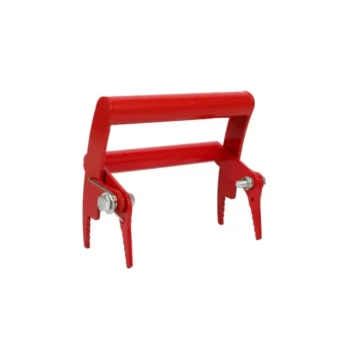
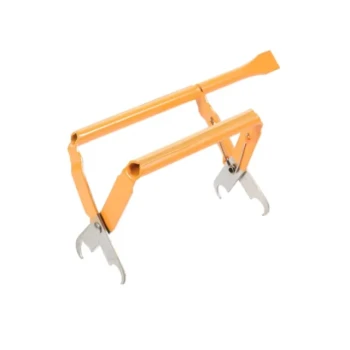
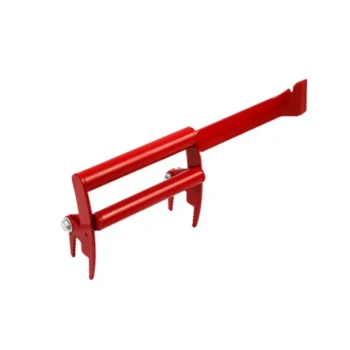
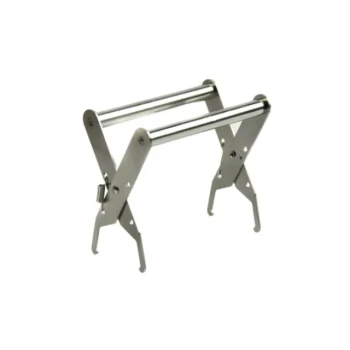
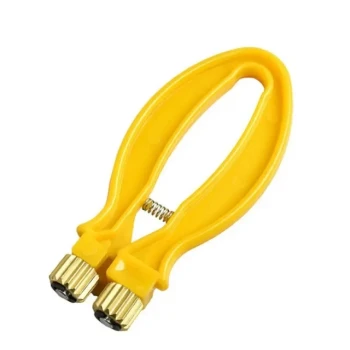
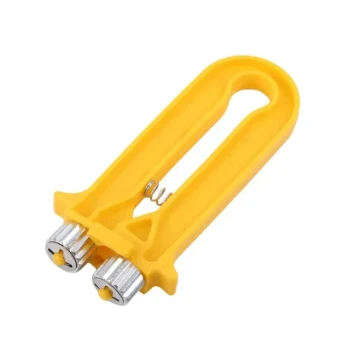
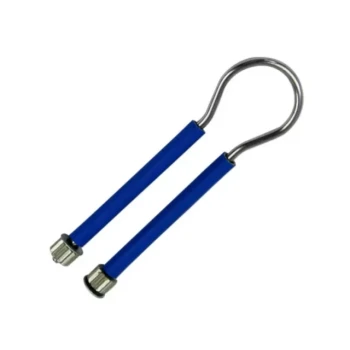
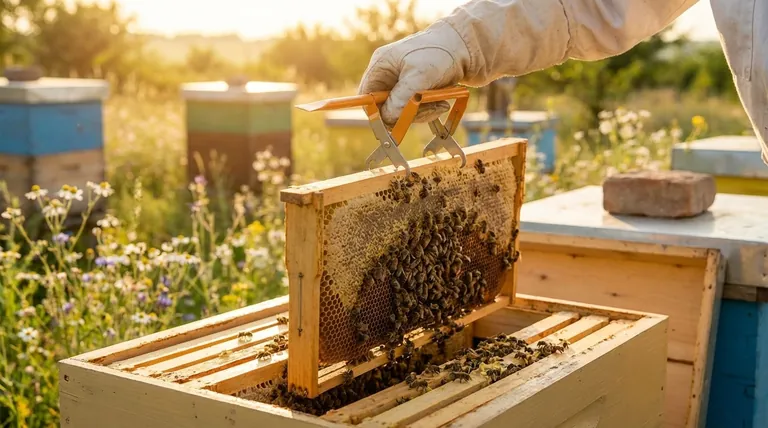
A well-designed frame grip is not just a piece of metal. It's an ergonomic tool designed to offload the physical strain, freeing your mind to focus on the bees. Its value is measured in the calm and precision it enables.
From Awkward Pinch to Ergonomic Control
Instead of straining your fingers on a narrow top bar, a frame grip offers a full, comfortable handle, much like a suitcase. This ergonomic advantage immediately reduces hand fatigue, allowing for steadier, more deliberate movements. This is especially critical for commercial operators managing dozens or hundreds of hives a day, where fatigue is a direct threat to efficiency and safety.
Translating Stability into Colony-Wide Calm
Bees are exquisitely sensitive to vibration and sudden movements. A frame lifted smoothly and vertically with a grip causes minimal disturbance. The bees barely register the change. This contrasts sharply with the jarring motion that often comes from a strained, manual grip. The tool acts as a stabilizing interface, translating the beekeeper’s intent into a motion the colony can tolerate.
The Compounding Gains of Efficiency
With a secure hold, you can manipulate frames with confidence and speed. This reduces the total time the hive is open to the elements and to your intrusion. A shorter inspection is a less stressful inspection for the bees, allowing them to return to their vital work more quickly. For a commercial apiary, these saved minutes compound into hours of increased productivity.
The Discipline of the Professional
Like any professional instrument, the effectiveness of a frame grip depends on its proper use and maintenance. This discipline separates the hobbyist from the professional.
The Right Tool for the Right Job
A frame grip is a tool of finesse, not force. The first step is always to use a hive tool to gently break the propolis seals that bees use to glue everything together. The hive tool applies the necessary leverage. Only once the frame is loose should the frame grip be employed to lift it cleanly and vertically.
The Mandate of Maintenance
Propolis and wax will inevitably build up on the tool’s jaws. This isn't just messy; it’s a failure point. A contaminated grip can slip. Professionals understand that tool maintenance is non-negotiable. A quick cleaning after use ensures the tool remains reliable, inspection after inspection. This commitment to reliability is why choosing durable, well-constructed equipment is paramount.
The Professional’s Choice: Reliability at Scale
For commercial apiaries and equipment distributors, tools are not just accessories; they are assets. The demands of wholesale operations require equipment that can withstand constant, heavy use without failure. Durability, ergonomic design, and unwavering reliability are the primary purchasing criteria.
This is where sourcing matters. A flimsy tool that bends or rusts is a liability. A professionally engineered tool is an investment in safety, efficiency, and the long-term health of the apiary.
| Priority | Amateur Approach | Professional Requirement (At Scale) |
|---|---|---|
| Bee Welfare | Minimize obvious drops | Engineer slow, repeatable movements to reduce systemic stress |
| Ergonomics | "Good enough" for one or two hives | Minimize fatigue to maintain peak performance across hundreds of hives |
| Efficiency | Get the job done | Shave seconds off every frame manipulation to save hours daily |
| Reliability | Tool works most of the time | Tool must perform flawlessly under constant, demanding conditions |
At HONESTBEE, we supply commercial apiaries and distributors with precisely this kind of professional-grade equipment. Our frame grips and beekeeping supplies are built for the rigorous demands of scaled operations, ensuring every inspection is as safe, calm, and efficient as possible.
Mastering the hive is a process of removing variables and creating control. It begins with a steady hand, and the right tool is the foundation of that stability.
Ready to equip your operation with tools built for performance and reliability? Contact Our Experts
Visual Guide
Related Products
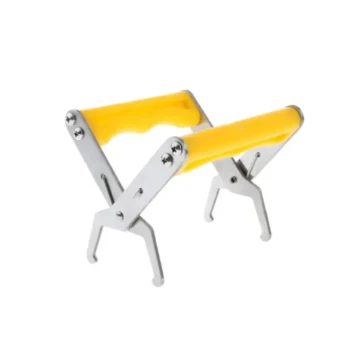
- Ergonomic High Visibility Plastic Frame Grip Handles
- Durable Galvanized Steel Frame Grip
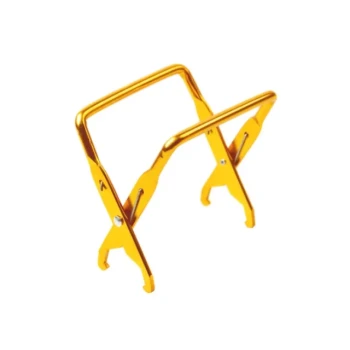
- Lightweight Aluminum Frame Grip
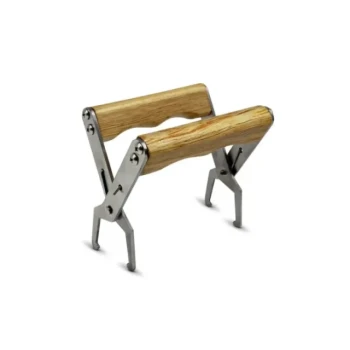
- Premium Frame Grip with Ergonomic Wood Handles
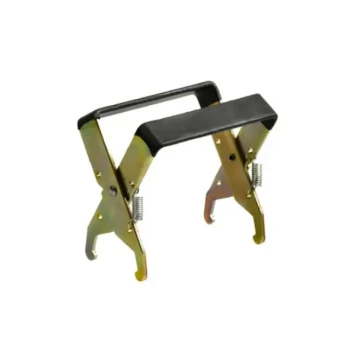
- Durable Rubberized Comfort Handle Frame Grip
Related Articles
- The One-Handed Lift: Why a Simple Frame Grip is Your Apiary's Most Underrated Productivity Tool
- Calm Hands in the Colony: The Ergonomic Argument for Frame Grips
- The Psychology of Control: Why a Frame Grip is a Masterclass in Hive Management
- Your Frame Grip Might Be Costing You Thousands: The Hidden Link Between Tool Hygiene and Apiary Collapse
- How Frame Grips Enhance Bee Welfare and Beekeeper Efficiency