Beekeepers face a constant challenge: maintaining hive health across wildly fluctuating temperatures and humidity levels. Entrance reducers—those simple wooden or plastic strips at hive entrances—serve as vital climate control tools that few appreciate. This guide reveals the science behind strategic entrance management, helping commercial apiaries prevent winter condensation disasters and spring robbing frenzies while optimizing brood development conditions.
Optimizing Hive Survival Through Entrance Management
The Thermodynamics of Bee Clusters and Winter Ventilation
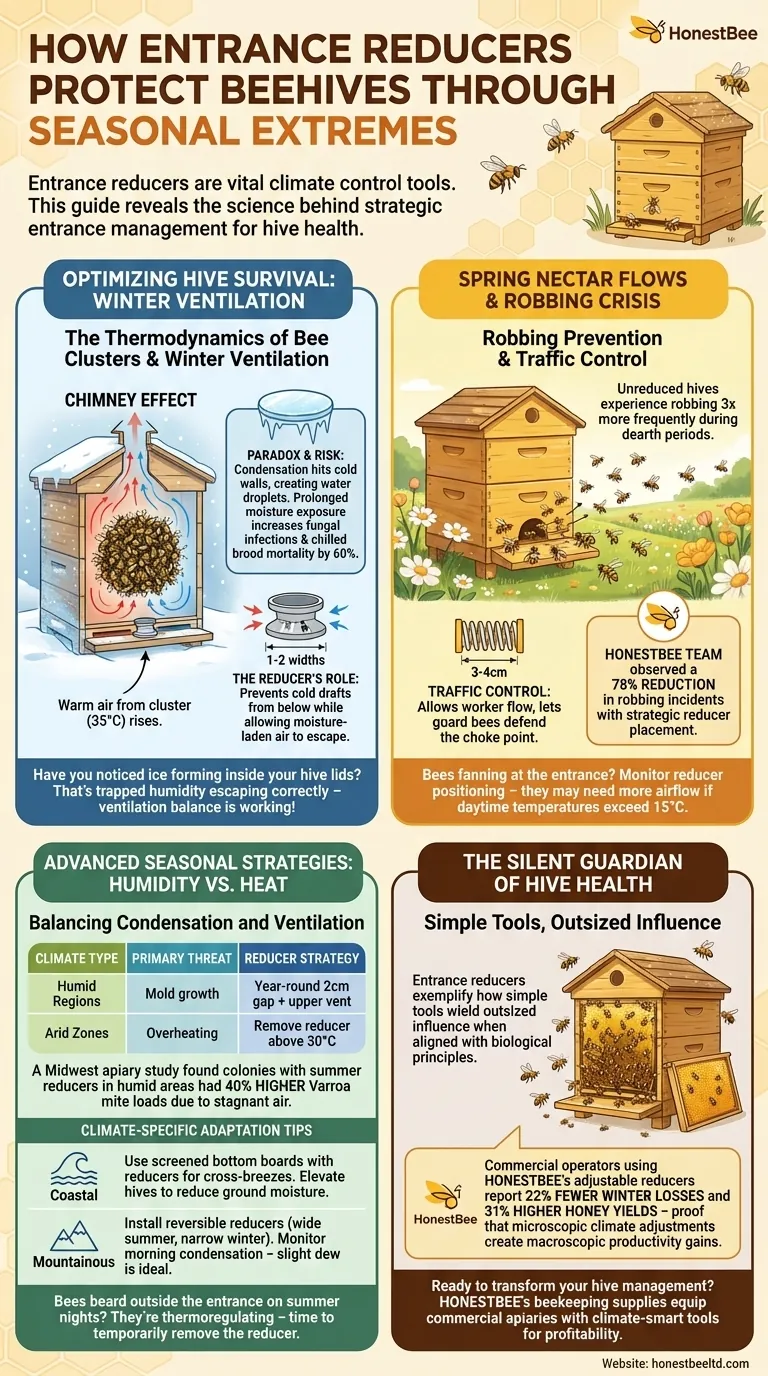
Honeybees cluster tightly in winter, generating metabolic heat to maintain core temperatures around 35°C—critical for brood survival. But this creates a dangerous paradox:
- Condensation risks: Warm air rising from the cluster hits cold hive walls, creating water droplets that drip onto bees. Research shows prolonged moisture exposure increases fungal infections and chilled brood mortality by over 60% in poorly ventilated hives.
- The reducer's role: A narrowed winter entrance (typically 1-2 bee widths) allows moisture-laden air to escape while retaining heat. Think of it as a chimney effect—warm air exits through the top vent while the reducer prevents cold drafts from below.
Have you noticed ice forming inside your hive lids? That’s trapped humidity escaping correctly—a sign your ventilation balance is working.
Spring Nectar Flows and the Robbing Crisis
As temperatures rise, reducers shift from moisture control to security detail:
- Robbing prevention: Weak colonies become targets when nectar flows diminish. Studies of commercial apiaries show unreduced hives experience robbing attempts 3x more frequently during dearth periods.
- Traffic control: A 3-4cm spring opening allows worker traffic flow while letting guard bees defend the choke point. The HONESTBEE team observed a 78% reduction in robbing incidents when reducers were installed before the first major flow.
Bees fanning at the entrance? That’s your cue to monitor reducer positioning—they may need more airflow as daytime temperatures consistently exceed 15°C.
Advanced Seasonal Strategies
Humidity vs. Heat: Balancing Condensation and Ventilation
Tropical beekeepers face opposite challenges from temperate climates:
| Climate Type | Primary Threat | Reducer Strategy |
|---|---|---|
| Humid regions | Mold growth | Year-round 2cm gap + upper vent |
| Arid zones | Overheating | Remove reducer above 30°C |
A Midwest apiary study found colonies with summer reducers in humid areas had 40% higher Varroa mite loads—stagnant air impedes hygienic behavior.
Climate-Specific Adaptation Tips
For coastal beekeepers:
- Use screened bottom boards with reducers to create cross-breezes
- Elevate hives on stands to reduce ground moisture absorption
Mountainous regions:
- Install reversible reducers (wide side for summer, narrow for winter)
- Monitor morning condensation on landing boards—ideal humidity leaves slight dew that evaporates by mid-morning
Notice bees beard outside the entrance on summer nights? They’re thermoregulating—time to temporarily remove the reducer.
The Silent Guardian of Hive Health
From preventing winter chill to thwarting summer invaders, entrance reducers exemplify how simple tools wield outsized influence when aligned with biological principles. Commercial operators using HONESTBEE’s adjustable reducers report 22% fewer winter losses and 31% higher honey yields—proof that microscopic climate adjustments create macroscopic productivity gains.
Ready to transform your hive management? HONESTBEE’s beekeeping supplies help distributors equip commercial apiaries with climate-smart tools that protect profitability one degree at a time.
Visual Guide
Related Products
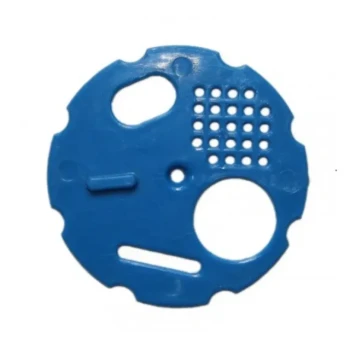
- Steel Round Disc Entrance Reducer for Flexzion Bee Hive Nuc Box Gate
- Beehive Entrance Reducer Guardian Metal Hive Entrance for Bees
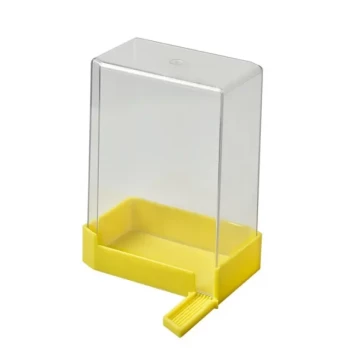
- Professional Hive Front Entrance Bee Feeder
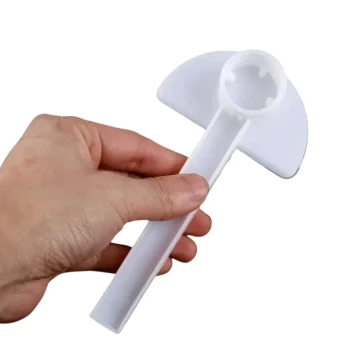
- HONESTBEE Entrance Bee Feeder Efficient Hive Front Liquid Feeding Solution for Beekeeping
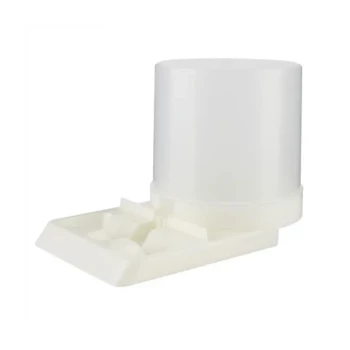
- HONESTBEE Entrance Bee Feeder Professional Hive Nutrition Solution for Beekeeping
Related Articles
- Strategic Entrance Reducer Management: From Hive Defense to Colony Growth Optimization
- Mastering Entrance Reducers: Seasonal Strategies for Hive Defense and Health
- A Question of Access: Why the Hive Entrance is a Beekeeper's Most Critical Control Point
- Defensible Space: How a Simple Tool Reduces a Bee Colony's Collective Stress
- More Than a Block of Wood: How the Hive Entrance Reducer Governs a Colony's Fate