New beekeepers often underestimate the importance of proper feeding for nucleus hives—small starter colonies that need careful nutritional support to thrive. This guide breaks down the science-backed methods to feed your bees effectively, avoid common pitfalls, and ensure your colony grows into a healthy, productive hive.
Feeding New Nucleus Hives: Why It’s Critical for Colony Survival
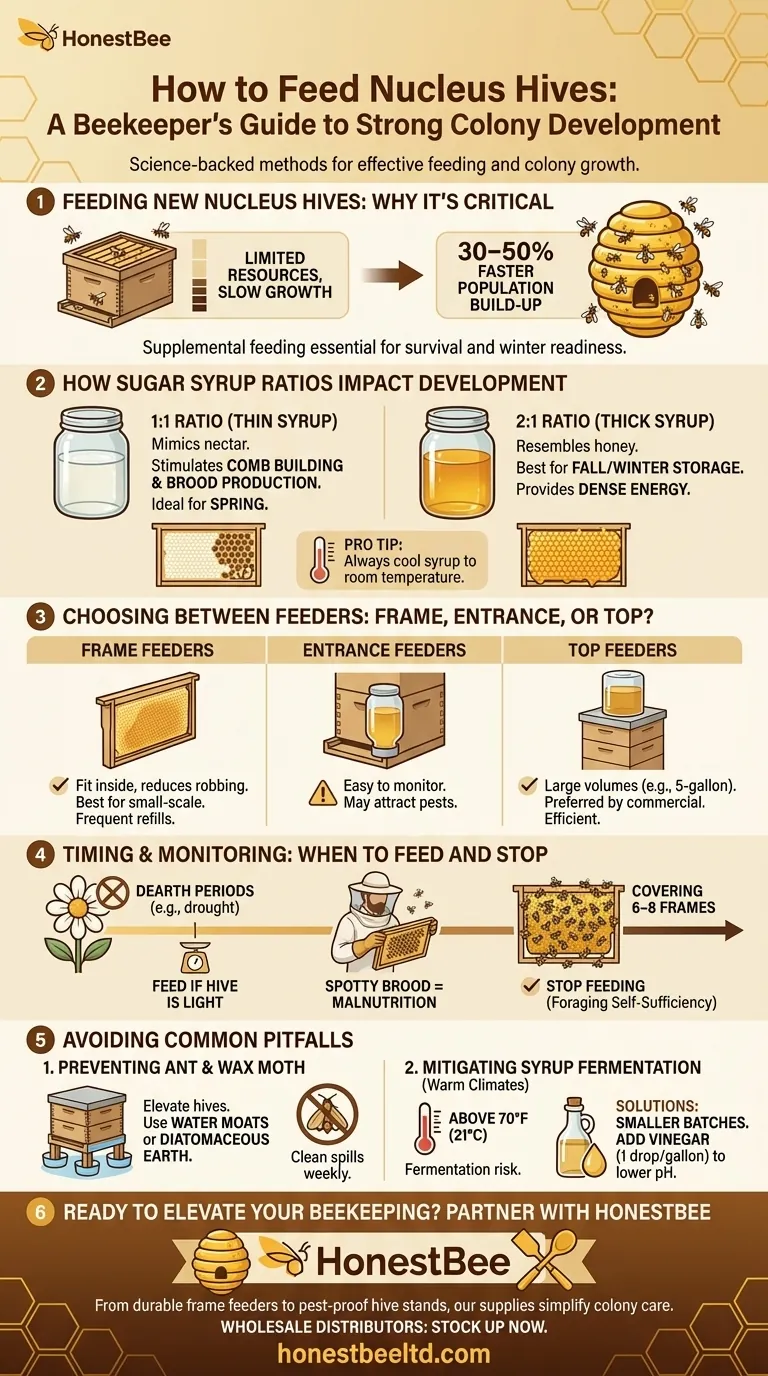
Nucleus hives (nucs) have limited worker bees and stored resources, making supplemental feeding essential for survival. Without it, colonies may starve before establishing enough foragers or comb. Research shows that well-fed nucs build worker populations 30–50% faster than underfed ones, directly impacting honey production and winter readiness.
How Sugar Syrup Ratios Impact Hive Development
- 1:1 Sugar-to-Water Ratio (Thin Syrup): Mimics natural nectar, ideal for comb building and stimulating brood production.
- 2:1 Ratio (Thick Syrup): Resembles honey, best for fall/winter storage when bees need dense energy reserves.
Pro Tip: Always cool syrup to room temperature before feeding to prevent hive overheating.
Choosing Between Feeders: Frame, Entrance, or Top?
-
Frame Feeders
- Fit inside the hive like a frame, reducing robbing risks.
- Best for small-scale beekeepers; require frequent refills.
-
Entrance Feeders
- Easy to monitor but may attract pests like ants.
-
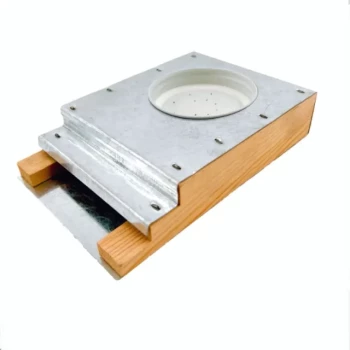
Top Feeders
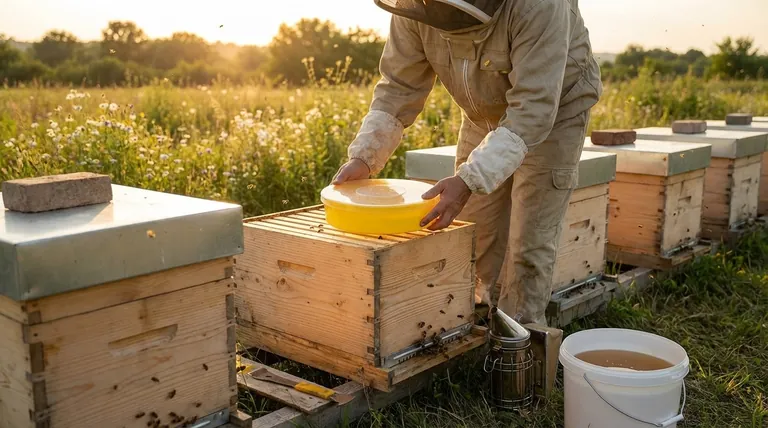
- Hold larger volumes (e.g., 5-gallon buckets), preferred by commercial apiaries for efficiency.
Timing and Monitoring: When to Feed and When to Stop
Identifying Nectar Dearth vs. Natural Foraging Readiness
- Feed during dearth periods (e.g., drought or early spring) when flowers are scarce.
- Stop feeding once the colony covers 6–8 frames—this signals foraging self-sufficiency.
Key Indicators to Guide Feeding
- Hive Weight: Lift the back of the hive; if it feels light, bees need food.
- Brood Patterns: Spotty brood may indicate malnutrition.
Avoiding Common Pitfalls in Supplemental Feeding
1. Preventing Ant Invasions and Wax Moth Attraction
- Elevate hives on stands with water moats or apply food-grade diatomaceous earth around legs.
- Avoid spills—clean feeders weekly to deter wax moths.
2. Mitigating Sugar Syrup Fermentation in Warm Climates
- Fermentation occurs when syrup exceeds 60–70°F (15–21°C) for prolonged periods.
-
Solutions:
- Use smaller batches of syrup (enough for 2–3 days).
- Add a drop of vinegar per gallon to lower pH and inhibit microbial growth.
Ready to Elevate Your Beekeeping? Partner with HONESTBEE
Whether you’re a hobbyist or manage commercial apiaries, HONESTBEE’s beekeeping supplies—from durable frame feeders to pest-proof hive stands—are designed to simplify colony care. Wholesale distributors: Stock up on equipment that balances affordability with proven performance.
Support your bees’ journey from nuc to thriving hive—explore our solutions today.
Visual Guide
Related Products
- 3.5L Plastic Beehive Frame Feeder Deep Frame Water Feeder for In Hive Use
- Professional Hive Front Entrance Bee Feeder
- In-Hive Dual Compartment Frame Bee Feeder for Targeted Colony Nutrition
- Classic Boardman Entrance Bee Feeder Hive Front Feeding Solution
- HONESTBEE Professional Entrance Bee Feeder Hive Nutrition Solution
Related Articles
- Why Your Bees Are Starving in Winter (And How the Right Feeder Prevents It)
- Why Your Plastic Frames Are Warping—And Costing You More Than You Think
- How to Choose the Right Bee Feeder for Your Hive’s Health and Efficiency
- How to Choose Between Frame and Gravity Feeders for Healthy Honey Bee Colonies
- How to Safeguard Bee Colonies During Hive Feeding: Practical Methods for Beekeepers