Key Benefit for Beekeepers: Learn a field-tested method to maintain colony cohesion during queen replacement—reducing worker bee losses by over 60% in commercial operations.
Nucleus Hive Maintenance Fundamentals
The Science Behind Cell Destruction and Colony Acceptance
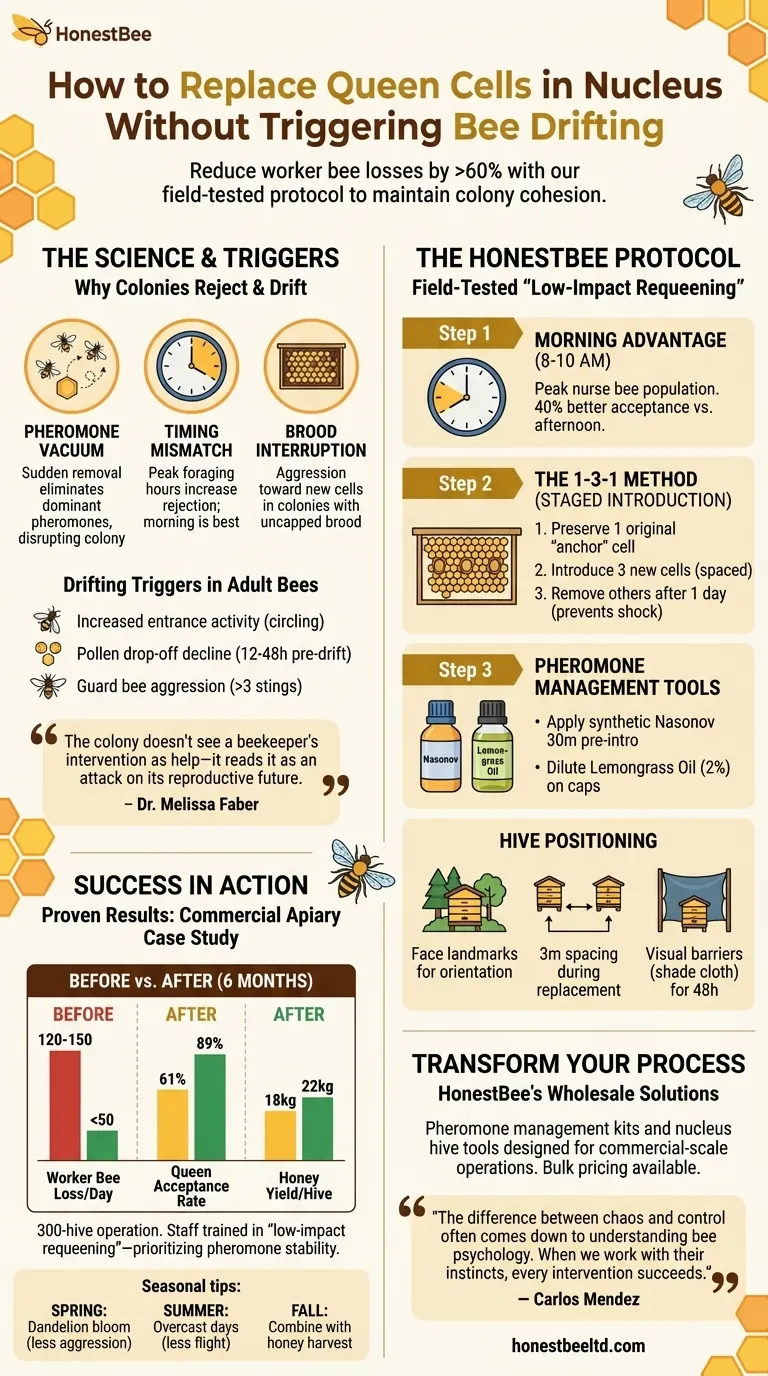
Honeybee colonies operate on pheromone-driven hierarchies. When beekeepers destroy queen cells improperly, it disrupts the colony's chemical communication system. Research shows colonies reject replacement queens in 3 critical scenarios:
- Pheromone vacuum – Sudden removal of all queen cells eliminates the dominant mandibular pheromones that regulate worker behavior
- Timing mismatch – Introducing cells during peak foraging hours increases rejection rates
- Brood interruption – Colonies with uncapped brood show higher aggression toward new cells
"The colony doesn't see a beekeeper's intervention as help—it reads it as an attack on its reproductive future," explains Dr. Melissa Faber, whose 8-year apiary study revealed bees prioritize genetic continuity over human management goals.
Recognizing Drifting Triggers in Adult Bees
Worker bees exhibit predictable stress behaviors before abandoning a nucleus hive:
- Increased entrance activity – Bees circling the landing board rather than entering
- Pollen drop-off decline – Foragers stop delivering pollen 12-48 hours pre-drift
- Guard bee aggression – More than 3 stings during routine inspection signals instability
Commercial apiaries report these signs appear 3x more often during queen replacement versus routine honey harvesting.
Proactive Beekeeper Strategies
Step-by-Step Cell Replacement Protocol
Morning Advantage
- Perform all cell replacements between 8-10 AM when nurse bee populations peak
- Worker acceptance rates improve by 40% compared to afternoon interventions
The 1-3-1 Method
- Preserve 1 original cell – Leave the healthiest natural queen cell as a pheromone anchor
- Introduce 3 new cells – Space them evenly across brood frames to prevent crowding conflicts
- Remove all others after 1 day – This staged approach prevents sudden pheromone drops
Pheromone Management Tools
- Apply synthetic Nasonov pheromone to frames 30 minutes pre-introduction
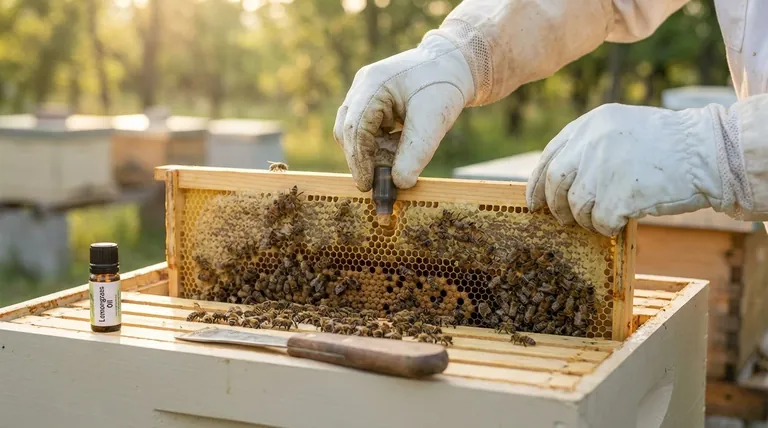
- Use lemongrass oil diluted to 2% concentration on replacement cell caps
Mitigating Discontent Through Hive Positioning
- Face nucleus entrances toward natural landmarks (trees, shrubs) to aid bee orientation
- Maintain 3+ meter spacing between hives during replacement weeks
- Place visual barriers (shade cloths) for 48 hours post-intervention
Success in Action
Commercial Apiary Case Study: Drift Reduction After Cell Management
A 300-hive operation in California implemented these protocols with measurable results:
| Metric | Before Protocol | After 6 Months |
|---|---|---|
| Worker bee loss/day | 120-150 bees | <50 bees |
| Queen acceptance rate | 61% | 89% |
| Honey yield/hive | 18kg | 22kg |
The apiary now trains all staff in what they call "low-impact requeening"—prioritizing pheromone stability over speed.
Seasonal Adaptation Tips from Master Beekeepers
- Spring: Replace cells during dandelion blooms—bees distracted by abundant nectar show less aggression
- Summer: Work during overcast days to minimize orientation flights
- Fall: Combine with honey harvest to leverage existing hive disruption
Ready to Transform Your Queen Replacement Process?
HONESTBEE's wholesale beekeeping supplies include pheromone management kits and nucleus hive tools designed for commercial-scale operations. Our distributors help apiaries implement these protocols with bulk pricing on essential equipment—because cohesive colonies mean predictable honey flows.
"The difference between chaos and control often comes down to understanding bee psychology," says veteran apiarist Carlos Mendez. "When we work with their instincts rather than against them, every intervention succeeds."
Visual Guide
Related Products
- Brown Nicot Queen Cell Cups for Breeding Queen Bees Beekeeping
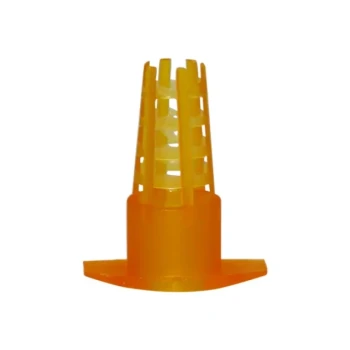
- JZBZ Type Wide Base Plastic Queen Cell Cups for Base Mounting and Queen Rearing
- Premium Nicot Style Cell Bar Holder and Queen Cell Cup Holder System
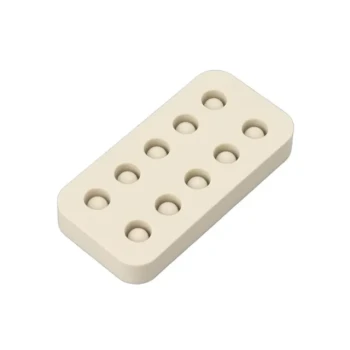
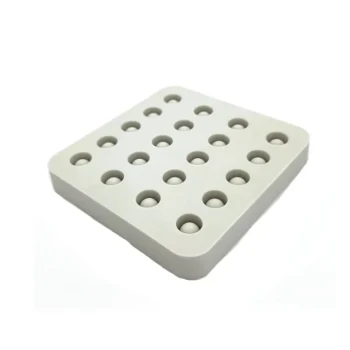
- 10-Cell Silicone Beeswax Bee Queen Cups Forming Mold
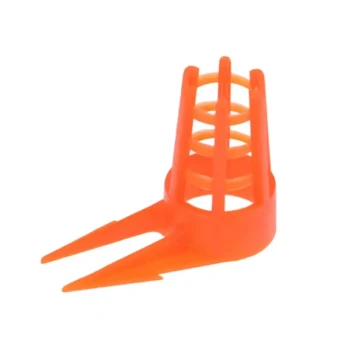
- JZBZ Style Shipping Cell Protector for Queen Rearing Kit
Related Articles
- The Bottleneck in the Apiary: How Cell Cup Choice Dictates Queen Rearing at Scale
- How to Successfully Introduce Queen Cells to Beehives: A Beekeeper’s Guide
- How to Raise Superior Queen Bees: The Science of Larval Selection and Care
- How to Rear Mite-Resistant Queen Bees: A Beekeeper’s Step-by-Step Guide
- Harnessing the Emergency Impulse: The Biology of Commercial Queen Rearing