The Art of Absence
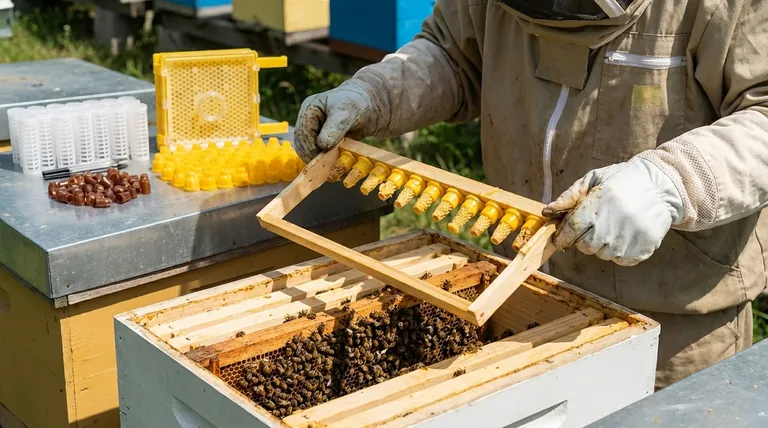
A beekeeper slides a new frame into a buzzing hive. To the untrained eye, it's a simple act of maintenance. But for a commercial apiary, this moment is a carefully engineered event—the culmination of a deep understanding of social biology.
The goal isn't just to make a new queen. The goal is to convince a superorganism of thousands to build one for you, to your exact specifications.
Success in queen rearing is not a mechanical achievement. It is a psychological one. It hinges on skillfully creating a single, powerful condition: queenlessness.
The Psychology of the Hive: A Pheromonal Monarchy
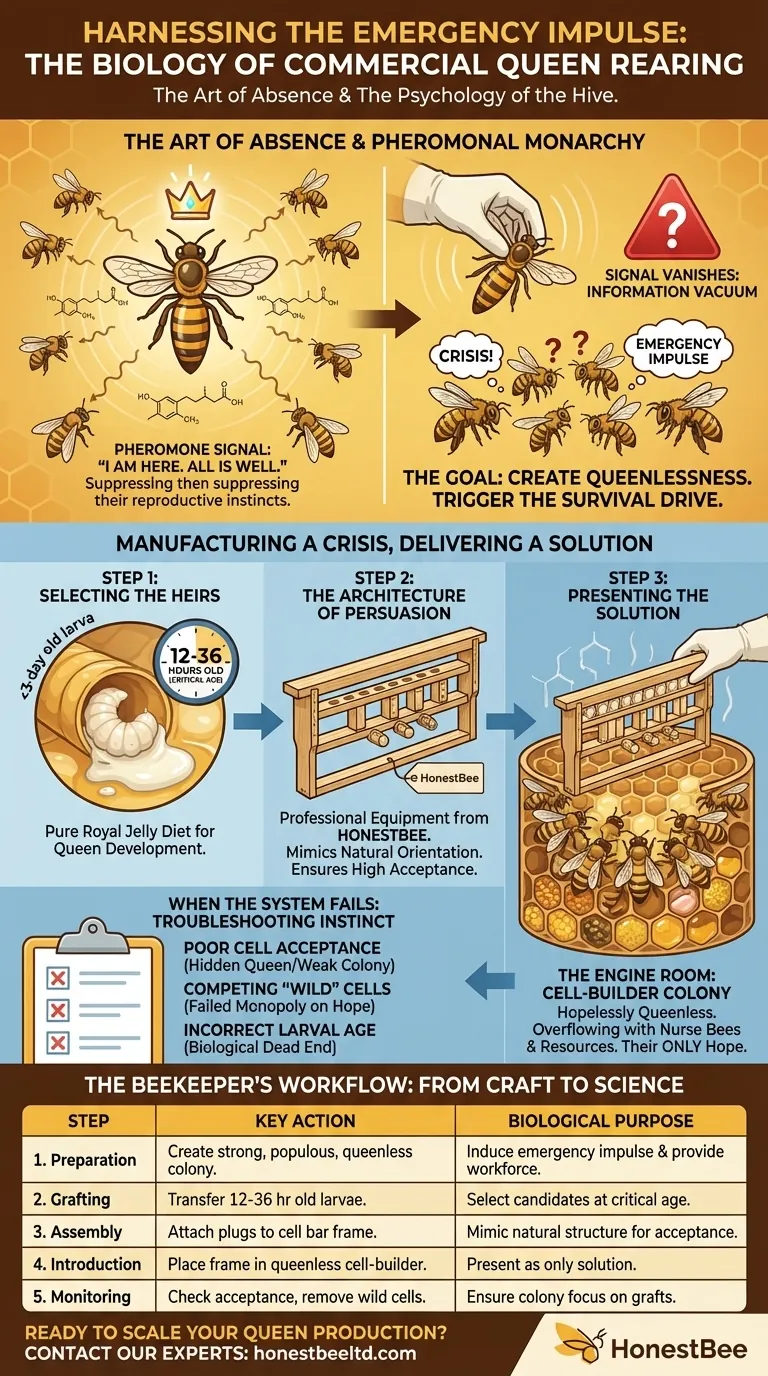
A honey bee colony operates like a monarchy governed by chemistry. The queen produces a constant stream of pheromones, a complex scent that carries a simple message: "I am here. I am fertile. All is well."
This signal suppresses the ovaries of worker bees and, crucially, stifles their instinct to raise a new queen. It is the invisible force that maintains social order.
When the queen is removed, that signal vanishes. The pheromonal broadcast goes silent. Within hours, the colony enters a state of crisis. This absence of information creates an information vacuum—a state of emergency.
This is the "emergency impulse," a colony-wide survival drive more powerful than almost any other. Their singular focus becomes creating a successor to ensure the colony's future. Our work begins by harnessing this predictable panic.
Manufacturing a Crisis, Delivering a Solution
The mechanical steps of queen rearing are straightforward. But their purpose is biological. We are not just moving larvae; we are presenting our chosen candidates as the only viable solution to the colony's existential crisis.
Step 1: Selecting the Heirs
The process starts by selecting female larvae that are less than three days old—ideally, between 12 and 36 hours.
This age is non-negotiable. Only at this stage can a diet of pure royal jelly trigger the profound physiological changes that transform a potential worker into a queen. Older larvae are a biological dead end, and the bees know it.
Step 2: The Architecture of Persuasion
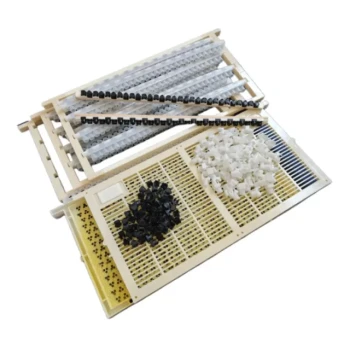
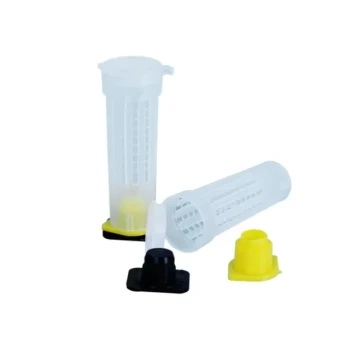
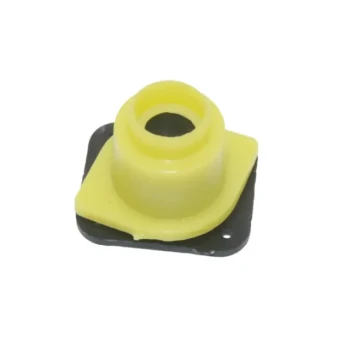
The selected larvae, housed in their small cell plugs, are transferred onto cell bars. These bars are attached to a frame, creating a structure that mimics the vertical orientation of natural queen cells.
This is where equipment quality becomes paramount for commercial operations. The precision of the rearing kit, the secure fit of the cell caps, and the durability of the frame are not just conveniences; they are instruments of persuasion. For scaling operations, using reliable, professional-grade equipment from HONESTBEE ensures that your carefully timed efforts aren't undermined by poor acceptance due to faulty hardware.
Step 3: Presenting the Solution
The prepared frame is placed into the heart of a specially prepared "cell-builder" colony. You have manufactured a crisis, and now you are delivering the only possible answer.
The Engine Room: The Cell-Builder Colony
The success of this entire venture rests on the quality of the cell-builder colony. It is the engine room, the factory floor, and the nursery all in one.
A strong cell-builder is overflowing with young nurse bees, the ones physiologically primed to produce the vast quantities of royal jelly required. It must also be rich in pollen and honey, the fuel for this resource-intensive process.
Most importantly, it must be hopelessly queenless. This means no queen, no existing queen cells, and absolutely no other eggs or young larvae. The bees must believe your candidates are their only hope. If they have other options, they will take them.
When the System Fails: Troubleshooting Instinct
Sometimes, the bees reject the plan. This isn't a random act; it's a logical response to a flaw in the system you've created.
- Poor Cell Acceptance: The bees ignore your cells. This almost always means the colony isn't truly convinced of the emergency. It might be too weak, lack nurse bees, or—most commonly—it has a hidden queen or queen cell you missed.
- Competing "Wild" Cells: The bees build their own queen cells elsewhere. This means you failed to establish a monopoly on hope. You left other young larvae in the hive, and the bees chose their own candidates over yours.
- Incorrect Larval Age: You grafted larvae that were too old. The bees recognized they couldn't become viable queens and wisely ignored them, conserving their resources.
Summary: The Beekeeper's Workflow
| Step | Key Action | Biological Purpose |
|---|---|---|
| 1. Preparation | Create a strong, populous, queenless colony. | Induce the "emergency impulse" and provide the workforce. |
| 2. Grafting | Transfer 12-36 hour old larvae into cell plugs. | Select candidates at the critical age for queen development. |
| 3. Assembly | Attach plugs to a cell bar frame. | Mimic natural queen cell structure for bee acceptance. |
| 4. Introduction | Place the frame into the queenless cell-builder. | Present your chosen larvae as the only solution. |
| 5. Monitoring | Check for acceptance and remove any wild cells. | Ensure the colony's energy is focused on your grafts. |
Commercial queen rearing is the art of turning a deep understanding of bee biology into a predictable, scalable process. It’s a partnership where we guide a colony's most powerful instinct toward a specific, profitable outcome. By mastering the conditions, not just the motions, you transform beekeeping from a craft into a science.
If your operation is ready to scale its queen production with consistency and quality, we can provide the tools and expertise to build a more robust system. Contact Our Experts
Visual Guide
Related Products
- Jenter Queen Rearing Kit Complete Set for Bee Breeding
- No Grafting Queen Rearing Kit: System for Royal Jelly Production and Queen Rearing
- Premium Nicot Style Queen Rearing Kit with Hair Roller Bee Cages
- Retractable Chinese Queen Rearing Grafting Tools Equipment
- Nicot Queen Rearing Kit for Beekeeping and Grafting in Nicot System
Related Articles
- Mastering Queen Rearing: A Beekeeper’s Guide to Reliable Production
- The Art of Deception: Integrating Queen Rearing Kits into the Hive Mind
- How to Maximize Queen Bee Survival After Marking: Science-Backed Handling Protocols
- How Queen Bee Aging Impacts Hive Health and Science-Backed Requeening Solutions
- How to Safely Introduce a New Queen Bee Without Colony Rejection