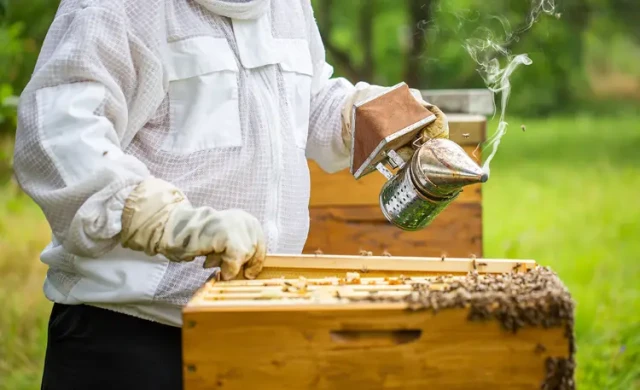
Beekeeping requires precision, especially when using a smoker—a tool that can either protect your colony or inadvertently harm it. This guide combines bee biology with advanced techniques to help you master smoker use, ensuring hive inspections are safe, efficient, and minimally disruptive.
The Science of Smoke and Bee Behavior
How Smoke Disrupts Alarm Pheromones
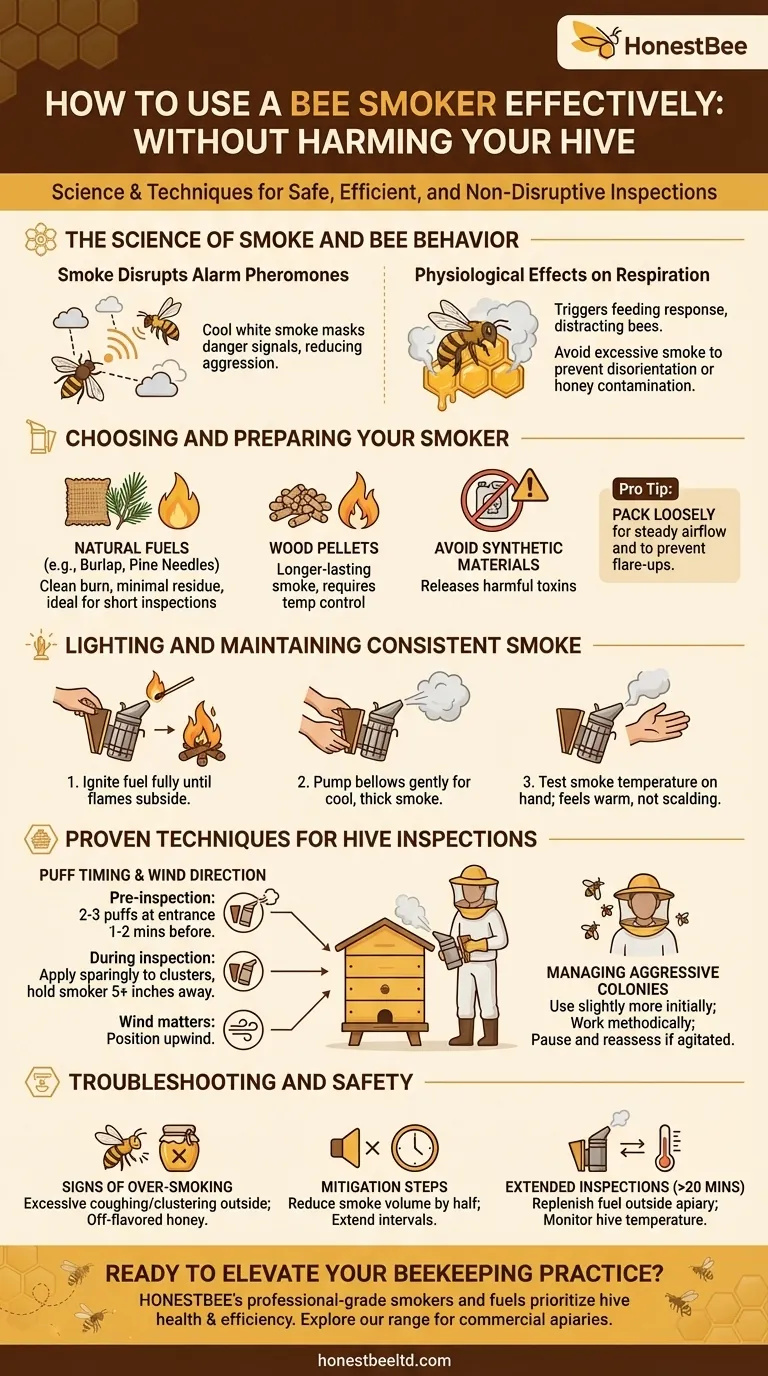
Bees communicate danger through alarm pheromones, triggering defensive behavior. Smoke masks these chemical signals, temporarily reducing aggression. Research shows cool white smoke is most effective—it’s gentle enough to avoid stressing bees while blocking pheromone transmission.
Physiological Effects on Honeybee Respiration
Smoke triggers a feeding response in bees, causing them to gorge on honey. This instinctive behavior distracts them from perceived threats. However, excessive smoke can overwhelm their respiratory systems, leading to disorientation or even honey contamination. The key? Brief, controlled exposure.
Choosing and Preparing Your Smoker
Fuel Types Compared: Safety, Duration, and Bee Response
- Natural fuels (e.g., burlap, pine needles): Burn cleanly with minimal residue, ideal for short inspections.
- Wood pellets: Provide longer-lasting smoke but require careful temperature control.
- Avoid synthetic materials: They can release toxins harmful to bees and honey quality.
Pro Tip: Pack fuel loosely to ensure steady airflow and prevent flare-ups.
Lighting and Maintaining Consistent Smoke
- Ignite fuel fully until flames subside, leaving embers.
- Pump the bellows gently to produce cool, thick smoke.
- Test smoke temperature on your hand—it should feel warm, not scalding.
Proven Techniques for Hive Inspections
Puff Timing and Wind Direction Considerations
- Pre-inspection: 2–3 puffs at the hive entrance 1–2 minutes before opening.
- During inspection: Apply smoke sparingly to dense bee clusters, holding the smoker at least 5 inches away.
- Wind matters: Position yourself upwind to direct smoke smoothly into the hive.
Managing Aggressive Colonies Without Over-Smoking
For defensive hives:
- Use slightly more smoke initially to suppress pheromones.
- Work methodically; rapid movements undo the calming effect.
- If bees remain agitated, pause and reassess—over-smoking risks honey absorption of smoky flavors.
Troubleshooting and Safety
Signs of Over-Smoking and Mitigation Steps
- Bee behavior: Excessive coughing or clustering outside the hive.
- Honey quality: Off-flavors detected post-inspection.
Solution: Reduce smoke volume by half in future sessions and extend intervals between puffs.
Protecting Hive Health During Extended Inspections
For inspections lasting over 20 minutes:
- Replenish fuel outside the apiary to avoid startling bees.
- Monitor hive temperature—smoke can raise internal heat slightly.
Ready to Elevate Your Beekeeping Practice?
HONESTBEE’s professional-grade smokers and fuels are designed for commercial apiaries and distributors who prioritize hive health and efficiency. Explore our range to find tools that balance performance with bee safety—because thriving colonies start with the right equipment.
Visual Guide
Related Products
- Stainless Steel Honey Bee Smoker Hive and Honeycomb Smoker for Beekeeping
- Professional Bee Smoker with Elongated Spout and Durable Bellows for Beekeeping
- Premium Traditional Copper Bee Smoker with Bellows
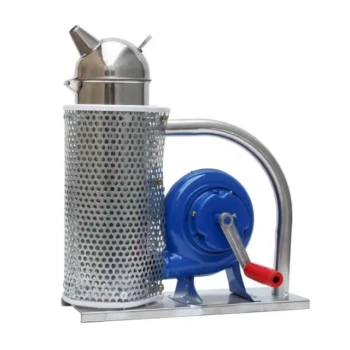
- Heavy Duty Manual Bee Smoker Blower for Beekeeping
- European Stainless Steel Bee Smoker for Honey Bee Hive
Related Articles
- The End of 'Hot Hives': Why Your Bee Smoker Is More Important Than Your Suit
- Why Your Bee Smoker Might Be Making Your Hives More Aggressive—And How to Fix It
- Why Your Bee Smoker Keeps Going Out—And the 3-Layer Fix
- How to Operate a Bee Smoker Safely: Expert Techniques for Calmer Hives
- How to Choose the Right Bee Smoker Size for Your Beekeeping Operation