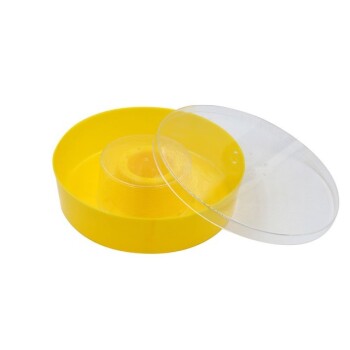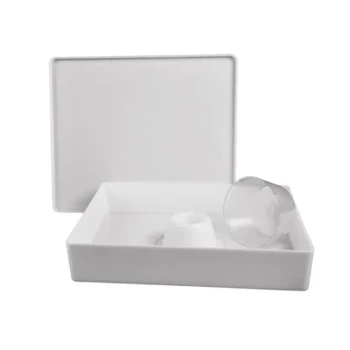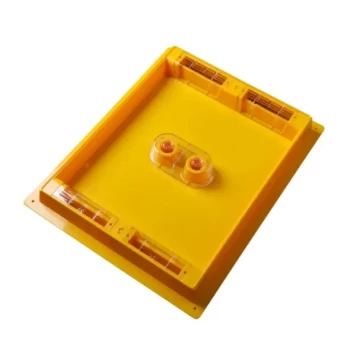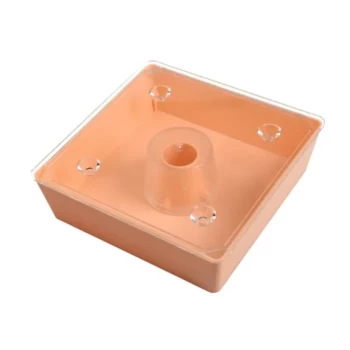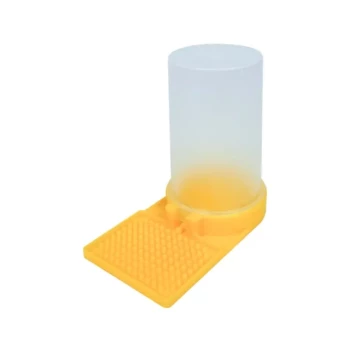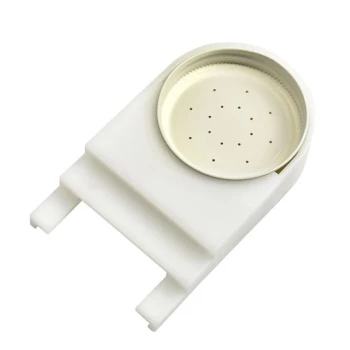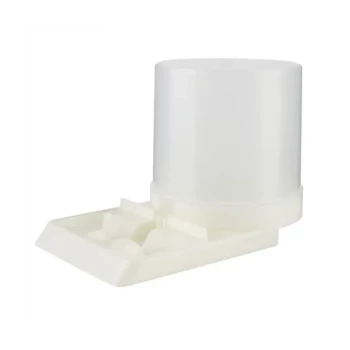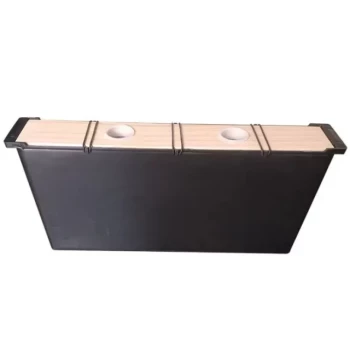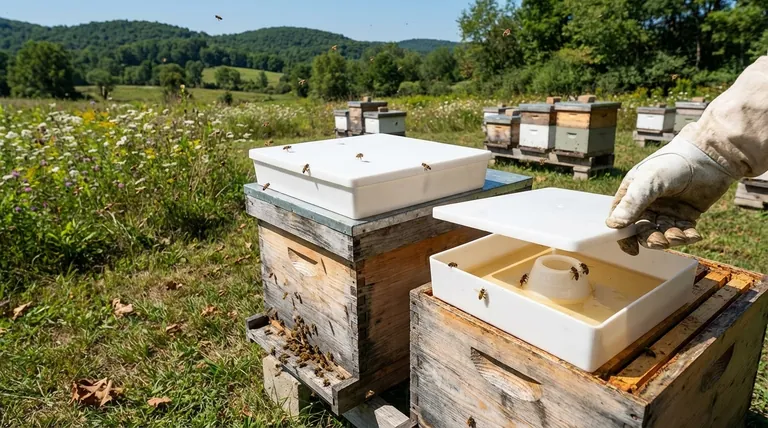
For commercial beekeepers and apiary managers, optimizing hive nutrition while minimizing operational disruptions is a constant challenge. Top feeders have emerged as the preferred solution, outperforming traditional feeding methods in protecting colony health, reducing labor, and preventing common issues like robbing or contamination.
Why Bee Nutrition Demands Precision
Bees require consistent access to clean, properly balanced syrup—especially during critical seasons like spring buildup or winter preparation. Poor feeding systems can:
- Accelerate syrup evaporation under direct sunlight
- Attract pests through exposed liquid surfaces
- Force frequent hive openings that disturb colony thermoregulation
The Science of Syrup Protection
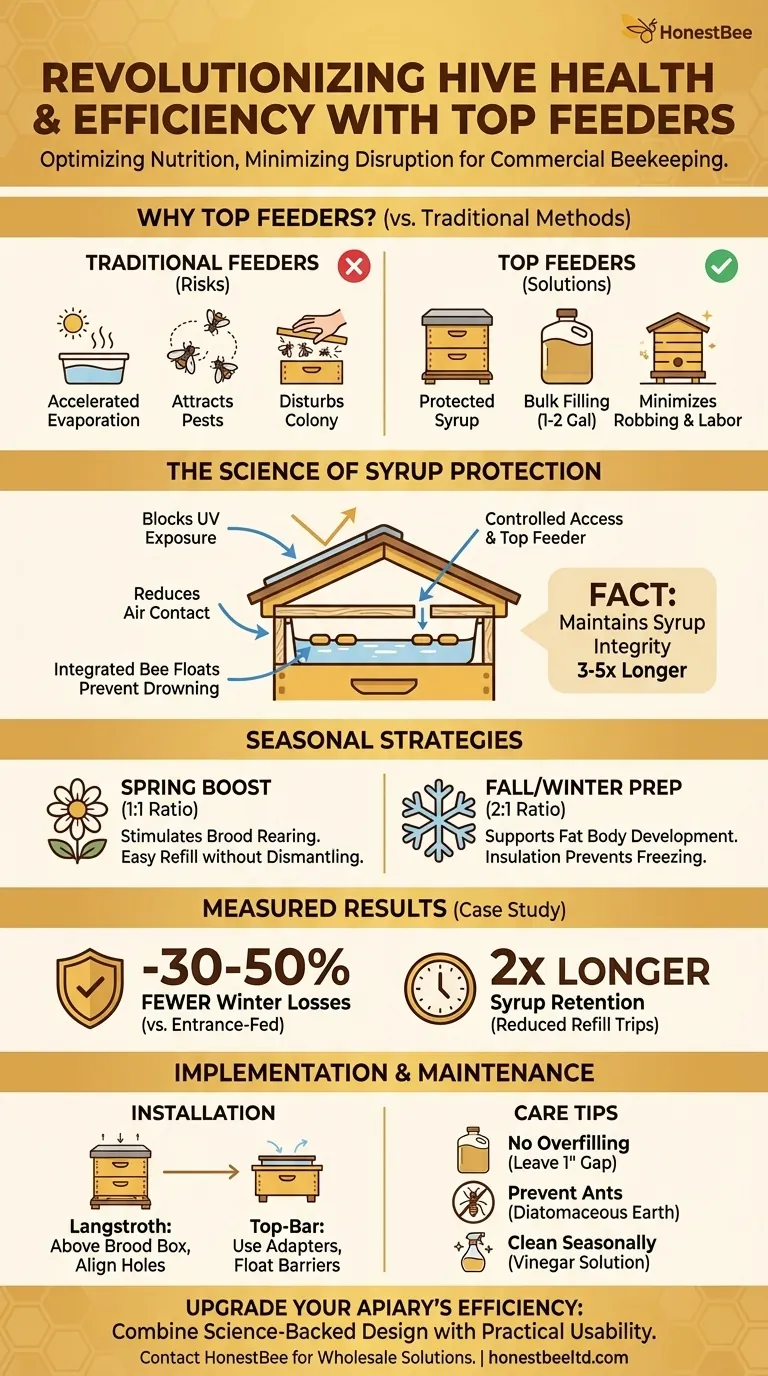
Research shows top feeders maintain syrup integrity 3-5x longer than open feeders by:
- Blocking UV exposure with covered designs
- Reducing air contact via controlled access points
- Preventing drownings with integrated bee floats
How Top Feeders Solve Problems Other Feeders Can’t
Unlike frame or entrance feeders, top feeders:
✔ Minimize robbing by keeping syrup inside the hive body
✔ Enable bulk filling (holding 1-2 gallons vs. 1 quart in frame feeders)
✔ Operate temperature-resiliently, avoiding winter leaks common in plastic alternatives
Seasonal Strategies for Optimal Feeding
Spring Boost vs. Winter Prep: Adjusting Feeder Use
- Spring (1:1 sugar-water ratio): Stimulates brood rearing with easily digestible syrup. Top feeders allow beekeepers to replenish supplies without dismantling hive stacks.
- Fall/Winter (2:1 ratio): Thick syrup supports fat body development. The feeder’s insulation properties prevent freezing in outer-frame setups.
Case Study: Hive Survival Rates
Apiaries using top feeders report:
- 30-50% fewer winter losses compared to entrance-fed hives
- 2x longer syrup retention, reducing refill trips during critical dearth periods
Implementing Top Feeders Effectively
Step-by-Step Installation for Different Hive Types
-
Langstroth Hives:
- Remove outer cover and inner lid
- Place feeder directly above brood box
- Ensure bee access holes align with frames
-
Top-Bar Hives:
- Use adapters to create a sealed upper cavity
- Install float barriers to prevent drownings
Avoiding Common Mistakes
- Overfilling: Leave 1" air gap to prevent overflow during bee activity
- Ant Invasions: Apply food-grade diatomaceous earth to hive stands
- Mold Prevention: Clean reservoirs between seasonal use with vinegar solutions
Upgrade Your Apiary’s Efficiency
HONESTBEE’s top feeders are engineered for commercial-scale reliability, helping distributors and large apiaries reduce labor costs while improving colony health. [Contact our team] to explore wholesale solutions tailored to your operation’s needs.
Key Takeaway: By combining science-backed design with practical usability, top feeders address the dual priorities of modern beekeeping—sustaining hive vitality while streamlining operational workflows.
Visual Guide
Related Products
- HONESTBEE Round Hive Top Bee Feeder for Syrup
- HONESTBEE Professional Hive Top Bee Feeder Feeding Solution
- Professional Hive Top Bee Feeder for Beekeeping
- HONESTBEE Square Top Hive Bee Feeder Top Bee Feeder
- Rapid Bee Feeder White Plastic 2L Round Top Feeder for 8 or 10-Frame Bee Hives
Related Articles
- How Round Hive Top Feeders Solve 3 Critical Beekeeping Challenges
- How to Choose the Right Bee Feeder for Your Hive’s Health and Efficiency
- How to Choose Between Frame and Gravity Feeders for Healthy Honey Bee Colonies
- How to Prevent Bee Drowning in Top Feeders Without Sacrificing Efficiency
- The Winter Fortress: Engineering Colony Survival with the Hive Top Feeder