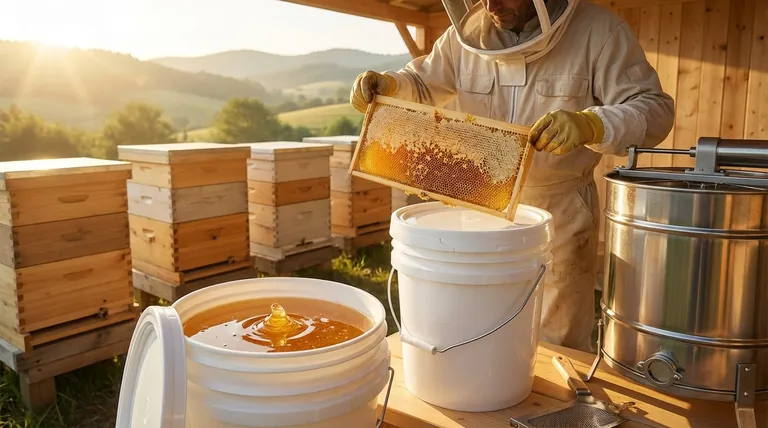
It’s a scenario that’s painfully familiar to many beekeepers. You go to move a full, five-gallon container of your best honey, and the handle snaps. In an instant, sixty pounds of liquid gold—the result of countless hours of work—is an unsalvageable, sticky disaster on your workshop floor. As you stare at the mess, the frustrating question hits: was it worth saving a few dollars on a cheap bucket?
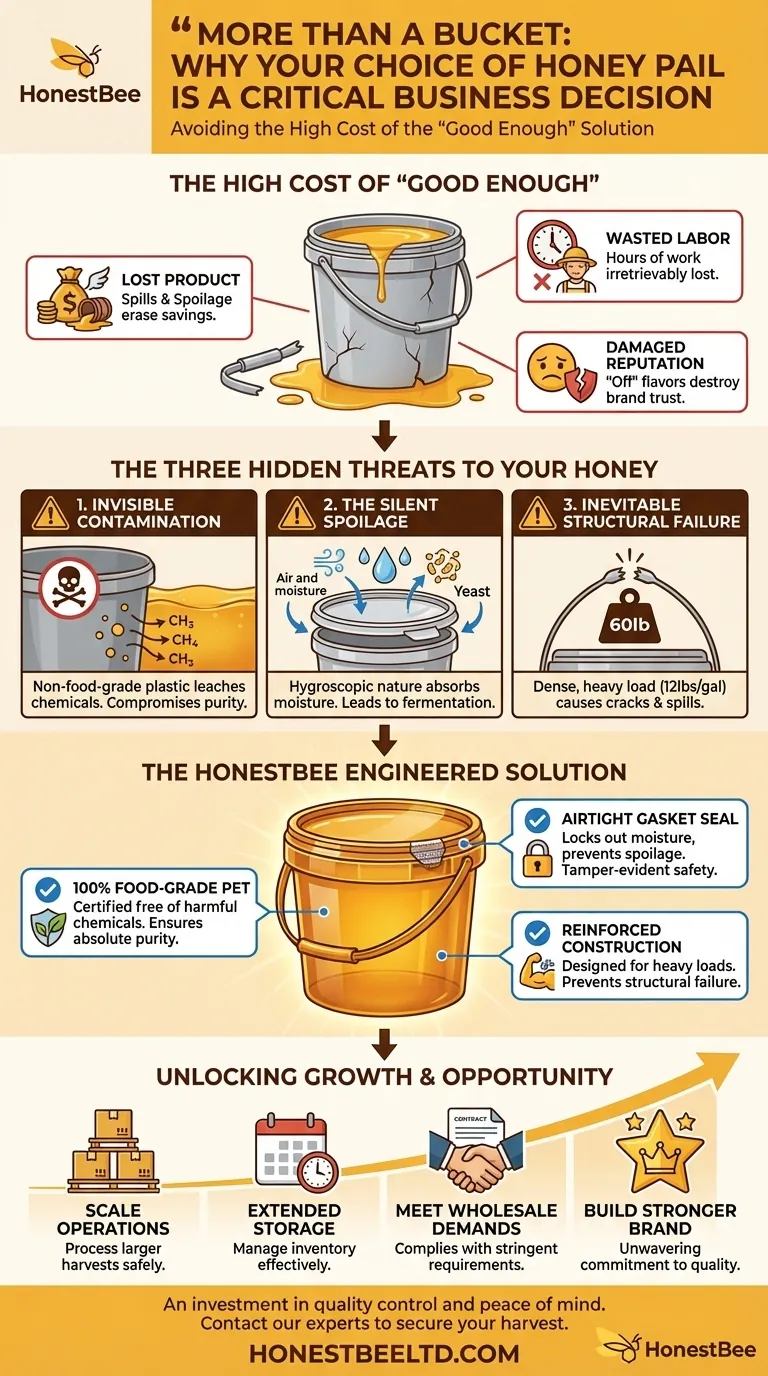
The High Cost of the ‘Good Enough’ Bucket
This kind of catastrophic failure is just the most visible symptom of a much larger problem. In the world of commercial beekeeping, the temptation to cut costs by using generic hardware store pails or repurposed food containers is common. It feels like a smart, frugal choice. In reality, it’s often a costly mistake that introduces risks far greater than the initial savings.
These "good enough" solutions are a gamble, and the stakes are high:
- Lost Product: Beyond dramatic spills, improper lids allow moisture to seep in, leading to fermentation that can spoil an entire batch. A single lost pail of honey can erase the savings from a hundred cheap buckets.
- Wasted Labor: Every pound of spoiled or spilled honey represents hours of intensive labor—from hive management and extraction to filtering and processing—that is now completely wasted.
- Damaged Reputation: The most dangerous risk is invisible. A customer, whether a distributor or an end-consumer, detects a faint "off" flavor from chemicals leached out of non-food-grade plastic. That single experience can permanently damage trust in your brand and jeopardize future sales.
These consequences aren't just operational headaches; they directly impact your profitability and the long-term viability of your business.
Why It Fails: The Three Hidden Threats to Your Honey
The reason generic buckets consistently fail is that they are the wrong tool for the job. They ignore the unique properties of honey and the specific threats it faces during storage and transport. The problem isn’t a single flaw; it's a failure on three fundamental levels.
Threat #1: The Invisible Contamination
A standard bucket is not made from certified food-grade plastic. It can contain dyes, recycled plastics of unknown origin, and chemical release agents from the molding process. These compounds can slowly leach into your honey, altering its pure flavor and, in a worst-case scenario, rendering it unsafe for consumption. Honey is a premium, natural product; its value is rooted in its purity. Using a non-food-grade container directly compromises that value.
Threat #2: The Silent Spoilage
Honey is hygroscopic, meaning it acts like a sponge for moisture in the air. A simple snap-on lid from a hardware store bucket is not airtight. It allows a constant, slow exchange of air. Over time, the honey absorbs enough moisture to raise its water content above the critical 18% threshold, creating the perfect environment for yeast to grow and fermentation to begin. This is why a batch that was perfect when stored can be spoiled weeks or months later.
Threat #3: The Inevitable Structural Failure
Honey is incredibly dense and heavy, weighing about 12 pounds (5.4 kg) per gallon. A five-gallon pail holds a sustained, 60-pound load. Generic buckets and their thin plastic handles are simply not engineered for that kind of stress. They are designed for paint, spackle, or water—not the unique, heavy load of honey. Under this constant weight, the plastic can warp, crack, or the handle can fail, leading to the disastrous spills that every beekeeper dreads.
The Right Tool for the Job: An Engineered Solution
To truly protect your harvest, you need more than just a container. You need a system specifically designed to counteract these three threats. This means choosing a pail where every feature is a deliberate defense of your honey's quality.
A professional honey pail isn't just a better bucket; it's the physical embodiment of a proper storage strategy. HONESTBEE’s honey pails are engineered based on a deep understanding of these challenges:
- To defeat chemical leaching, our pails are made from 100% food-grade PET plastic, certified to be free of harmful chemicals and dyes, ensuring the absolute purity of your honey.
- To prevent spoilage, they feature secure, gasketed lids that create an airtight seal, locking out moisture and protecting your honey from fermentation. The tamper-evident seal also provides a guarantee of quality to your customers.
- To eliminate structural failure, our pails are robustly constructed with reinforced walls and integrated handles designed to comfortably and safely manage the full weight of honey, season after season.
This isn't about over-engineering; it's about providing the precise, necessary features to protect a valuable product.
Beyond Protection: How the Right Pail Unlocks Growth
When you stop worrying about whether your containers will fail, you can focus on what truly matters: growing your business. Using the right equipment moves you from a defensive position of preventing loss to an offensive position of creating new opportunities.
With the confidence that your honey is secure, you can:
- Scale your operations and process larger harvests without fear of equipment failure.
- Store honey for longer periods, allowing you to manage inventory more effectively and sell when market conditions are most favorable.
- Meet the stringent requirements of wholesale partners and distributors who demand professional, food-safe packaging like tamper-evident seals.
- Build a stronger brand reputation based on an unwavering commitment to quality, from the hive all the way to the final customer.
Ultimately, a honey pail isn't an expense; it's an investment in quality control, brand integrity, and your own peace of mind.
Your hard work deserves to be protected by equipment that is up to the task. If you're ready to move beyond "good enough" and secure your harvest with professional-grade supplies, our team is here to help you find the right solutions for your operational scale and business goals. Let's discuss how the right equipment can protect your product and support your growth. Contact Our Experts.
Visual Guide
Related Products
- Food Grade Plastic Honey Bucket Pail for Beekeeping
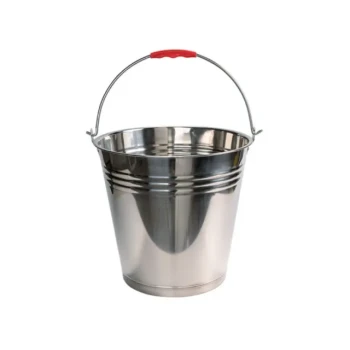
- Premium Stainless Steel Honey Tank Bucket Pail with Reinforced Handle and Polished Finish
- Plastic Honey Gate Spout with Wing Nut for Beekeeping Honey Bucket
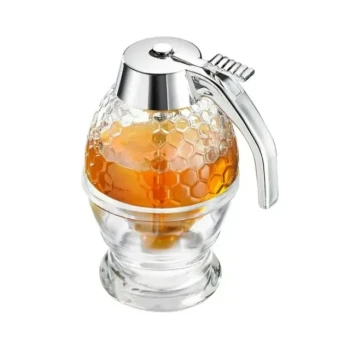
- Honeycomb Style Drip Free Honey Dispenser
- Stainless Steel Pail Perch Bucket Bench
Related Articles
- Why Honey Buckets Are So Hard to Open—And the Right Way to Do It
- The Last Mile: Why Your Honey Bucket Defines Your Harvest's Quality
- Anatomy of Trust: The Engineering of a Proper Honey Pail
- Containing Liquid Gold: The Silent Engineering Inside Every Honey Jar
- How to Choose Honey Storage Containers That Prevent Spoilage and Extend Shelf Life