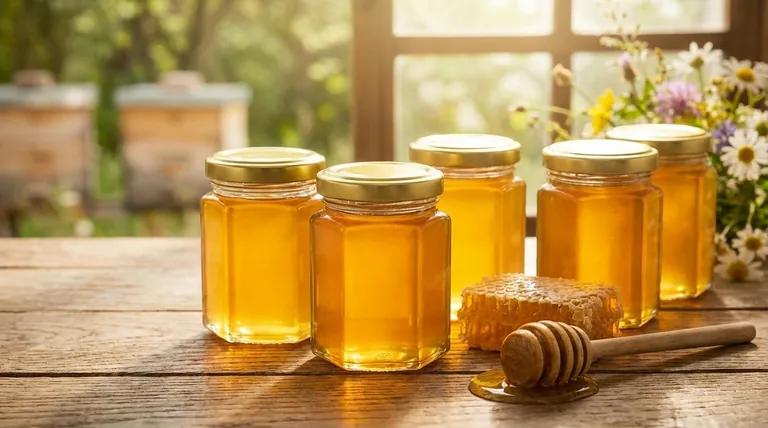
The Last, Most Critical Step
Imagine a commercial beekeeper after a successful harvest. Months of work, dedicated to the health of the hives and the quality of the nectar flow, have resulted in drums of pure, fragrant honey. The flavor profile is perfect, a unique fingerprint of the local flora.
Yet, all of this effort can be undone in the final step: packaging.
A poorly chosen container isn't just a box. It's a potential failure point where a premium product can be slowly, silently degraded before it ever reaches the customer. The act of packaging honey is not mere containment; it is the active preservation of its integrity.
The Physics of Preservation: A Battle Against Time and Air
At its heart, honey is a supersaturated sugar solution with a low water content. This gives it remarkable stability, but also makes it vulnerable to its environment. Every packaging decision is a choice in a quiet battle against physics.
The Hygroscopic Dilemma
Honey is intensely hygroscopic. It actively pulls moisture from the air. A lid that isn't perfectly airtight is an open invitation for water to seep in.
As the water content rises, dormant wild yeasts awaken. This triggers fermentation, souring the honey, creating off-flavors, and destroying the very quality the beekeeper worked so hard to achieve. An airtight seal isn't a feature; it's a non-negotiable line of defense.
Guarding the Volatile Soul
The distinct aroma of orange blossom or clover honey comes from delicate, volatile compounds. A secure, non-reactive container acts as a vault, locking in this aromatic signature.
Improper materials or seals allow these notes to escape, leaving the honey tasting flat and one-dimensional. The packaging must protect the honey's very identity.
The Invisible Threat of Light
Sunlight, specifically UV radiation, is another silent enemy. It can darken honey and degrade its natural enzymes and beneficial properties over time.
This presents a fundamental trade-off. A clear container beautifully showcases the product, but a dark or opaque one offers superior protection. The choice is a deliberate balance between marketing and preservation.
The Psychology of Perception: What the Container Tells the Customer
The choice of container does more than protect the honey. It sends a powerful, non-verbal message to the consumer, tapping into deep-seated psychological biases about quality, trust, and value.
The Weight of Trust: Glass
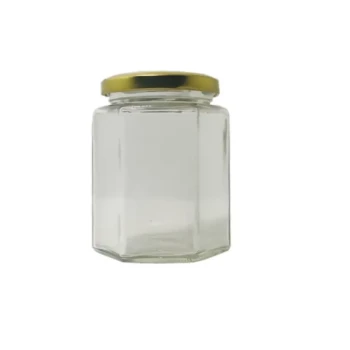
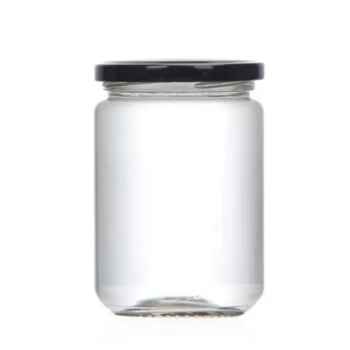
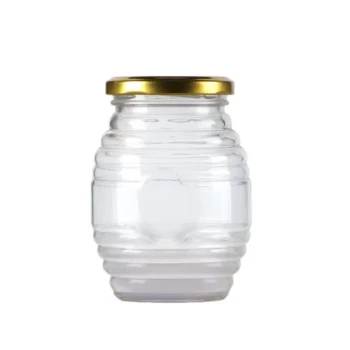
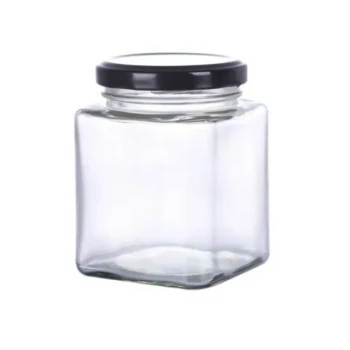
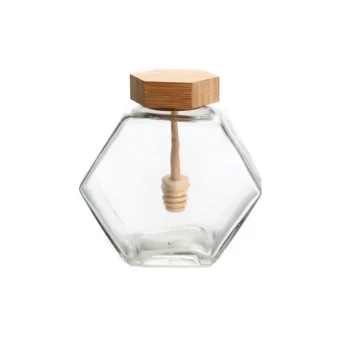
Glass is heavy, clear, and chemically inert. In the consumer's mind, these physical properties translate to purity, tradition, and premium quality.
The weight feels substantial. The clarity signals honesty—nothing is hidden. Its inability to react with the honey offers an implicit guarantee of unadulterated flavor. For an artisanal brand, glass isn't just packaging; it's part of the product's story.
The Appeal of Practicality: Plastic
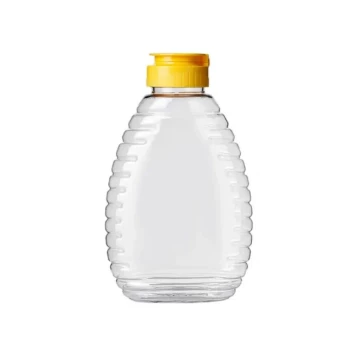
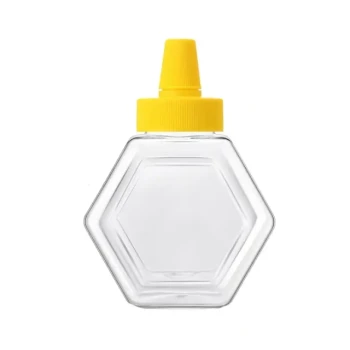
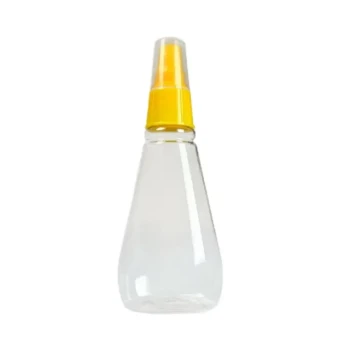
Food-grade plastic containers, especially the iconic "honey bear," are masters of psychological appeal. They are lightweight, shatter-resistant, and cost-effective.
These traits signal convenience, safety, and family-friendliness. There is no fear of a glass jar breaking in a busy kitchen. For high-volume producers and distributors targeting the mass market, plastic offers a combination of durability and economic sense that is hard to beat.
A Framework for Decisive Action
Choosing the right packaging is a strategic decision, not an afterthought. It requires aligning the physical needs of the product with the psychological expectations of your target market. There is no single best option—only the right option for your specific operational goal.
| Packaging Material | Key Attributes | Strategic Focus |
|---|---|---|
| Glass Jars | Premium feel, inert, transparent, heavy | Artisanal branding, retail, perceived quality |
| Plastic Containers | Lightweight, durable, cost-effective, safe | Mass-market distribution, family households |
| Sachets/Sticks | Single-serving, ultimate convenience, portable | Food service, hospitality, on-the-go consumers |
| Bulk Drums/Tins | Maximum volume, efficient storage & transport | Commercial apiaries, wholesale, B2B export |
The Right Tools for a Job Well Done
Understanding this delicate balance of physics and psychology is the first step. The second is execution. For commercial apiaries and distributors, consistent, high-quality packaging is essential for protecting brand reputation and ensuring product integrity at scale.
This is where having the right supply chain partner becomes critical. HONESTBEE specializes in supplying commercial-grade beekeeping supplies and packaging equipment for wholesale operations. We provide durable, cost-effective solutions engineered to meet the demands of large-scale production, from food-grade plastic containers that optimize shipping costs to the machinery needed for an efficient filling line. We help you translate your market strategy into a physical product that preserves the quality of your honey from your facility to the end consumer.
To ensure your hard work is protected by the best possible packaging strategy, Contact Our Experts.
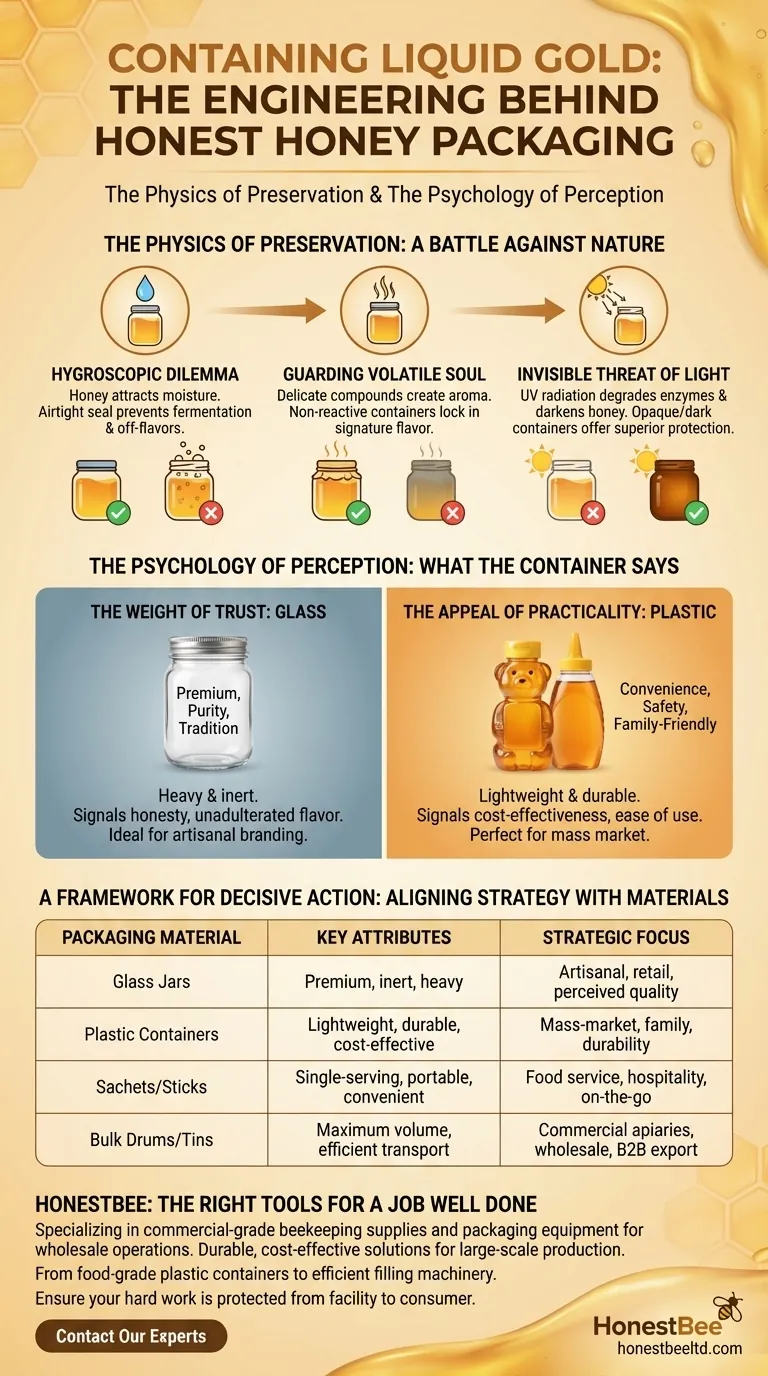
Visual Guide
Related Products
- Automatic Single-Dose Snap & Squeeze Honey Sachets Packing Machine
- Honey Stick Filler Vertical Paste Sachet Packing Machine for Honey Sachets
- Fully Automatic Honey Filling Packaging Machine for Processing Line
- Hexagonal Glass Honey Jars with Metal Lug Caps Elegant Versatile Packaging
- Double Nozzle Small Honey Filling Machine Honey Sachet Packing Packaging Equipment
Related Articles
- The Unseen Cost of Manual Honey Filling: A Case for Automation
- The Viscosity Principle: How a Honey Filling Machine Masters More Than Just Honey
- The Flow, The Fill, and The Future: A Honey Bottler's Guide to Scale
- How to Choose Between Semi-Automatic and Fully Automatic Honey Filling Machines
- How to Choose a Honey Filling Machine That Grows With Your Business