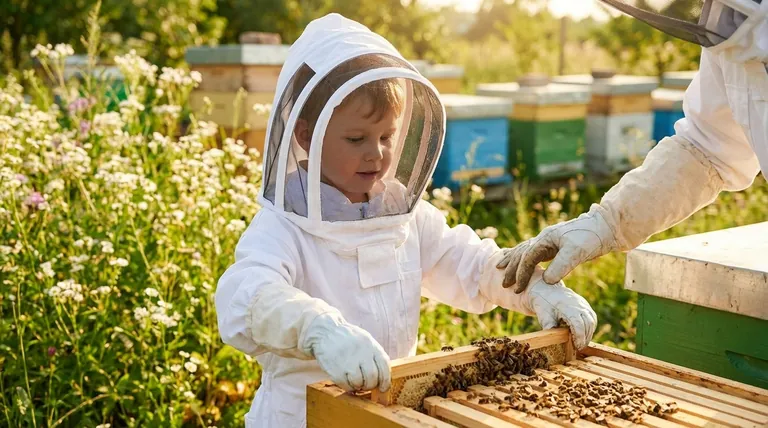
Picture a child's first encounter with a beehive. The air hums with a low, electric energy. Thousands of bees move with a purpose that feels both chaotic and perfectly ordered. For a child, this moment hovers between fear and fascination.
The single piece of equipment that determines which emotion wins is their bee suit.
It is not merely clothing. It is an engineered environment, a personal barrier that must earn the child's absolute trust. If that trust is established, curiosity flourishes. If it fails, a potential passion can be lost to fear. Understanding the anatomy of that trust is everything.
The First Principle: An Unbroken Barrier
The primary psychological function of a bee suit is to make the threat of a sting a non-issue. The child must believe, without a doubt, that they are sealed off from the bees. This confidence isn't built from a single feature, but from an integrated system of protection where every component works in unison.
A single point of failure—a gap at the wrist, a snagged zipper, a tear in the veil—can shatter this fragile confidence instantly. Therefore, the design philosophy starts with creating an unbroken barrier.
Eliminating the Obvious Gaps
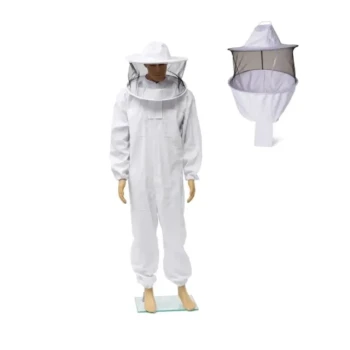
This is why a one-piece, full-body suit is the universal standard. It elegantly solves the most obvious structural weakness: the gap between a separate jacket and pants. By creating a single, continuous garment, we eliminate the primary entry point for a curious bee and the primary source of anxiety for a novice beekeeper.
The Critical Interface: Veil and Zippers
The veil is the most intimate part of the suit. It is the window through which the child experiences the hive. Its integrity is paramount.
A fencing-style veil that zips directly and securely onto the collar is non-negotiable. The zipper itself becomes the lynchpin of the entire safety system. A flimsy plastic zipper that snags or separates is a catastrophic failure of design. Look for robust, often brass, zippers that provide a definitive, secure seal. This small, mechanical detail provides immense psychological reassurance.
Sealing the Periphery
Bees are masters of finding the smallest opening. The final elements of the seal are the cuffs and ankles.
Strong elastic bands create a snug fit over boots and gloves, closing off these potential entryways. More advanced designs incorporate thumb ties—small loops that keep the sleeve firmly tucked inside the glove, even when the child is reaching and stretching. It's a minor addition that provides a major boost in security and peace of mind.
Beyond Protection: Engineering for Comfort
A child can be perfectly safe but utterly miserable. If a suit is heavy, stuffy, and hot, the experience of beekeeping becomes an exercise in endurance, not enjoyment. The material science of the suit is just as critical as its structural design.
Human factors determine whether the equipment enables learning or becomes a distraction from it.
The Material Trade-Off: Cotton vs. Ventilated Mesh
Choosing the right material is a crucial decision, heavily influenced by climate and frequency of use.
| Feature | Standard Cotton/Poly-Blend Suit | Ventilated Three-Layer Mesh Suit |
|---|---|---|
| Protection | Excellent. The fabric is thick enough to prevent stings. | Excellent. The triple-layer design prevents stingers from reaching skin. |
| Primary Advantage | Affordability. A cost-effective and reliable choice. | Superior Comfort. Allows maximum airflow, preventing overheating. |
| Best For | Occasional use, cooler climates, and budget-conscious programs. | Frequent use, warmer climates, and maximizing a child's comfort. |
| Psychological Edge | Provides the necessary baseline of physical safety. | Reduces the physical stress of heat, allowing for greater focus and longer learning sessions. |
A ventilated suit is more than a luxury; in a warm climate, it is a strategic investment in a child's positive association with beekeeping.
Designing for Independence
Small, practical features transform a child from a passive observer into an active participant.
Multiple, large pockets allow them to carry their own hive tool or bee brush. It fosters a sense of ownership and professionalism. A suit that is machine washable respects the reality of beekeeping—it gets messy—and makes cleanup simple. These details empower a child and make them feel like a genuine beekeeper.
Equipping the Next Generation
A child's bee suit is a finely tuned balance of physical protection and psychological reassurance. It is the armor that grants them the confidence to step into a new world and learn. For commercial apiaries and distributors, providing equipment that is thoughtfully engineered is not just about selling a product; it's about fostering the future of apiculture.
At HONESTBEE, we understand that the quality of your equipment directly impacts the quality of the learning experience. We supply durable, reliable, and comfortable beekeeping supplies designed to build confidence from the very first hive inspection. Ensuring the young beekeepers you support have equipment that performs flawlessly is the best investment you can make in their journey.
To discuss your wholesale needs for beekeeping equipment that builds confidence, Contact Our Experts .
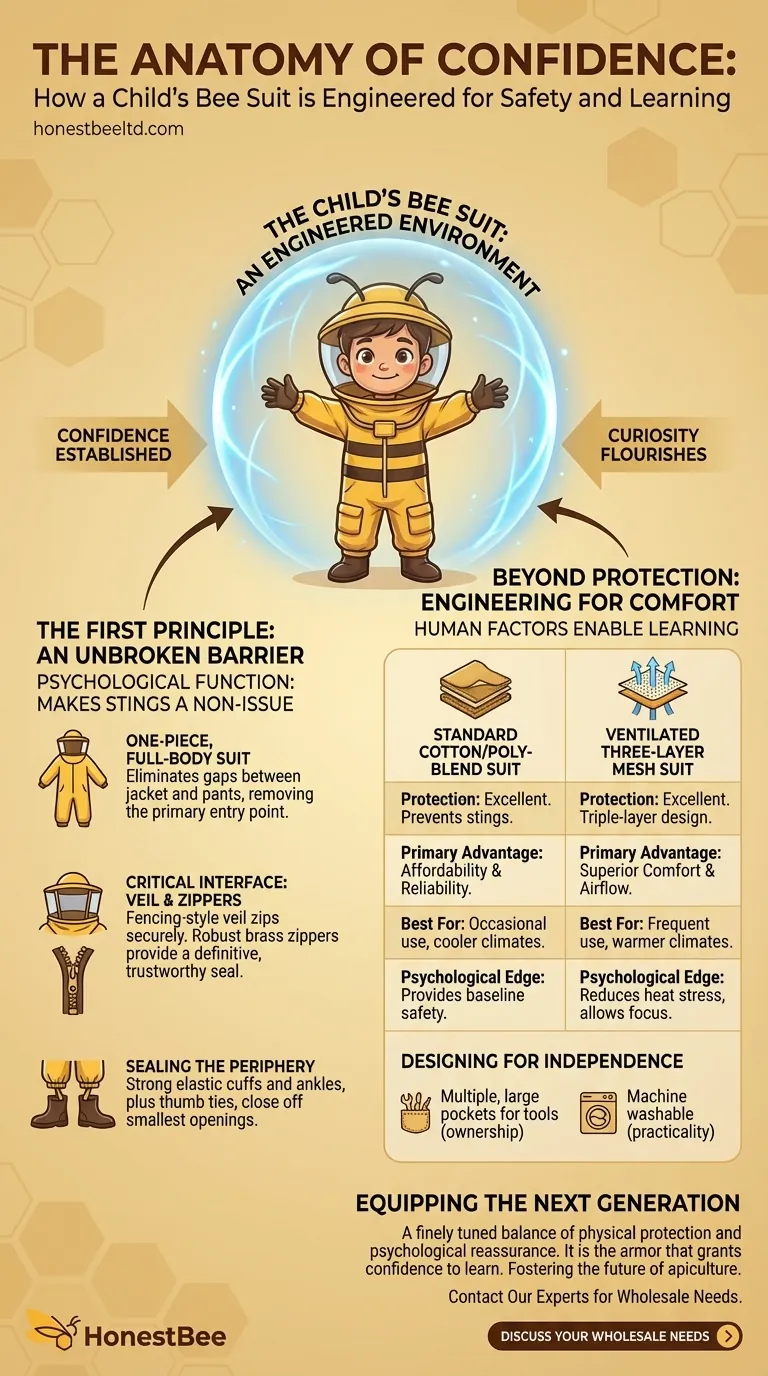
Visual Guide
Related Products
- Professional Beekeeping Suit for Kids and Girls Childrens Bee Keeper Suit
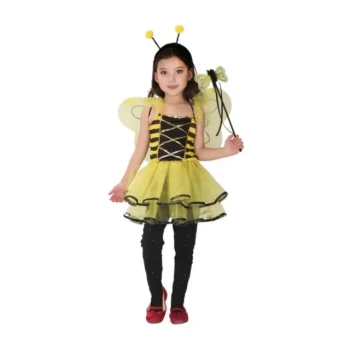
- Adorable Charming Playful Childs Bee Costume Set
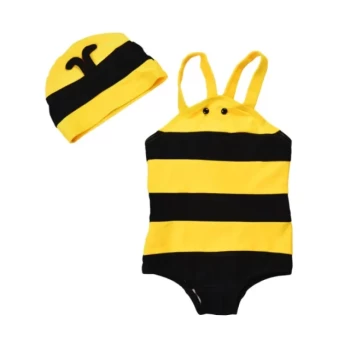
- Adorable Baby Toddler Bee Swimsuit and Cap Set
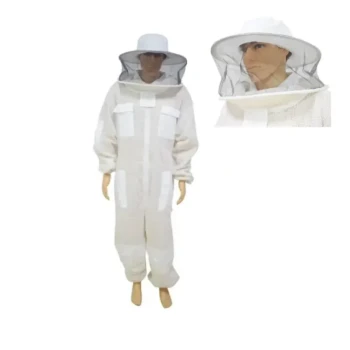
- Premium Three Layer Ventilated Bee Suit with Round Veil
- Premium Cotton Beekeeper Suit with Reinforced Fencing Veil
Related Articles
- How to Choose a Safe and Comfortable Bee Suit for Kids: A Family Beekeeping Guide
- The Anatomy of Confidence: Engineering a Child's First Bee Suit
- Beyond the Sting: The Psychological Armor of a Child's Bee Suit
- How Beekeeping Suit Design Balances Protection, Comfort, and Durability
- How Pocket Design in Beekeeping Suits Enhances Safety and Inspection Efficiency