The Beekeeper's Unseen Adversary
In the apiary, the most immediate threat feels obvious: the sting. We've built our defenses around this single, sharp point of contact. But for the commercial beekeeper, a far more pervasive and insidious adversary exists—the suffocating, energy-sapping heat trapped inside a traditional bee suit.
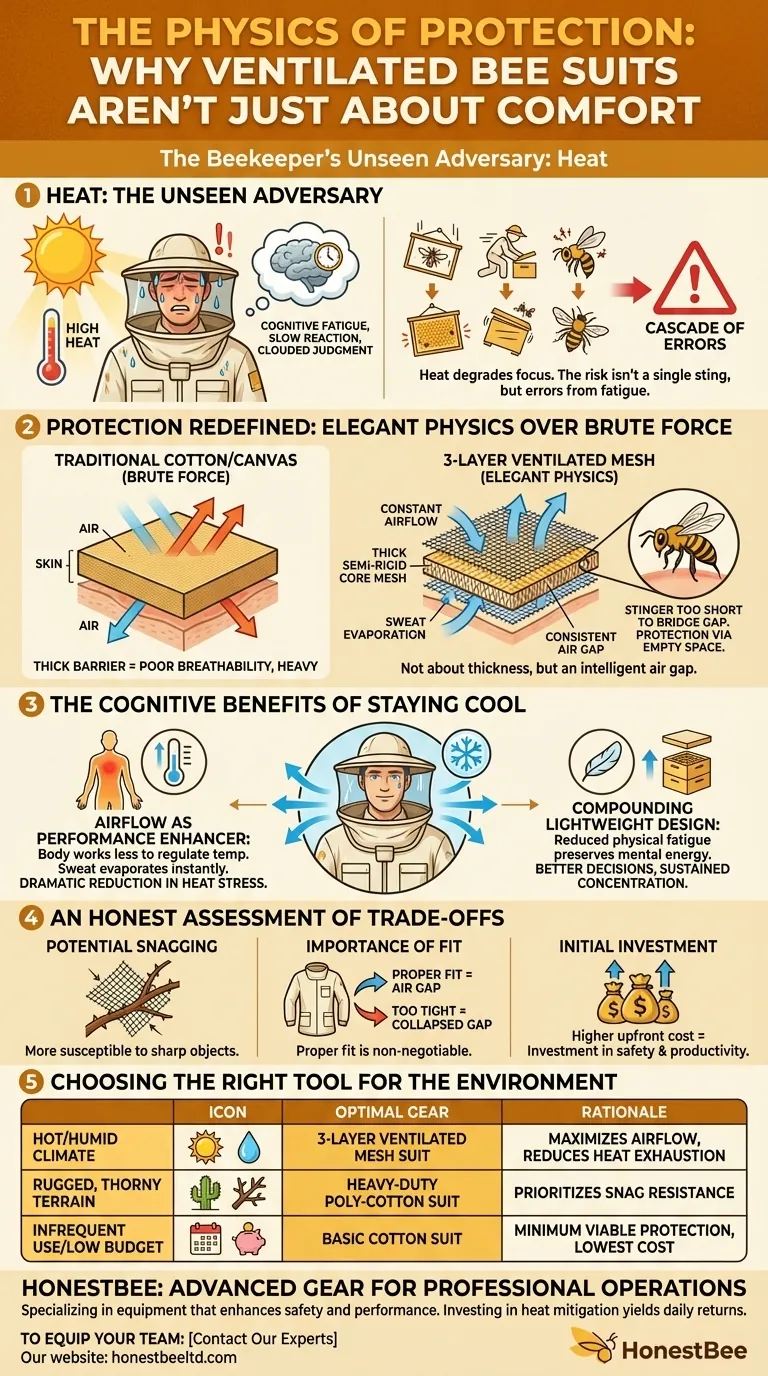
Heat doesn't just cause discomfort. It degrades focus. It slows reaction times. It clouds judgment during critical hive inspections. The greatest risk isn't a single sting, but the cascade of small errors that arise from cognitive fatigue on a long, hot afternoon. This is where equipment design transcends simple protection and becomes a tool for performance.
Protection Redefined: From Brute Force to Elegant Physics
Our mental model for protection is simple: thicker is better. We imagine a suit as a medieval coat of armor, a heavy barrier between us and the bees. Traditional cotton and canvas suits are the logical endpoint of this thinking. They work, but at a tremendous cost in breathability and weight.
3-layer mesh gear operates on a different, more intelligent principle. It's not about brute force; it's about physics.
The Engineering of an Air Gap
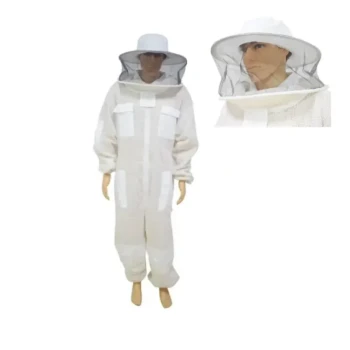
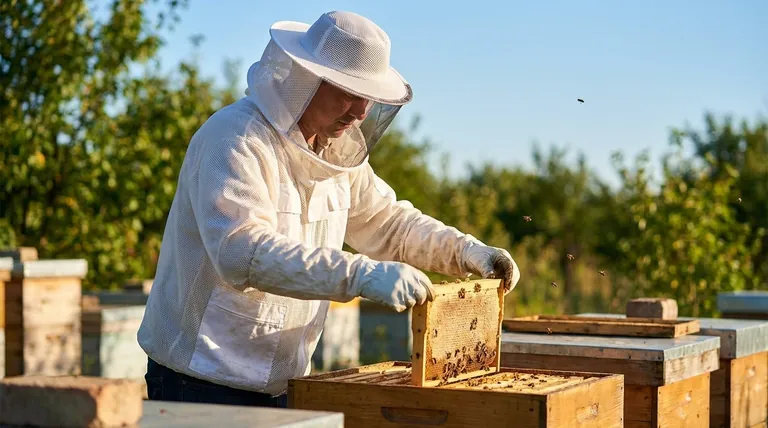
The genius of the design lies in its three-part structure: two fine outer mesh layers sandwiching a thicker, semi-rigid mesh core. This construction creates a consistent and significant gap of air between the suit's surface and your skin.
A honeybee's stinger is a fixed length. It is physically too short to bridge this gap. A bee may land and attempt to sting, but its stinger never reaches the target. Protection is achieved not through impenetrable fabric, but through empty space. It's a beautifully simple and effective solution.
The Cognitive Benefits of Staying Cool
The primary advantage of this design is not just comfort—it's clarity. By addressing the thermal problem, we directly improve a beekeeper's ability to think and act effectively.
Airflow as a Performance Enhancer
The open mesh allows for constant air circulation. You can feel a breeze right through the suit. This has a profound physiological effect. Your body doesn't have to work as hard to regulate its core temperature.
Sweat evaporates almost instantly, preventing the clammy, overheating sensation that plagues wearers of non-breathable gear. The result is a dramatic reduction in heat stress, which allows for longer periods of sustained concentration. Fewer mistakes are made, inspections are more thorough, and the beekeeper remains a calm presence in the apiary.
The Compounding Effect of Lightweight Design
The materials are also significantly lighter than thick cotton. This may seem like a minor benefit, but the effects compound over thousands of steps and hundreds of lifted hive boxes.
Reduced physical fatigue directly correlates to preserved mental energy. A beekeeper who isn't fighting their own gear at the end of the day is a beekeeper who makes better decisions for the health of their colonies.
An Honest Assessment of the Trade-offs
No single piece of equipment is perfect for every possible scenario. The decision to use ventilated gear requires a clear understanding of its limitations.
- Potential for Snagging: The mesh exterior can be more susceptible to catching on sharp branches or rough hive corners compared to a smooth poly-cotton surface.
- The Importance of Fit: A suit that is too tight collapses the protective air gap, negating its primary advantage. A proper fit is non-negotiable.
- Initial Investment: Ventilated suits represent a higher upfront cost than basic cotton models. This should be viewed as an investment in operator safety, efficiency, and productivity.
Choosing the Right Tool for the Environment
For professional operations where performance is key, the choice of gear becomes a strategic decision. It hinges on the primary challenges of your working environment.
| Scenario Focus | Optimal Gear Choice | Primary Rationale |
|---|---|---|
| Hot or Humid Climate | 3-Layer Ventilated Mesh Suit | Maximizes airflow and reduces heat exhaustion risk. |
| Rugged, Thorny Terrain | Heavy-Duty Poly-Cotton Suit | Prioritizes snag resistance over ventilation. |
| Infrequent Use / Low Budget | Basic Cotton Suit | Provides minimum viable protection at the lowest cost. |
For commercial apiaries and equipment distributors, the calculus is clear. The productivity, safety, and well-being of your team are paramount. Investing in equipment that mitigates the primary environmental challenge—heat—yields returns every single day. HONESTBEE specializes in supplying this advanced gear, understanding that for professionals, the right equipment is the foundation of a successful operation.
To equip your team with gear that enhances both safety and performance, Contact Our Experts.
Visual Guide
Related Products
- Premium Three Layer Ventilated Bee Suit with Round Veil
- Three-Layer Ventilated Beekeeper Suit with Structured Fencing Veil
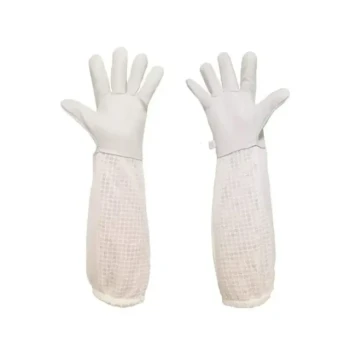
- Premium Ventilated Goatskin Beekeeping Gloves with Full 3-Layer Mesh Sleeve
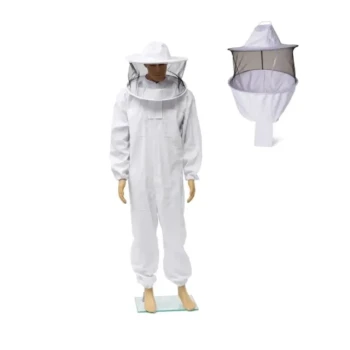
- Professional Cotton Beekeeper Suit with Round Veil Design for Commercial Apiaries
- Professional Beekeeper Suit with Square Folding Cotton Veil
Related Articles
- How to Choose Between Full and Partial Bee Suits: A Safety and Efficiency Guide
- The Physics of a Wasp Sting: Deconstructing Bee Suit Effectiveness
- The Scent of Danger: Why Bee Suit Maintenance is About Pheromones, Not Just Dirt
- How to Choose and Maintain a Bee Suit That Actually Prevents Stings
- The Confidence Barrier: Why Your First Bee Suit Is About Psychology, Not Just Protection