Yes, a beehive setup can and must be expanded beyond the initial starter kit. In fact, a starter kit is designed only as a point of entry. As a colony establishes itself and reproduces, the population will inevitably require more physical space than the initial box provides, necessitating the addition of new components to the vertical stack.
Core Takeaway A healthy bee colony is a dynamic, growing entity that will quickly outgrow a static starter kit. Successful beekeeping requires anticipating this growth and having the correct, matching components ready to expand the hive's volume before overcrowding occurs.
The Necessity of Expansion
Understanding Colony Dynamics
Bees are not static pets; they are a rapidly reproducing superorganism. As the queen lays eggs and the population swells, the bees require increasing amounts of surface area to live and work.
Avoiding Overcrowding
If you restrict a colony to the limits of a starter kit, you risk the health of the hive. A lack of space often triggers a natural response called swarming, where half the colony leaves to find a new home, drastically reducing your hive's productivity.
The Components of Growth
Adding Vertical Space
Expansion is typically achieved by stacking additional boxes on top of your existing setup. These added boxes, often referred to as supers, act as the new real estate for the colony to move into.
Frames and Foundations
Simply adding a box is not enough; the interior infrastructure must be provided. You must fill these new boxes with spare frames and foundations.
Structural Support
The foundation provides a guide for the bees to build their wax combs. This comb is the essential infrastructure used for both storing nectar and housing the developing brood (larvae).
Critical Technical Constraints
Matching Component Sizes
This is the most critical technical detail in expansion. Beehives come in various standard dimensions (e.g., 8-frame vs. 10-frame widths, or "deep" vs. "medium" heights).
Verifying Kit Specifications
You must identify the specific dimensional standards of your starter kit. When purchasing expansion boxes, you must ensure they match your existing gear exactly to maintain a weather-tight seal and proper "bee space" within the hive.
Common Pitfalls to Avoid
The Risk of Mismatched Gear
Attempting to force incompatible components together—such as placing a 10-frame box on an 8-frame kit—creates gaps. These gaps destroy the hive's internal climate control and allow pests or robber bees to enter.
Timing the Expansion
While expansion is necessary, timing is key. Adding too much space too early makes it difficult for a small colony to defend the hive and regulate the internal temperature. Expansion should generally track with the colony's actual resource utilization.
Making the Right Choice for Your Goal
Before you buy additional components, assess your current colony status.
- If your primary focus is rapid colony growth: Prioritize adding "deep" boxes with fresh foundation to give the queen maximum room to lay eggs.
- If your primary focus is honey harvest: Prepare "honey supers" (often medium or shallow boxes) and exclude the queen from them so they are filled only with nectar.
Expansion is the ultimate sign of a successful apiary; prepare your equipment now to accommodate the success of your bees later.
Summary Table:
| Component Type | Purpose | Size Considerations | Impact on Colony |
|---|---|---|---|
| Deep Boxes | Brood expansion | Must match kit frame count (8/10) | Increases population & prevents swarming |
| Honey Supers | Nectar storage | Typically medium or shallow | Facilitates honey harvest |
| Frames & Foundation | Internal structure | Must fit box depth | Provides space for wax comb & larvae |
| Queen Excluders | Population control | Matches box dimensions | Keeps brood out of honey sections |
Scale Your Beekeeping Operation with HONESTBEE
Is your colony outgrowing its starter kit? At HONESTBEE, we specialize in supporting commercial apiaries and distributors with the high-capacity equipment needed for professional scaling.
From precision-matched 8-frame and 10-frame hive components to advanced hive-making and honey-filling machinery, we provide the full spectrum of wholesale beekeeping tools and essential consumables. Whether you are expanding a commercial yard or stocking your distribution warehouse, our portfolio ensures seamless compatibility and industrial-grade durability.
Ready to take your apiary to the next level? Contact us today to discuss our wholesale offerings and let HONESTBEE provide the infrastructure for your growth.
Related Products
- Wooden Bee Hive Frames for Beekeeping and Wholesale
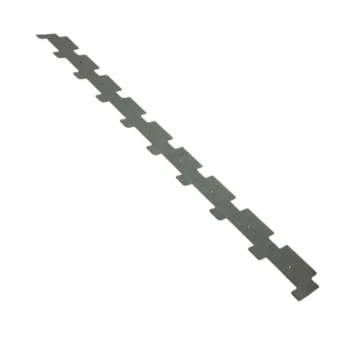
- Heavy Duty Castellated Iron Frame Spacer for Honey Supers
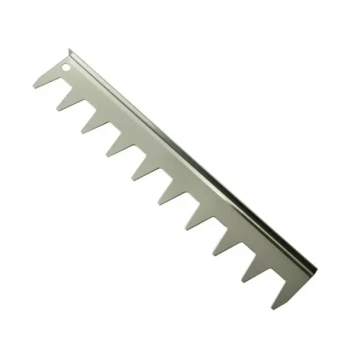
- Professional Galvanized Steel Frame Rest for Beehives
- Plastic Bee Frame Beekeeping Hive Frames for Wholesale
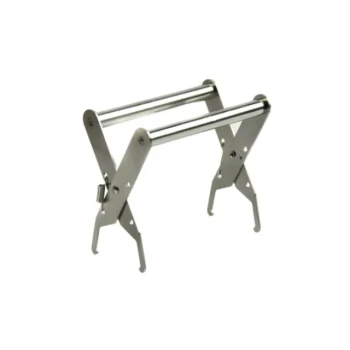
- Heavy-Duty Stainless Steel Clip-On Frame Perch
People Also Ask
- How does balancing the number of frames impact hive productivity? Optimize Your Apiary's Biological Output
- How do wooden and plastic hive frames compare in terms of durability? Wood vs. Plastic Longevity & Repairability
- What are the main considerations when choosing between wooden and plastic bee hive frames? Optimize Your Apiary's Efficiency
- How should beehive frames be maintained to prolong their lifespan? 5 Pro Tips for Durable Beekeeping Equipment
- What is the primary function of frames within a beehive system? Structural Foundation and Hive Management