To install a cam buckle strap properly, you must position the buckle on the side of the hive, ensuring it hangs at least 6 inches below the top cover. Thread the strap around the hive, feed the free end up into the buckle from the bottom, and pull the tail downwards to tighten it using your body weight.
Core Takeaway: The effectiveness of a cam strap relies entirely on leverage; placing the buckle on the side allows you to pull downwards to achieve maximum tension, whereas placing it on top forces you to pull sideways, resulting in a significantly looser fit.
Optimizing Buckle Placement
The Six-Inch Rule
Position the strap so the buckle hangs vertically on the side of the hive boxes.
It is critical that the buckle sits at least 6 inches below the top of the hive. This clearance prevents the buckle from slipping onto the top cover during tightening and ensures the force is applied to the hive bodies.
Leveraging Body Weight
The primary advantage of side placement is the direction of the pull.
By locating the buckle on the side, you can pull the free end of the strap downwards. This allows you to engage your body weight to crank the strap tight, rather than relying solely on arm strength to pull horizontally across the top.
Threading and Tightening Mechanics
Proper Threading Direction
Once the strap is wrapped around the hive, take the free end and feed it into the cam buckle.
You must thread the strap up and into the buckle from below. This orientation ensures that when you pull the tail down to tighten, the cam mechanism engages correctly to lock the strap in place.
Securing Against the Wind
In locations subject to strong weather, the orientation of the buckle relative to the wind matters.
Install the strap so the buckle is on the upwind side of the hive. This reduces the risk of the wind buffeting the hive and accidentally jarring the buckle mechanism loose.
Common Pitfalls to Avoid
The Top-Mount Mistake
A frequent error is resting the buckle directly on the top cover of the hive.
This position makes it nearly impossible to achieve adequate tightness because you are pulling parallel to the ground. Without the mechanical advantage of pulling down, the hive remains vulnerable to tipping.
Confusing Strap Types
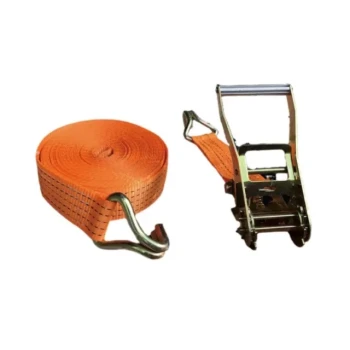
Be careful not to confuse cam strap installation with ratchet strap methods.
While ratchet mechanisms are often positioned to allow moisture drainage, the priority for cam straps is leverage and vertical orientation. Do not attempt to run a cam strap under the hive and over the top, as you might with a ratchet strap; the tightening physics are different.
Making the Right Choice for Your Goal
- If your primary focus is maximum stability: Ensure the buckle is on the side, at least 6 inches down, allowing you to pull the tail toward the ground for a tight seal.
- If your primary focus is wind resistance: Identify the direction of the prevailing wind and place the buckle on that side to prevent the mechanism from shaking loose.
Correct strap placement transforms a simple piece of webbing into a reliable structural reinforcement for your colony.
Summary Table:
| Step | Action | Key Benefit |
|---|---|---|
| Buckle Placement | 6 inches below the top cover | Prevents slipping and ensures force is applied to hive bodies. |
| Pull Direction | Pull the strap tail downwards | Uses body weight for maximum tension rather than just arm strength. |
| Threading | Feed upward from the bottom | Ensures the cam mechanism engages and locks correctly. |
| Wind Strategy | Position buckle on the upwind side | Minimizes wind vibration to prevent the buckle from jarring loose. |
Secure Your Apiary with HONESTBEE Professional Equipment
Don't let poor hive stability risk your colony's health. HONESTBEE provides commercial apiaries and distributors with premium-grade beekeeping tools, machinery, and consumables designed for professional standards. From high-tensile strapping solutions to advanced hive-making and honey-filling machines, our comprehensive wholesale portfolio is built to scale your operations.
Ready to upgrade your apiary’s efficiency and security? Contact us today to explore our wholesale machinery and equipment options tailored for industry leaders.
Related Products
- Heavy-Duty Nylon Beehive Hive Strap with Stainless Steel Cinch Buckle
- Professional Galvanized Hive Strap with Secure Locking Buckle for Beekeeping
- Heavy Duty Ratchet Hive Strap
- High Security Emlock Strap System
- Yellow Plastic Bucket Pail Perch for Beekeeping
People Also Ask
- What role do standardized beehive fastening and protective consumables play? Secure Colonies Against Natural Disasters
- How does the performance of ratchet straps compare to cam buckle straps for securing beehives? Expert Comparison Guide
- What is a good way to store hive straps to keep them organized? Master the Art of Tangle-Free Hive Transport
- What are the two main styles of hive straps? Choosing Between Cam Buckles and Ratchet Mechanisms for Your Apiary
- What are the two styles of hive straps? Choose the Right Strap for Your Hive Security