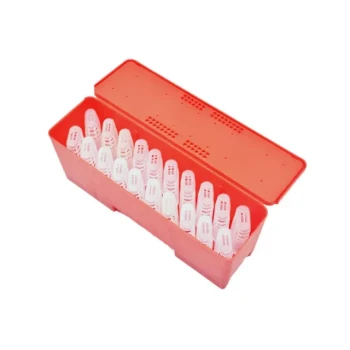
Commercial package bee production involves physically harvesting worker bees from established, strong colonies to create new, transportable units. Beekeepers produce these packages by shaking worker bees from high-population hives into specialized shipping boxes until they reach a standardized weight, typically three pounds. Once the bulk bees are secured, a mated queen is enclosed in a protective cage and suspended within the package.
Package production essentially creates an "artificial swarm" by aggregating worker bees by weight and introducing a new queen under protected conditions to ensure gradual acceptance.
The Physical Collection Process
Sourcing from High-Population Hives
The process begins with established colonies that have successfully built up a high population.
Beekeepers rely on these robust hives to provide the surplus "biomass" of worker bees needed to fill packages without collapsing the parent colony.
The Mechanics of Shaking
To transfer the bees, beekeepers physically shake the frames of the source hive.
This dislodges the worker bees, causing them to fall through a funnel system and into the ventilated shipping box.
Standardization by Weight
Rather than counting individual insects, the industry standardizes production by weight.
The most common specification is three pounds of bees. Beekeepers continue shaking bees into the box until this specific weight threshold is met.
The Introduction of the Queen
The Necessity of the Cage
A mated queen is never dropped loosely into the package with the workers.
Because these workers were taken from a different hive, they do not recognize this new queen's pheromones. If she were loose, the workers would view her as an intruder and attack her.
Managing the Transition Period
The queen is placed inside a protective cage, which is then secured inside the shipping box.
This barrier allows the worker bees to smell and interact with the queen without being able to harm her.
This setup facilitates a transition period during transport, giving the workers time to recognize and accept her as their new leader before she is released.
Understanding the Risks
The Biological Tension
The primary trade-off in this production method is the initial lack of cohesion between the workforce and the leadership.
Unlike a natural swarm where the queen is the mother of the bees, a package is an artificial aggregate.
The Reliance on Acceptance
Success depends entirely on the passive integration of the queen during the holding period.
If the cage fails or the transition period is too short, the protective mechanism is lost, leading to the loss of the queen and the failure of the package.
Making the Right Choice for Your Goal
When evaluating or purchasing package bees, understanding the production method helps clarify what you are actually receiving.
- If your primary focus is Colony Strength: Ensure the provider adheres strictly to the three-pound standard, as this weight correlates directly to the initial workforce size.
- If your primary focus is Queen Survival: Verify that the package includes a mated queen in a secure cage, as this is the only mechanism preventing immediate rejection by the workers.
Successful package installation relies on respecting the biological transition started during the production phase.
Summary Table:
| Feature | Specification | Purpose in Commercial Production |
|---|---|---|
| Standard Weight | 3 Pounds | Ensures a consistent workforce biomass for colony startup. |
| Worker Source | High-population hives | Provides surplus bees without weakening the parent colony. |
| Queen Type | Mated Queen | Guarantees immediate reproductive capability upon release. |
| Housing | Ventilated Shipping Box | Facilitates safe transport and pheromone circulation. |
| Integration | Protective Queen Cage | Prevents rejection while workers acclimate to new pheromones. |
Scale Your Beekeeping Business with HONESTBEE
Are you looking to expand your commercial apiary or streamline your distribution? HONESTBEE specializes in supporting professional beekeepers and wholesalers with top-tier equipment and consumables. From high-capacity honey-filling machines and precision hive-making hardware to essential beekeeping tools, we provide the industrial-strength solutions you need to manage your colonies efficiently.
Why partner with HONESTBEE?
- Comprehensive Wholesale Range: Access everything from specialized machinery to honey-themed cultural merchandise.
- Built for Professionals: Our tools are designed to withstand the rigors of commercial honey production.
- Expert Support: We understand the nuances of the beekeeping industry and cater specifically to large-scale operations.
Ready to elevate your production? Contact us today to explore our wholesale offerings!
Related Products
- Plastic Transporting Bee Packages and Nuc Boxes for Beekeeping
- Australian Langstroth Beehive Boxes for Beekeeping Wholesales
- JZBZ Style Professional Battery Box with 20 Shipping Cages
- Bee Inflatable Costume Professional Engaging Promotional Attire for Events & Marketing
- Wholesales Dadant Size Wooden Bee Hives for Beekeeping
People Also Ask
- What role do bee package boxes play in the commercial transport and expansion of honeybee colonies? - Logistic Essentials
- What are beekeeping boxes called? A Guide to Hive Bodies and Box Types
- How do standardized bee packages serve as a recovery mechanism for commercial beekeeping? Ensure Business Continuity
- What is the commercial value of using standardized bee packages? Drive Scalability in Large-Scale Apiaries
- Why is the timely introduction of high-quality bee packages critical? Save Your Apiary from Asian Hornet Invasions