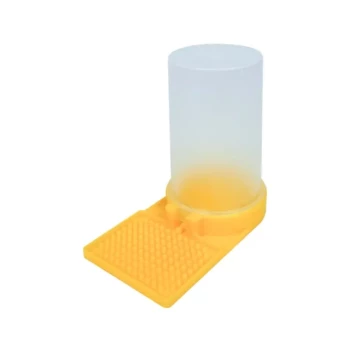
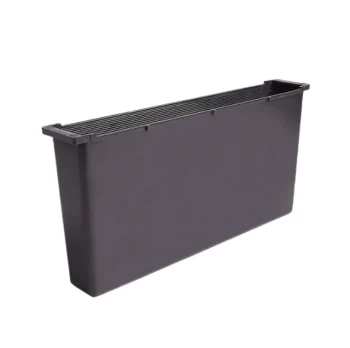
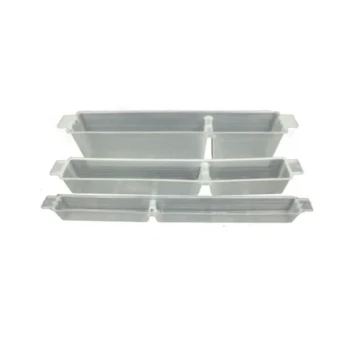
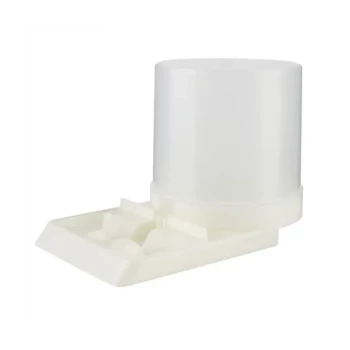
Hive-top feeders build reserves before winter, while solid feeds bridge colonies through cold weather. In spring and during nectar shortages, inverted pails, jar feeders, or Miller-style feeders deliver controlled liquid syrup and supplements directly above the colony. In autumn, they help bees convert syrup into stored food with minimal disturbance; once temperatures fall and the cluster tightens, fondant or hard sugar candy provides carbohydrates without the moisture risk associated with liquid feed.
The feeding strategy should change with the season: use liquid syrup and protein supplements to stimulate growth and build stores, then switch to solid carbohydrates when bees can no longer safely process liquid feed.
How Hive-Top Feeders Support Colony Nutrition
Controlled feeding above the cluster
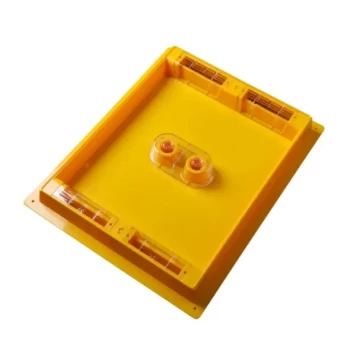
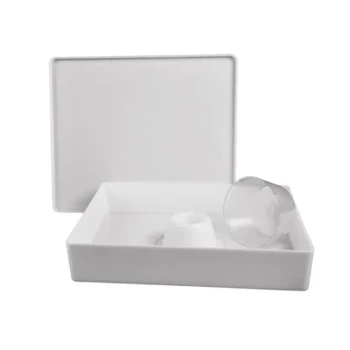
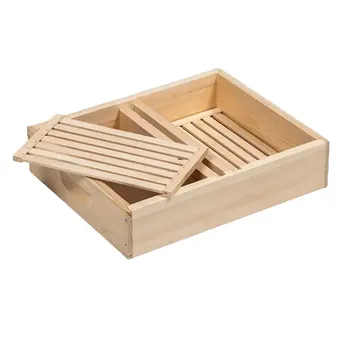
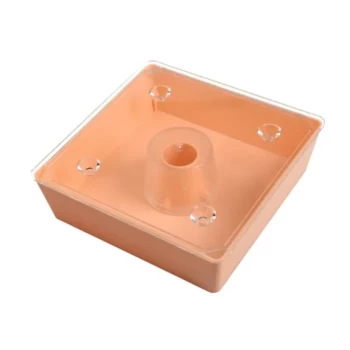
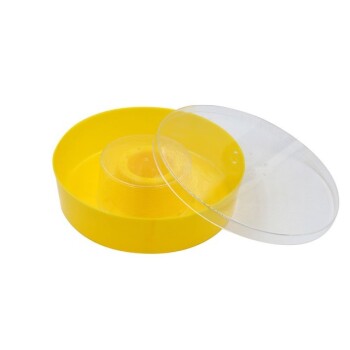
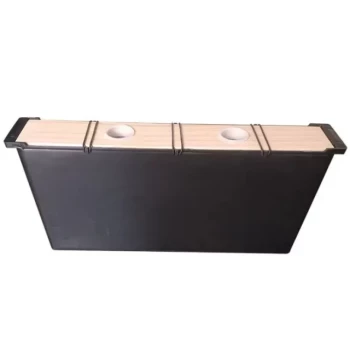
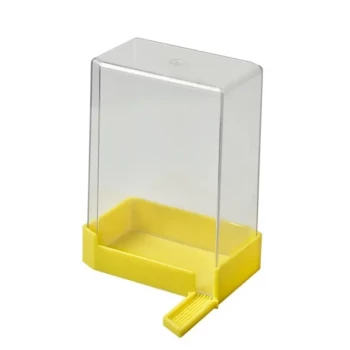
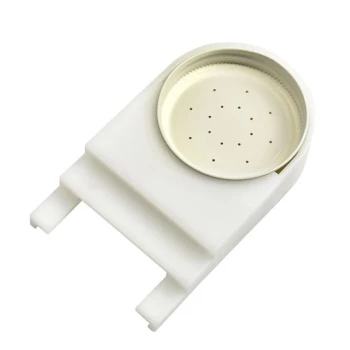
A hive-top feeder rests above the upper brood box, beneath the outer cover. Inverted pails, jars with perforated lids, and Miller-style feeders allow bees to access feed from below through a screened or protected entry area.
This arrangement keeps the food close to the cluster and reduces the need to open the brood chamber repeatedly. It also helps limit exposure to wind and cold during feeding operations.
Liquid syrup for energy and reserve building
Liquid sugar syrup supplies carbohydrates when nectar is unavailable. A 2-to-1 sugar-to-water syrup is commonly used for autumn feeding because it contains less water and is more suitable for building capped stores than thin spring syrup.
Beekeepers continue feeding until colonies have accumulated adequate reserves or until temperatures become too low for reliable liquid-feed consumption. Depending on climate, colony strength, and hive configuration, winter stores may need to be approximately 30–60 pounds, with many operations targeting roughly 50–60 pounds in severe conditions.
Protein and pollen substitutes for brood development
Pollen patties or other protein supplements can be used alongside liquid feed when natural pollen is scarce. These supplies support brood rearing, particularly in early spring and during autumn production of long-lived winter bees.
Liquid energy feed alone does not replace the nutritional functions of pollen. Protein supplementation should therefore be matched to seasonal conditions and the colony’s actual nutritional needs.
Seasonal Use of Feeding Supplies
Early spring stimulation
In early spring, hive-top feeders provide a controlled energy source before reliable nectar flows begin. This can encourage the queen to resume egg laying and help the colony expand when natural forage remains limited.
Feeders also allow rapid replenishment without repeatedly dismantling the hive. This is valuable for commercial apiaries managing many colonies or operating under narrow weather windows.
Late-season winter preparation
Autumn feeding is focused on converting liquid syrup into stable, capped food reserves. Beekeepers typically begin well before the first frost so colonies have time to process feed and rear the healthy winter bees needed for cold-weather survival.
A practical program may begin two to three months before the first frost, but the correct timing depends on local climate, forage availability, colony strength, and the date of the first sustained cold period.
Cold-weather solid feeding
When bees form a tight winter cluster, they may stop taking liquid feed or may be unable to process it effectively. At this stage, fondant, sugar boards, or hard sugar candy can be placed above the top frames, where the cluster can reach them as it moves upward.
Solid feed supplies carbohydrates without adding the same quantity of liquid water to the hive. This reduces the risk of excess internal moisture condensing over the cluster.
How Solid Feeding Supplies Improve Winter Survival
Emergency access to carbohydrates
Winter colonies can starve even when honey remains elsewhere in the hive if cold conditions prevent them from moving across the comb. Solid feed positioned directly above the cluster provides an accessible emergency reserve.
It is not a substitute for proper autumn stores. Rather, it acts as an insurance supply when stores are inadequate, weather is unusually severe, or the cluster cannot reach distant food.
Lower moisture risk than liquid syrup
Liquid syrup introduces water that bees must evaporate before the feed becomes stable. In cold weather, evaporation is impaired, increasing the risk of condensation and chilling.
Fondant and properly prepared hard sugar candy avoid this problem by supplying concentrated carbohydrates in a solid form. Any heated sugar product must be fully prepared and cooled before placement; hot material should never be placed on or near a colony.
Placement above the winter cluster
Solid feed is generally positioned above the top frames or within a suitable winter-feeding accessory. This keeps the food close to the bees while preserving their ability to move upward as stores are consumed.
The feeder or feeding board must also maintain appropriate ventilation and hive clearance. Poor placement can compress the cluster, obstruct bee movement, or create moisture problems.
Why Equipment Selection Matters for Commercial Operations
Capacity reduces labor and service frequency
Hive-top feeders commonly provide reservoirs in the range of one to three gallons, allowing colonies to receive substantial feed without frequent visits. Higher capacity can reduce labor requirements during peak autumn feeding.
For distributors and resellers, offering multiple capacities and feeder formats supports different hive sizes, apiary scales, and beekeeper preferences.
Protected access improves feeding control
Screened access chutes and protected entry points allow bees to reach syrup without drowning. They also help keep the feed inside the hive envelope, reducing exposure to wind and limiting unnecessary disturbance.
Internal feeding can reduce the likelihood of attracting robbing pressure compared with exposed feeding methods, although good apiary management remains essential.
A complete winter-readiness portfolio
Feeding equipment works best as part of a broader winterization system. Relevant supplies may include:
- Hive-top feeders and replacement lids
- Inverted pails, jars, and screened access components
- Fondant, sugar boards, and hard candy supplies
- Pollen patties and protein substitutes
- Outer insulation wraps and foam covers
- Hive stands and windbreak materials
- Moisture-management and ventilation accessories
For wholesalers and B2B buyers, a full-spectrum product range simplifies procurement and allows customers to source feeding and winter-protection products through one supplier.
Understanding the Trade-offs
Liquid feed is effective but temperature-sensitive
Syrup is efficient for building stores, but bees need suitable temperatures to collect, process, and consume it. Continuing liquid feeding after the colony has formed a tight cluster can create waste, moisture, or colony-management problems.
The transition from liquid to solid feed should be based on actual weather and bee activity rather than a fixed calendar date alone.
Solid feed is valuable but cannot correct every deficiency
Fondant and hard sugar candy provide carbohydrates, not a complete diet. They do not replace adequate honey stores, protein availability, disease management, or sound winter hive configuration.
A colony entering winter with insufficient population, poor health, or inadequate stores cannot be made secure by adding emergency sugar alone.
Overfeeding and poor placement create operational problems
Excessive syrup can crowd brood space, delay processing, or leave unprocessed feed when temperatures fall. Feeders that leak, lack adequate bee access, or fit poorly can also encourage moisture accumulation and colony stress.
Suppliers should prioritize compatible dimensions, durable construction, reliable seals, and clear usage instructions.
Inventory reliability affects seasonal outcomes
Feeding demand is highly seasonal and often weather-driven. Delayed delivery of feeders, syrup-related accessories, or solid feed can leave beekeepers without necessary supplies during a narrow preparation window.
For distributors, dependable stock positions, rapid response, efficient order fulfillment, and knowledgeable customer service are operational advantages—not merely purchasing conveniences.
Making the Right Choice for Your Goal
Select products according to the colony’s seasonal need, local climate, and operating scale.
- If your primary focus is spring stimulation: Use hive-top feeders for controlled syrup delivery and pair liquid energy feed with pollen substitutes when natural pollen is limited.
- If your primary focus is autumn reserve building: Stock high-capacity hive-top feeders and concentrated syrup supplies so colonies can build adequate capped stores before sustained cold weather.
- If your primary focus is winter survival: Provide fondant, sugar boards, or cooled hard sugar candy above the cluster instead of relying on liquid syrup during cold conditions.
- If your primary focus is commercial apiary efficiency: Choose durable, high-capacity feeders and winter accessories that reduce refill frequency, hive disturbance, and service labor.
- If your primary focus is distribution and resale: Build a complete, seasonally available portfolio with multiple feeder formats, solid feeds, supplements, insulation products, and responsive fulfillment support.
A well-timed combination of liquid feeding, solid emergency carbohydrates, and winter protection gives colonies the nutritional access they need to survive winter and build strongly in spring.
Summary Table:
| Feeding Supply Type | Purpose | Best Season | Key Benefits |
|---|---|---|---|
| Hive-top feeders (with liquid syrup) | Deliver controlled liquid feed | Spring, Autumn | Close to cluster; minimal disturbance; supports store building |
| 2:1 sugar syrup | Concentrated carbohydrate for winter stores | Autumn | Less water; efficient for capped stores |
| Pollen patties / protein supplements | Support brood rearing | Early spring, late autumn | Essential for protein; complements liquid feed |
| Fondant / hard sugar candy | Emergency winter carbohydrate source | Winter | Low moisture risk; placed above cluster; prevents starvation |
Ready to optimize your apiary's winter survival and colony nutrition? HONESTBEE offers a full range of hive-top feeders, solid feeding supplies, and winterization equipment. As a one-stop sourcing partner for commercial apiaries and distributors, we provide rapid response, OEM/ODM support, and reliable supply to keep your bees thriving. Contact us today for bulk pricing and expert advice.
Related Products
- Professional Hive Top Bee Feeder for Beekeeping
- HONESTBEE Professional Hive Top Bee Feeder Feeding Solution
- Premium Wood Hive Top Feeder with Floating Rafts for Langstroth Hives
- HONESTBEE Square Top Hive Bee Feeder Top Bee Feeder
- HONESTBEE Round Hive Top Bee Feeder for Syrup
People Also Ask
- What is a hive top feeder? A Guide to Efficient, Low-Stress Beekeeping
- Do I need an inner cover with a hive top feeder? Optimize Your Hive Setup for Healthy Bees
- What is a hive top feeder, and how does it work? A Complete Guide to Efficient In-Hive Feeding
- What are the characteristics, advantages, and disadvantages of hive top feeders? Optimize Your High-Volume Feeding
- How does a hive top feeder work? Optimize Your Apiary's Nutrition and Security