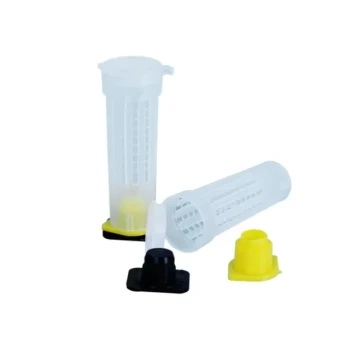
In the swarm box method, each component controls a different part of queen rearing. The nucleus box houses nurse bees and frames containing honey, pollen, and brood; the frame feeder supplies sugar syrup during the early cell-building stage; and the queen excluder prevents the established queen from reaching started queen cells while worker bees continue caring for them in the upper chamber.
The method succeeds by combining controlled colony separation, reliable nutrition, and an adequately staffed nurse-bee population. The nuc creates a manageable rearing unit, the feeder supports cell construction, and the excluder protects developing cells inside a strong colony.
How the Swarm Box Method Is Organized
The nucleus box creates the rearing unit
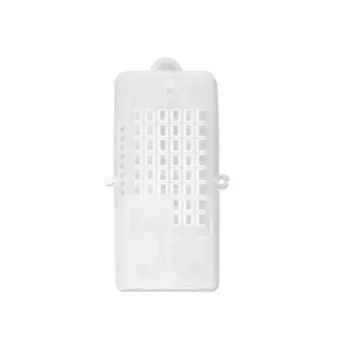
A nucleus, or nuc, box acts as a compact temporary colony. It is filled with young nurse bees and selected frames of brood, honey, and pollen so the bees can care for queen larvae without relying on the full population of the parent hive.
The box should be well ventilated and adequately populated. A small colony is easier to monitor and provides a more controlled environment for queen-cell development or later queen introduction.
The frame arrangement supports nurse bees
A practical arrangement begins with a frame of honey or other stores against one inside wall. This is followed by a brood frame, then a frame containing sealed brood and emerging young bees, with another stores frame placed beside the brood.
Remaining spaces can be filled with foundation frames. Extra young bees may also be shaken from brood frames into the nuc to ensure that enough nurse bees remain after the box is moved or separated from the parent colony.
The nuc may also support later mating
After queen cells mature and a queen emerges, a nuc can function as a small mating unit. Its compact size makes it easier to monitor queen acceptance, mating progress, and early egg laying than in a full-size colony.
This is a separate stage from the initial cell-building phase, but it is one reason nuc boxes are valuable across the queen-rearing workflow.
How the Frame Feeder Supports Cell Building
Syrup supplies immediate nutrition
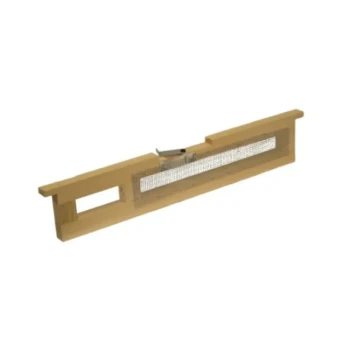
A frame feeder filled with sugar syrup provides an accessible food source for the nurse bees during the initial queen-cell-building period. This is especially useful when natural nectar availability is limited or when the temporary colony has restricted foraging capacity.
The feeder does not replace stored honey and pollen. It supplements the colony’s resources while the bees are concentrating on brood care and queen-cell construction.
Feeding helps stabilize the temporary colony
A swarm box or nuc contains fewer bees and fewer foragers than a full colony. Providing syrup reduces the risk that inadequate incoming food will interrupt the early development of started queen cells.
The feeder should be positioned so the bees can reach it easily without excessive disruption. Product design matters here: a dependable frame feeder should fit the box correctly, resist leakage, and allow efficient inspection and replenishment.
Stores remain essential
Honey and pollen frames should still be included in the box. Pollen supports brood-rearing activity, while honey provides a concentrated energy reserve; syrup is best viewed as controlled supplemental nutrition rather than the sole food source.
How the Queen Excluder Protects Developing Cells
The excluder separates the resident queen
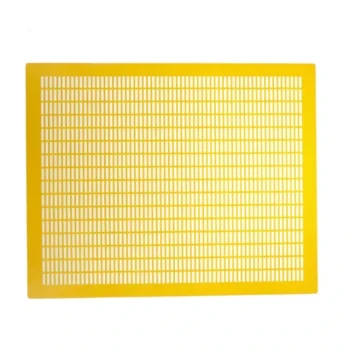
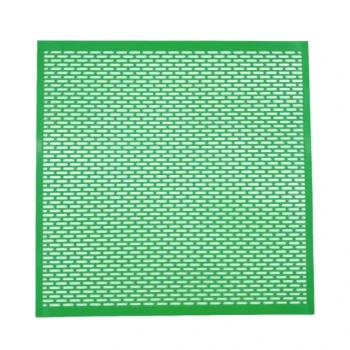
Once queen cells have been started, they can be placed in the upper chamber of a populous colony. A queen excluder is installed between chambers so the resident queen remains below and cannot damage or interfere with the developing cells above.
Worker bees can pass through the excluder and continue feeding and maintaining the queen cells. This gives the cells access to the workforce and resources of a strong colony while maintaining queen separation.
The upper chamber becomes a cell-finishing area
The upper chamber provides a protected location where started cells can be raised to maturity. The colony’s workers continue the cell-care process, while the excluder prevents the existing queen from entering that space.
This arrangement is different from using the nuc as the primary cell-building unit. The nuc provides isolation and control; the excluder-equipped colony provides a larger finishing workforce.
Excluders have broader applications
In some queen-rearing systems, excluders are also used to build queen cells in a hive that already contains a queen or to manage multiple queens within one hive structure. Their exact role depends on the specific hive layout and breeding procedure.
They should therefore be treated as queen-management equipment, not as a substitute for correct colony separation or adequate nurse-bee numbers.
The Complete Role of the Three Components
Stage one: establish the nurse-bee unit
The beekeeper prepares the nucleus or swarm box with young bees, brood, honey, and pollen. The original queen is either excluded from this temporary unit or managed separately, depending on the chosen variation of the method.
The objective is to create a stable group of nurse bees capable of accepting and caring for queen cells.
Stage two: provide supplemental feed
The frame feeder is filled with light sugar syrup and placed in the nuc or swarm box. It maintains a reliable food supply during the initial cell-building period, particularly when the colony has limited access to nectar.
The beekeeper monitors both syrup consumption and the condition of the stored food. Overfeeding, leakage, or poor feeder fit can create management problems, so equipment compatibility is important.
Stage three: finish the started cells
After the cells have been started, they are transferred to the upper chamber of a strong colony. The queen excluder remains between the chambers, keeping the resident queen below while allowing worker bees to tend the cells above.
This combines the controlled start provided by the swarm box with the workforce and resources of the larger colony.
Understanding the Trade-offs
A nuc offers control but limited resources
The smaller box is easier to inspect and move, and young nurse bees are generally better suited to caring for brood and accepting new queen pheromones. However, a nuc has fewer workers, stores, and foragers than a full colony.
It therefore requires closer monitoring of food, temperature, population strength, and queen status.
An excluder protects cells but does not solve every problem
A queen excluder prevents the resident queen from entering the cell-finishing chamber, but it does not guarantee that workers will accept or properly maintain every cell. The colony must still be strong, healthy, and well supplied.
Improper placement, poor ventilation, insufficient nurse bees, or the presence of competing queen cells can reduce results.
Equipment compatibility affects efficiency
Nuc boxes, feeders, excluders, cell bars, and hive chambers must work together dimensionally and operationally. Inconsistent equipment can cause gaps, crowding, leakage, difficult inspections, or delays in moving cells.
For apiaries and resellers, a coordinated product portfolio is more useful than isolated components. Reliable availability, fast response, and compatible equipment simplify repeatable queen-rearing operations.
Applying the Method to Your Operation
The best setup depends on whether the priority is controlled cell starting, high-volume cell finishing, or subsequent queen mating.
- If your primary focus is controlled queen-cell starting: Use a well-ventilated nuc with adequate nurse bees, brood, honey, and pollen, supported by a properly fitted frame feeder.
- If your primary focus is finishing started queen cells: Place the cells in the upper chamber of a strong colony and use a queen excluder to keep the resident queen below.
- If your primary focus is queen mating and monitoring: Retain suitable nuc boxes as compact mating units after the queen emerges.
- If your primary focus is operational efficiency: Source compatible nuc boxes, frame feeders, queen excluders, and related queen-rearing equipment from a supplier able to provide consistent quality and rapid fulfillment.
When correctly coordinated, the nuc, frame feeder, and queen excluder form a practical system for controlling queen access, supporting nurse bees, and developing queen cells reliably.
Summary Table:
| Component | Role in Swarm Box Method | Key Benefits |
|---|---|---|
| Nucleus Box | Houses nurse bees with brood, honey, and pollen for queen cell starting and mating | Compact, controllable unit; ideal for monitoring and queen introduction |
| Frame Feeder | Supplies sugar syrup for supplemental nutrition during early cell building | Prevents starvation, stabilizes the small colony, supports nurse bee activity |
| Queen Excluder | Separates the resident queen from developing queen cells in the upper chamber | Enables cell finishing in a strong colony while protecting cells from damage |
Ready to streamline your queen rearing? At HONESTBEE, we provide a full spectrum of beekeeping equipment—from nucleus boxes and frame feeders to queen excluders and more—to support your operation. As a trusted B2B supplier, we offer premium trading services, rapid response, dedicated support, and ultra-fast delivery. Contact us today to discuss your wholesale needs and boost your efficiency!
Related Products
- Portable Bee Mating Hive Boxes Mini Mating Nucs 8 Frames for Queen Rearing
- Automatic Heat Preservation 6 Frame Pro Nuc Box for Honey Bee Queen Mating
- JZBZ Langstroth Queen Rearing Frame for Beekeeping
- Premium Wood Framed Metal Wire Queen Bee Excluder
- Professional Plastic Queen Excluder for Modern Beekeeping
People Also Ask
- How do specialized queen-rearing frames and mating boxes boost off-season bee production? Optimize Your Apiary's Output
- What are the approximate weights of different types of 8-frame beehive boxes? Lift Smarter for Your Apiary
- What role does the structural configuration of beekeeping mating boxes play? Optimize Queen Mating Success
- What is an 8 frame box and why is it popular? A Lighter, More Ergonomic Hive Solution
- What role do portable mating nucs play in geographic isolation breeding? Secure Genetic Purity in Remote Locations