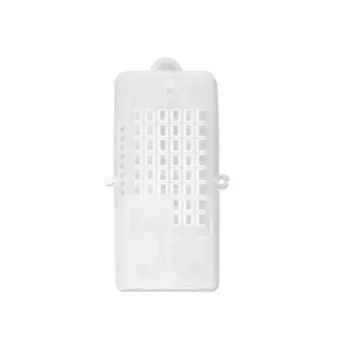
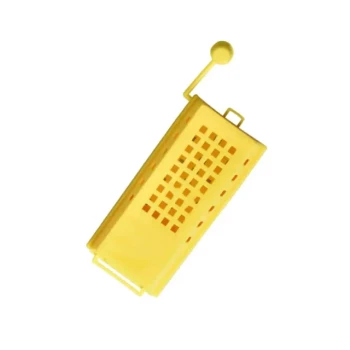
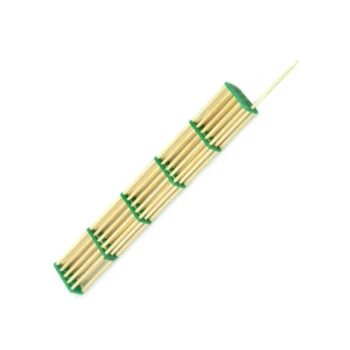
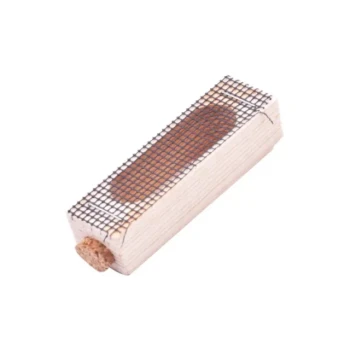
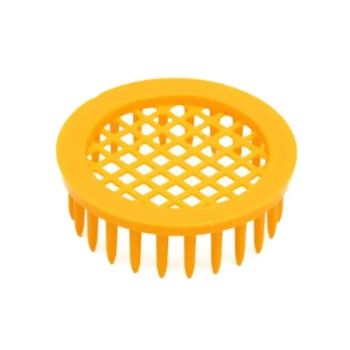
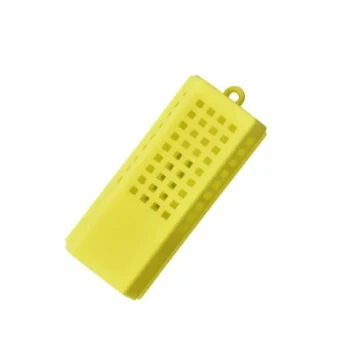
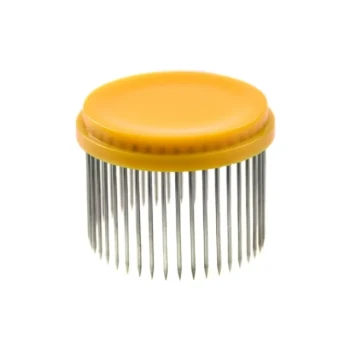
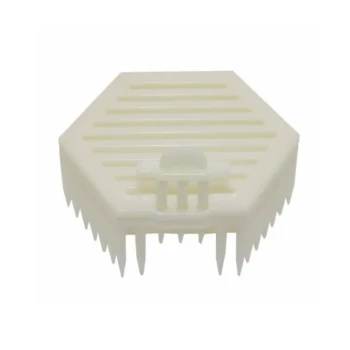
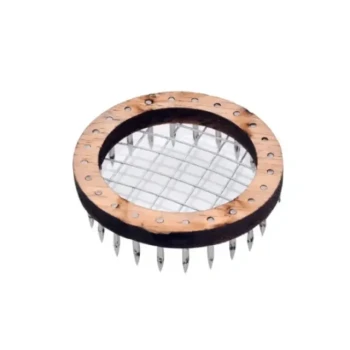
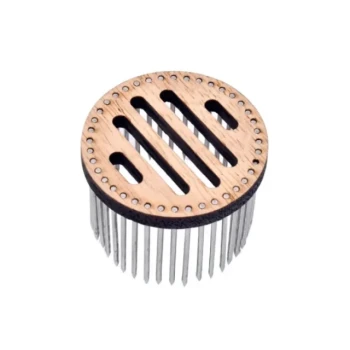
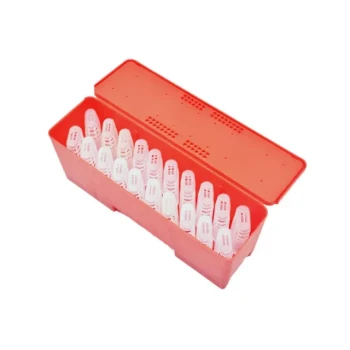
The primary technical advantage of utilizing a brood cage is the ability to position the queen centrally within the active brood area while simultaneously exposing her to emerging bees. This method creates a controlled environment where the new queen is integrated directly into the hive's core population, significantly increasing the probability of successful acceptance compared to peripheral introduction methods.
Introduction failure often stems from immediate rejection by older, aggressive worker bees. A brood cage solves this by utilizing the natural docility of newly hatched bees to acclimatize the queen, creating a safe transition zone within the hive.
The Mechanics of Successful Acclimatization
Centralized Pheromone Distribution
The brood cage allows you to place the queen in the physical center of the brood nest.
Unlike introduction cages placed on top bars or near the entrance, this ensures the queen's pheromones are distributed immediately where they are needed most. The surrounding colony is exposed to her scent in the area where nurse bees are most active.
Leveraging Emerging Brood
The most distinct advantage of this tool is its integration with newly emerging bees.
Young bees hatching inside the covered patch of brood have not yet developed nest-defense aggression. Because they encounter the new queen immediately upon birth, they accept her instinctively and begin caring for her, effectively bypassing the rejection phase common with older workers.
Enhanced Acceptance Rates
By combining central positioning with the support of young nurse bees, the brood cage drastically improves the overall success rate of introduction.
This creates a "soft release" mechanism. By the time the queen is released to the rest of the colony, she is already covered in the hive's scent and is supported by a loyal retinue of young workers.
Strategic Implications for the Apiary
Stabilizing Genetic Traits
While tools like grafting needles and artificial cups from rearing kits focus on the creation of high-quality queens, the brood cage focuses on the retention of those genetics.
Ensuring the survival of a specific queen is critical for maintaining desirable traits such as disease resistance or high honey production. A failed introduction negates the effort put into careful breeding or expensive purchasing.
Optimizing Colony Potentials
Successful acclimatization is the final step in maximizing a colony's potential.
A smooth transition prevents egg-laying interruptions and stress-induced supercedure attempts. This leads to a more stable population curve and better resource management across the apiary.
Understanding the Trade-offs
Handling and Disruption
Using a brood cage requires more invasive manipulation of the hive compared to simple candy-plug cages.
You must remove a frame, identify an appropriate patch of emerging brood, and install the cage without crushing bees. This increases the time the hive is open and requires a higher level of manual dexterity.
Frame Management
The cage occupies space on the comb surface.
If left too long, it can restrict the queen's laying pattern or create uneven comb usage. Proper timing of the release is essential to prevent these minor structural setbacks.
Making the Right Choice for Your Goal
To determine if a brood cage is the right tool for your specific situation, consider your immediate objectives:
- If your primary focus is introducing high-value breeder queens: The brood cage is essential because it offers the highest level of protection and the best guarantee of acceptance.
- If your primary focus is rapid, low-maintenance requeening: A standard shipping cage may be sufficient, accepting a slightly higher risk of rejection to save labor time.
The brood cage is not just a container; it is a precision tool that converts the biological vulnerability of a new queen into a social asset.
Summary Table:
| Feature | Technical Advantage | Impact on Apiary Performance |
|---|---|---|
| Placement | Centralized in the brood nest | Rapid pheromone distribution among active nurse bees. |
| Worker Interaction | Exposure to emerging bees | Minimizes aggression; young bees accept the queen instinctively. |
| Acceptance Rate | Higher success than standard cages | Protects genetic investments and prevents supercedure. |
| Stability | Controlled "soft release" | Prevents egg-laying interruptions and stabilizes population curves. |
Elevate Your Queen Introduction Success with HONESTBEE
Successful beekeeping starts with stable genetics and seamless colony transitions. At HONESTBEE, we specialize in supporting commercial apiaries and distributors with high-performance beekeeping tools and equipment designed for precision.
Whether you are looking for specialized brood cages, professional queen rearing kits, or heavy-duty honey-filling machines, we provide the full spectrum of hardware and consumables to scale your operations. Our wholesale solutions are tailored to help you maintain disease-resistant colonies and maximize honey production through superior craftsmanship.
Ready to optimize your apiary's efficiency? Contact us today to explore our comprehensive wholesale catalog and discover how HONESTBEE can deliver the quality and reliability your business demands.
Related Products
- Professional Queen Bee Introduction and Transport Cage
- Durable Galvanized Steel Spring Queen Bee Cage
- Professional Multi-Functional Queen Bee Cage
- Professional Queen Cage with Sliding Gate and Feeder Plug
- Professional Bamboo Queen Isolation Cage
People Also Ask
- Why are specialized queen bee cages used for the banking of mated queen bees? Maximize Commercial Apiary Storage Efficiency
- What is the mechanism of action for using temporary queen bee cages? Master Successful Queen Introduction
- How is a queen bee released from a queen cage? Ensure Safe Colony Integration & Hive Success
- What materials are required to install a queen bee's cage into a hive? Essential Tools for Successful Queen Integration
- How long should a queen bee stay in the cage before being released? Ensure a Successful Introduction