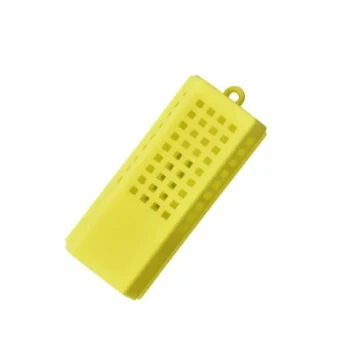
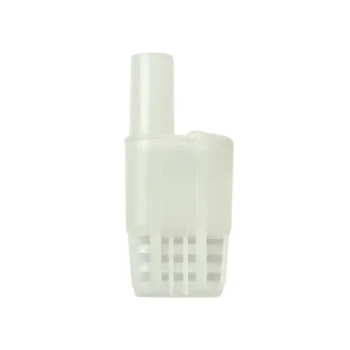
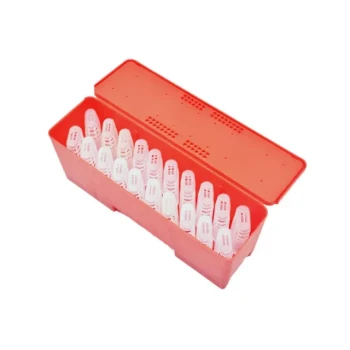
Consistent maintenance is the key to queen cage longevity. You must inspect the cage for structural wear on hinges and frames while adhering to a strict cleaning schedule every 2-3 weeks. This routine requires using a soft brush and mild soap to eliminate wax and guarantee necessary airflow.
The longevity of a queen cage depends on preventing wax accumulation and structural damage. Regular cleaning cycles and mesh inspections are essential to maintain the ventilation required for the queen's survival.
Establishing a Maintenance Routine
To ensure the queen cage remains a safe environment, you must move beyond occasional checks and implement a disciplined schedule.
The Cleaning Schedule
Proactive hygiene is critical for long-term use. You should establish a routine of cleaning the cage every 2-3 weeks. This frequency prevents the accumulation of debris that can degrade the cage materials over time.
Cleaning Techniques
When the scheduled cleaning time arrives, use a soft brush and a mild soap solution. This combination is abrasive enough to dislodge dirt but gentle enough to protect the cage structure. The primary goal during this process is to remove wax buildup, which naturally accumulates during use in the hive.
Structural Integrity and Inspections
Physical wear and tear can compromise the cage's security, risking the queen's escape or injury.
Checking Mechanical Parts
Regular inspections must focus on the moving components of the cage. specifically check the hinges and the frame for signs of wear. If these components fail, the cage can no longer safely contain the queen.
Monitoring the Mesh
The mesh is the lifeline of the cage, providing essential ventilation. You must inspect the mesh for damage or blockages during every maintenance cycle. Any obstruction here directly restricts air circulation, putting the queen's health at risk.
Understanding the Trade-offs
While maintenance is vital, improper handling during the process can lead to new issues.
Balancing Hygiene and Durability
Aggressive cleaning can be detrimental. Using a brush that is too stiff or scrubbing too vigorously can damage the delicate mesh or warp the frame. You must balance the need to remove wax with the need to preserve the cage's geometry.
Chemical Risks
The choice of cleaning agent is a critical trade-off. While strong chemicals might clean faster, they leave residues that are toxic to bees. You must strictly adhere to using mild soap to ensure the cage remains chemically neutral and safe for the queen.
Maximizing Equipment Lifespan
By following a strict protocol, you ensure your equipment remains reliable for the long term.
- If your primary focus is Hygiene: Adhere to a strict schedule of cleaning every 2-3 weeks with mild soap to prevent wax accumulation.
- If your primary focus is Mechanical Reliability: Prioritize the inspection of hinges, frames, and mesh for wear that could compromise containment or airflow.
Consistent maintenance ensures the cage remains a safe, ventilated environment for your most valuable colony asset.
Summary Table:
| Maintenance Aspect | Action Required | Frequency |
|---|---|---|
| Cleaning | Use soft brush & mild soap to remove wax | Every 2-3 weeks |
| Mechanical Check | Inspect hinges and frame for structural wear | Every cleaning cycle |
| Ventilation | Clear mesh of blockages and debris | Ongoing/Every cycle |
| Chemical Safety | Avoid toxic residues; use bee-safe cleaners | Always |
Maximize Your Colony Success with HONESTBEE
At HONESTBEE, we understand that high-performance beekeeping requires reliable tools that last. Whether you are managing a large-scale commercial apiary or operating as a regional distributor, our comprehensive wholesale offering provides everything you need to maintain a thriving business.
From durable queen management tools and specialized hardware—like hive-making and honey-filling machines—to essential industry consumables and honey-themed cultural merchandise, we deliver the quality and scale your operation demands.
Ready to elevate your equipment standards? Contact us today to discuss our bulk pricing and discover how HONESTBEE can streamline your beekeeping supply chain.
Related Products
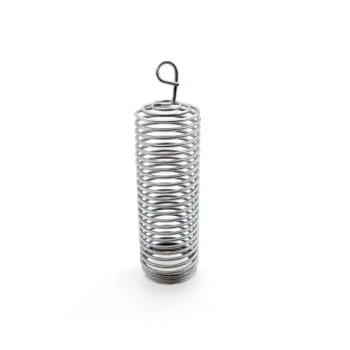
- Durable Galvanized Steel Spring Queen Bee Cage
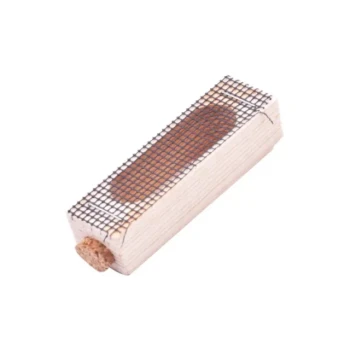
- Classic Wooden and Mesh California Queen Cage
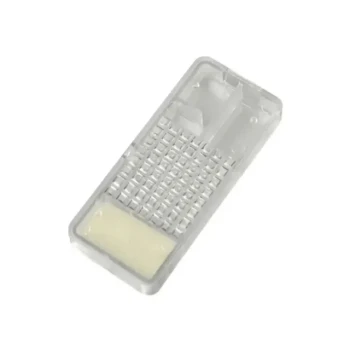
- Professional Queen Bee Introduction and Transport Cage
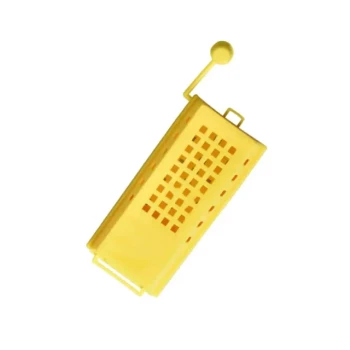
- Professional Queen Cage with Sliding Gate and Feeder Plug
- Professional Multi-Compartment Queen Cage with Sliding Lid
People Also Ask
- Why are specialized queen bee cages used for the banking of mated queen bees? Maximize Commercial Apiary Storage Efficiency
- What is the mechanism of action for using temporary queen bee cages? Master Successful Queen Introduction
- What is the step-by-step process for installing a queen bee's cage onto a frame? Ensure Hive Acceptance Safely
- What is the optimal placement for a queen bee cage? Essential Strategies for Successful Re-queening
- What are the advantages and disadvantages of introducing a queen bee by embedding the cage? Boost Your Queen Acceptance