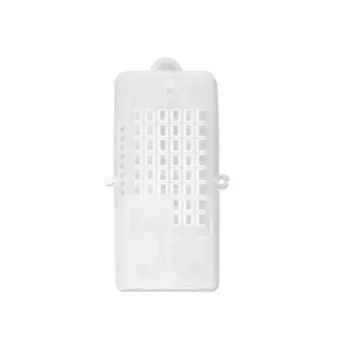
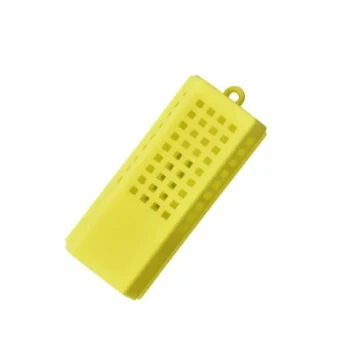
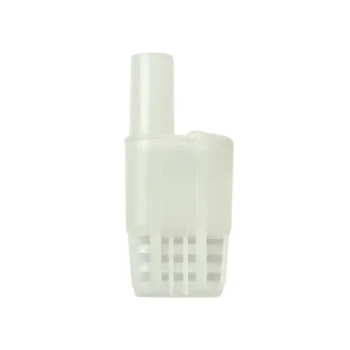
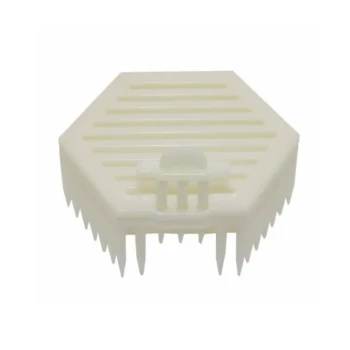
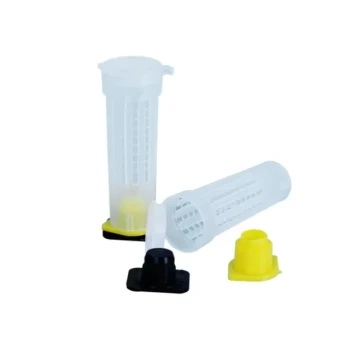
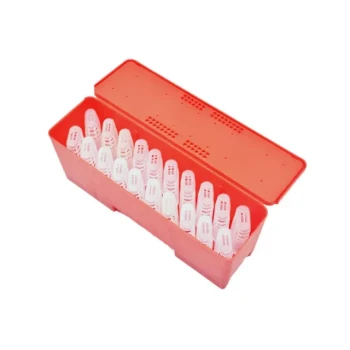
Proper installation of a queen cage requires placing it directly between the frames of the brood chamber. You must position the cage so that it is secure against movement and ensures worker bees have unobstructed access to the candy plugs to interact with the new queen.
The goal is controlled acclimation. The cage serves as a temporary barrier that allows the colony to adjust to the new queen's pheromones while preventing immediate rejection, with the candy plug acting as a timed release mechanism.
Positioning for Survival
To ensure the queen survives the introduction process, the physical placement of the cage within the hive is the most critical variable.
Locate the Brood Chamber
The cage must be installed in the brood chamber, not the honey supers. This is the center of colony activity where the temperature is regulated and the highest density of nurse bees resides.
Place Between Frames
Insert the cage between two frames containing brood. This positioning guarantees the queen remains within the warmth of the cluster, which is vital for her survival during the transition.
Ensure Stability
The cage must be absolutely secure. It should be wedged firmly enough between the frames that it will not shift, fall, or vibrate loose during hive manipulation, but not so tight that it damages the comb or the cage screen.
Facilitating Introduction
The installation is not just about storage; it is about facilitating a chemical and biological handshake between the queen and the colony.
Access to Candy Plugs
You must orient the cage to expose the candy plugs. Worker bees need direct access to this candy to eat through it, which releases the queen over a period of days rather than immediately.
Promoting Interaction
Position the cage so that the screen mesh is accessible to the workers. Nurse bees must be able to touch and feed the queen through the wire mesh to acclimate to her scent before she is released.
Common Pitfalls to Avoid
Even a correctly placed cage can fail if specific environmental factors are ignored.
Preventing "Dead Air" Space
Do not place the cage on the outer edges of the box or in areas without drawn comb. If the cage is not surrounded by the cluster of bees, the queen can die from exposure or cold.
Avoiding Screen Obstruction
Ensure the wax comb from adjacent frames does not press tightly against the wire screen of the cage. If the screen is blocked, the queen cannot receive food from the nurse bees and may starve.
Ignoring Burnt Comb Risks
Be aware that bees may build burr comb around the cage if it is left too long. While this is a concern for removal later, during installation, ensure you are not jamming the cage into existing burr comb that prevents a flush fit.
Making the Right Choice for Your Goal
How you install the cage depends on the immediate needs of the colony.
- If your primary focus is rapid acceptance: Ensure the cage is placed in the center of the brood nest where pheromone distribution is strongest.
- If your primary focus is queen safety: Double-check that the cage is securely wedged and cannot fall to the bottom board, where the queen would likely chill and die.
Correct installation turns a foreign invader into the heart of the colony.
Summary Table:
| Feature | Installation Requirement | Importance |
|---|---|---|
| Location | Center of the brood chamber | Maintains warmth and proximity to nurse bees |
| Placement | Securely between two brood frames | Prevents cage movement and exposure to cold |
| Orientation | Mesh screen and candy plug exposed | Enables pheromone exchange and timed release |
| Stability | Wedged firmly between top bars | Ensures the queen doesn't fall to the hive floor |
| Interaction | Clear space around wire mesh | Allows worker bees to feed and groom the queen |
Elevate Your Apiary's Success with HONESTBEE
Successful queen introduction is the foundation of a thriving hive, but having the right tools makes all the difference. At HONESTBEE, we specialize in supporting commercial apiaries and distributors with a comprehensive range of professional-grade beekeeping equipment. From high-quality queen cages and hive-making machinery to honey-filling systems and essential consumables, our wholesale portfolio is designed to enhance your operational efficiency.
Partner with HONESTBEE to scale your beekeeping business. Whether you are stocking up on industry essentials or investing in advanced machinery, we provide the value and reliability you need to grow.
Contact our expert team today to discuss your wholesale needs!
Related Products
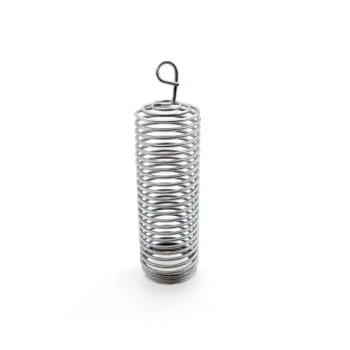
- Durable Galvanized Steel Spring Queen Bee Cage
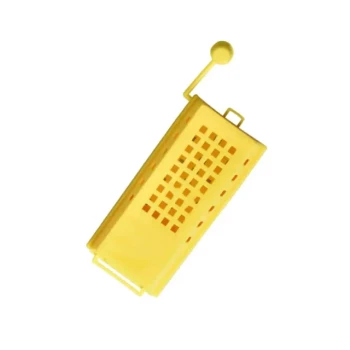
- Professional Queen Cage with Sliding Gate and Feeder Plug
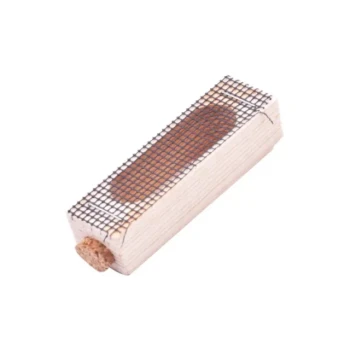
- Classic Wooden and Mesh California Queen Cage
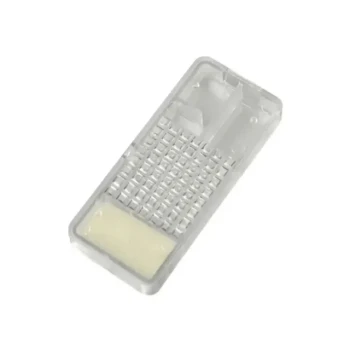
- Professional Queen Bee Introduction and Transport Cage
- Professional Multi-Functional Queen Bee Cage
People Also Ask
- Why are specialized queen bee cages used for the banking of mated queen bees? Maximize Commercial Apiary Storage Efficiency
- What is the mechanism of action for using temporary queen bee cages? Master Successful Queen Introduction
- What is the step-by-step process for installing a queen bee's cage onto a frame? Ensure Hive Acceptance Safely
- What is the optimal placement for a queen bee cage? Essential Strategies for Successful Re-queening
- What are the advantages and disadvantages of introducing a queen bee by embedding the cage? Boost Your Queen Acceptance