Queen excluders control where the queen can lay, queen catchers hold her safely, and queen markers make her easier to identify. Used together, these tools help beekeepers locate, inspect, evaluate, and replace queens with less disruption to the colony. For distributors and beekeepers, they form a practical queen-management set covering spatial control, safe handling, and long-term identification.
The three tools solve different management problems: the excluder restricts movement, the catcher provides temporary containment, and the marker enables rapid visual recognition. Selecting the correct tool for each task improves inspection efficiency and supports more consistent queen-stock management.
How Queen Excluders Control the Hive
Restricting the Queen to the Brood Area
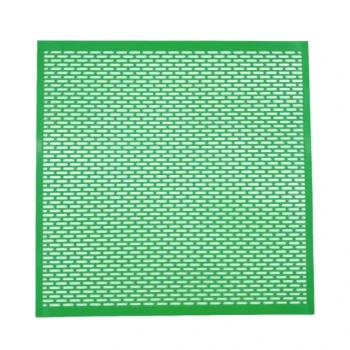
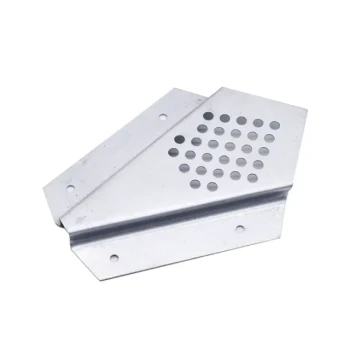
A queen excluder is a precision grid with openings large enough for worker bees but too small for the larger queen. Installed between hive bodies, it generally confines the queen to the brood chamber while workers continue moving through the grid.
This helps keep honey supers free of brood, making harvesting and comb management simpler. The result is brood-free honey storage, rather than a guarantee of higher honey quality in every colony.
Narrowing the Search Area
When the queen is restricted to specific boxes, inspections become more manageable. The beekeeper can focus the search on the brood area instead of examining every hive body.
An excluder can also be used temporarily before requeening. After the queen has been confined for a suitable period, fresh eggs and developing brood can help identify the section where she is located.
Confirming the Queen’s Location
One method is to place an excluder between two hive bodies and inspect them after several days. The body containing new eggs is the likely location of the queen because she has been unable to cross the barrier.
This method is indirect and should be treated as a location aid, not a substitute for careful inspection. Eggs may also reflect the timing of earlier laying activity.
Supporting Specialized Colony Management
Excluders can be used in some queen-rearing and breeding arrangements. They may help separate an existing queen from an area where queen cells are being developed or support controlled housing arrangements.
These applications require suitable hive design and experienced management. The exact setup matters because queen access, worker access, and colony compatibility must all be controlled.
How Queen Catchers Protect the Queen
Providing Temporary Containment
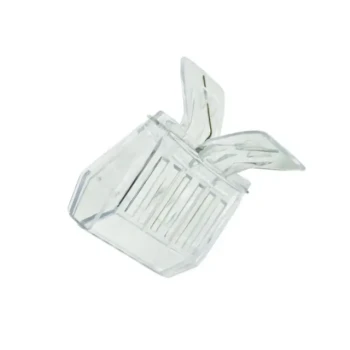
A queen catcher is a smooth container designed to isolate and hold the queen without crushing or directly gripping her. Common designs include plunger-style catchers and mesh crown-style containers.
The catcher gives the beekeeper time to inspect the queen, mark her, or complete a requeening procedure while reducing the risk of accidental injury.
Supporting Routine Inspections
During a hive inspection, the queen may need to be secured temporarily while frames are moved or examined. Containment prevents her from being lost among the frames or exposed to unnecessary handling.
The tool should be used calmly and for the shortest practical period. Rough movement, excessive pressure, or prolonged exposure can stress or injure the queen.
Enabling Requeening Work
When a colony is being requeened, a catcher can safely isolate the existing queen before she is removed or replaced. It can also be useful when a beekeeper needs to verify the queen’s condition before making a management decision.
For commercial operations, durable, smooth, easy-to-clean designs are important because the tool may be used repeatedly across many colonies.
How Queen Markers Improve Identification
Making the Queen Visible
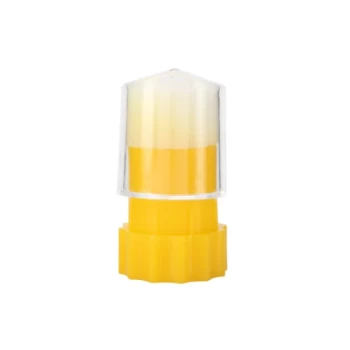
A queen marker applies a small, brightly colored, non-toxic dot to the queen’s thorax. This makes her easier to distinguish from thousands of similarly shaped worker bees during inspections.
Faster identification reduces the time frames must remain exposed and helps the beekeeper confirm that the queen is present.
Tracking Queen Age
Standardized color coding can indicate the queen’s year of introduction. This allows beekeepers to estimate queen age at a glance and organize replacement decisions more systematically.
Color conventions should be applied consistently within the operation. A visible mark supports recordkeeping, but it does not replace accurate hive records.
Monitoring Queen Performance
A marked queen is easier to follow during repeated inspections. The beekeeper can more efficiently assess her presence alongside colony indicators such as brood pattern, population, and food stores.
The marker identifies the queen; it does not by itself demonstrate that she is productive or healthy. Performance decisions should be based on the condition of the entire colony.
How the Tools Work Together
A Practical Inspection Sequence
The excluder can first reduce the area that needs to be searched. Once the queen is located, the catcher can hold her safely while the marker is applied or refreshed.
After release, the mark makes future inspections faster. This creates a straightforward workflow: restrict, contain, identify, and monitor.
Supporting Efficient Requeening
For requeening, the excluder may help narrow the queen’s likely location before the inspection. The catcher then allows safe removal or temporary isolation, while the marker helps distinguish the selected queen during subsequent checks.
This combination is particularly useful in large colonies where locating an unmarked queen can consume substantial time.
Improving Commercial Product Selection
Distributors and wholesalers can support varied customer needs by offering excluders, catchers, markers, replacement parts, and related hive-management supplies as a coordinated portfolio.
Product consistency, non-toxic marking materials, reliable availability, rapid order response, and clear technical support are important purchasing considerations for professional beekeeping customers.
Understanding the Trade-offs
Excluders Can Affect Colony Movement
Some colonies may be reluctant to pass through an excluder, particularly when it is introduced improperly or when hive conditions are not suitable. Restricted movement can also interfere with normal colony organization if the device is used without a clear management purpose.
Beekeepers should confirm that worker access, ventilation, and colony configuration are appropriate before installation.
Location Methods Are Not Infallible
Using an excluder to identify the queen’s hive body relies on observing fresh eggs and other brood evidence. The queen may have laid eggs before the excluder was installed, and brood development does not provide an exact real-time location.
Direct confirmation remains necessary when the queen must be removed, marked, or evaluated.
Marking Requires Care
Markers must be non-toxic and used sparingly on the thorax. Excessive paint, unsuitable materials, or careless application can harm the queen or make subsequent identification less reliable.
A mark may also fade or become difficult to see, so it should be checked during routine inspections and refreshed only when necessary.
Catchers Do Not Replace Skilled Handling
A queen catcher reduces handling risk, but it is not risk-free. The queen should not be squeezed, dropped, or held longer than necessary.
Tool quality also matters. Rough edges, poorly fitting plungers, or contaminated surfaces can create avoidable risks.
Making the Right Choice for Your Goal
Choose the tool according to the management task and the scale of the operation.
- If your primary focus is brood-free honey supers: Use a properly fitted queen excluder to restrict the queen to the brood area while allowing worker access.
- If your primary focus is locating the queen: Use an excluder to narrow the search area, then confirm her location through fresh eggs and direct inspection.
- If your primary focus is safe handling: Use a smooth queen catcher to isolate the queen temporarily during inspections, marking, or requeening.
- If your primary focus is queen identification: Use a non-toxic, brightly colored queen marker and apply a consistent identification system.
- If your primary focus is commercial hive management: Source compatible excluders, catchers, markers, and related supplies through a dependable supplier that can provide technical guidance and fast fulfillment.
Used with sound inspection practices, these tools give beekeepers precise control over queen location, handling, and long-term colony records.
Summary Table:
| Tool | Primary Use | Key Benefit |
|---|---|---|
| Queen Excluder | Restrict queen laying area | Brood-free honey supers, easier locating |
| Queen Catcher | Temporary containment | Safe handling during inspections & requeening |
| Queen Marker | Visual identification | Quick recognition & age tracking |
Elevate your apiary with premium queen management tools from HONESTBEE. Our wholesale supply ensures fast delivery and dedicated support, so you can focus on thriving colonies. Contact us today to discuss your bulk needs and discover how our full-spectrum beekeeping portfolio benefits your business.
Related Products
- High Performance Plastic Queen Excluder for Beekeeping and Apiary Management
- Lightweight Durable Plastic Queen Excluder Scraper for Beekeeping
- Professional Plastic Queen Excluder for Modern Beekeeping
- Metal Queen Bee Excluder for Beekeeping
- Premium Wood Framed Metal Wire Queen Bee Excluder
People Also Ask
- What are the characteristics of a plastic queen excluder? Key Benefits for Cost-Effective Beekeeping
- What are the operational and cost advantages of using plastic queen excluders over metal or wire excluders in commercial hive management? Discover how they reduce labor, prevent wing damage, and lower total costs.
- What types of queen excluders are available for beekeepers? Choose the Right Tool for Your Hive
- Why are standardized hive frames and queen excluders essential for maintaining honey purity and quality? Scale Your Purity
- Do plastic queen excluders work? A Cost-Effective Solution for Modern Apiaries