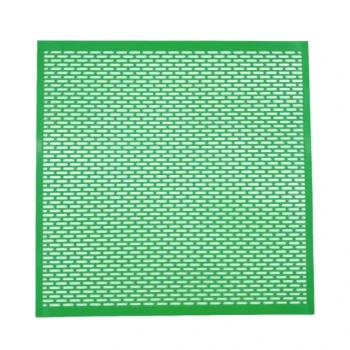
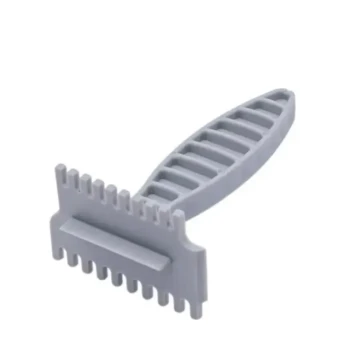
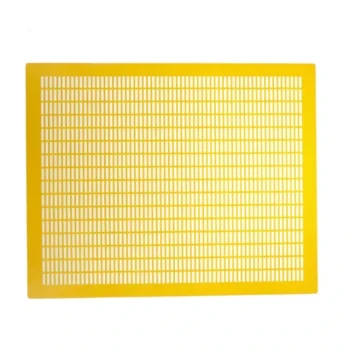
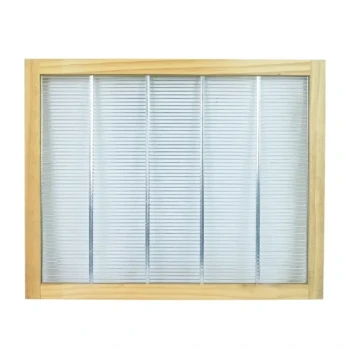
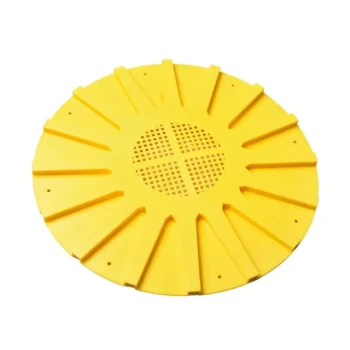
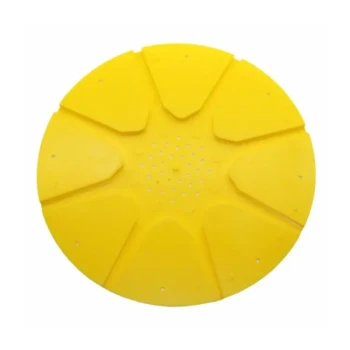
A plastic queen excluder is a modern, lightweight barrier used in beehives to confine the queen to the brood box while allowing smaller worker bees to pass through specific openings (approximately 0.163 inches). These devices are characterized by their low cost and non-corrosive nature, though they are often treated as semi-disposable items due to their limited durability compared to metal alternatives.
Core Insight: Plastic excluders are the budget-friendly, thermally neutral option for beekeepers, but they sacrifice longevity and rigidity. While they eliminate rust and weight, they are prone to warping and hive tool damage, typically requiring replacement every one to two years.
Physical and Thermal Characteristics
Thermal Neutrality
Unlike metal alternatives, plastic is a poor conductor of heat and cold. This is a significant advantage in extreme weather, as the excluder will not freeze or radiate intense heat into the hive, maintaining a more stable internal environment for the colony.
Weight and Construction
Plastic excluders are extremely lightweight, making them easier to transport and handle in the field. However, due to their construction, they tend to leave a small gap on the exterior of the hive, which beekeepers must monitor.
Pest Resistance
The design typically lacks the complex crevices found in some wire-framed or wood-bound excluders. This eliminates hiding spots for pests, specifically small hive beetles, assisting in overall hive hygiene.
Lifespan and Durability
Expected Longevity
Plastic excluders are generally viewed as a short-term investment. While many beekeepers treat them as disposable at the end of a single season, careful maintenance can extend their life to roughly two years.
Chemical and Environmental Stability
Plastic does not rust, which is a clear advantage over galvanized metal. However, repeated exposure to gamma irradiation (used for sterilization) can cause the plastic to become brittle and prone to snapping.
Understanding the Trade-offs
Susceptibility to Warping
The most significant operational flaw is the tendency to sag or warp over time. When the plastic loses its shape, it alters the "bee space" between the frames and the excluder, effectively restricting the movement of worker bees and reducing hive efficiency.
Cleaning Limitations
You cannot use high heat to clean propolis and wax off these excluders. While metal can be scorched or boiled, applying heat to plastic causes deformation, rendering the excluder useless.
Potential for Bee Injury
Not all plastic excluders are molded equally. Some "stamped" types may have sharp edges around the perforations. These rough edges can injure the wings or bodies of worker bees as they squeeze through the barrier.
Vulnerability to Hive Tools
Plastic is fragile when subjected to leverage. Using a hive tool to pry apart propolized boxes can easily gouge, crack, or snap the plastic, whereas metal excluders would simply withstand the force.
Making the Right Choice for Your Goal
Whether you should choose plastic depends on your budget and your operational volume.
- If your primary focus is low initial cost: Plastic is the superior choice, allowing you to equip multiple hives inexpensively, provided you accept a shorter replacement cycle.
- If your primary focus is thermal stability: Choose plastic to ensure the excluder does not transfer freezing temperatures or excessive heat into the brood nest.
- If your primary focus is long-term durability: Avoid plastic in favor of metal, as plastic's tendency to warp and crack under hive tool pressure will frustrate intensive operations.
Select plastic for its price and thermal benefits, but handle it with care to maximize its limited lifespan.
Summary Table:
| Feature | Plastic Queen Excluder Characteristic |
|---|---|
| Material Advantage | Non-corrosive, lightweight, and thermally neutral (no heat/cold transfer) |
| Pest Management | Minimal crevices, reducing hiding spots for small hive beetles |
| Durability | Semi-disposable; typically lasts 1-2 years; susceptible to warping |
| Maintenance | Low heat cleaning only; sensitive to hive tool pressure |
| Cost Profile | Highly budget-friendly; ideal for large-scale initial hive setups |
Elevate Your Beekeeping Operation with HONESTBEE
Are you looking to scale your apiary or restock your distribution inventory? HONESTBEE provides a comprehensive range of high-quality beekeeping essentials designed for commercial success.
From cost-effective plastic queen excluders to advanced honey-filling machines and durable hive-making hardware, we cater to the specific needs of commercial apiaries and distributors worldwide. Our wholesale portfolio ensures you get the tools, machinery, and consumables required to maintain a thriving business.
Ready to optimize your supply chain? Contact HONESTBEE today to discuss our volume discounts and full-spectrum equipment solutions!
Related Products
- High Performance Plastic Queen Excluder for Beekeeping and Apiary Management
- Lightweight Durable Plastic Queen Excluder Scraper for Beekeeping
- Professional Plastic Queen Excluder for Modern Beekeeping
- Plastic Queen Bee Excluder for Bee Hive Wholesale
- Premium Wood Framed Metal Wire Queen Bee Excluder
People Also Ask
- What are the operational and cost advantages of using plastic queen excluders over metal or wire excluders in commercial hive management? Discover how they reduce labor, prevent wing damage, and lower total costs.
- What types of queen excluders are available for beekeepers? Choose the Right Tool for Your Hive
- Why are standardized hive frames and queen excluders essential for maintaining honey purity and quality? Scale Your Purity
- Do plastic queen excluders work? A Cost-Effective Solution for Modern Apiaries
- What are the advantages of plastic queen excluders? Lightweight, low-cost, and pest-resistant.