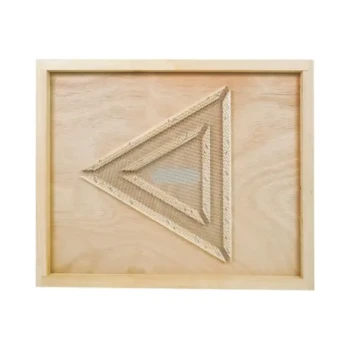
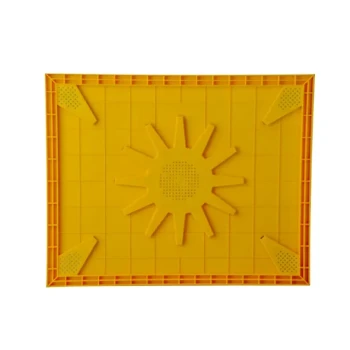
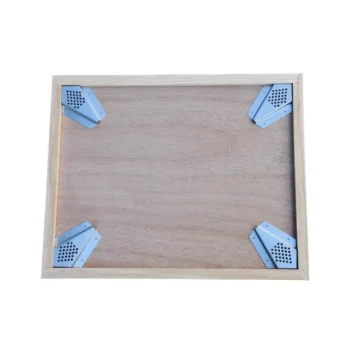
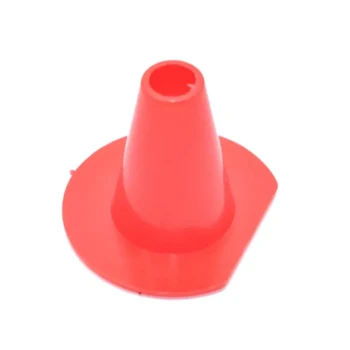
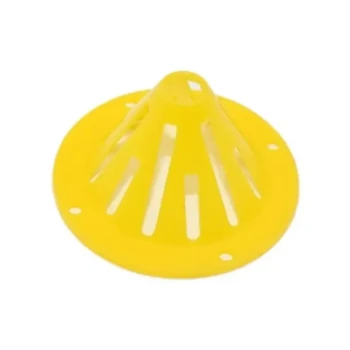
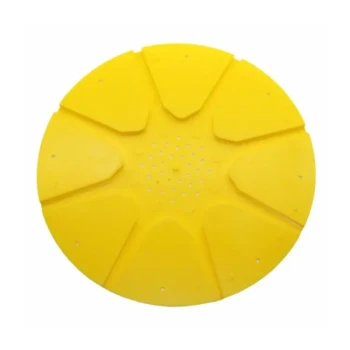
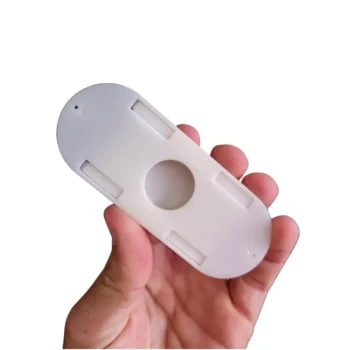
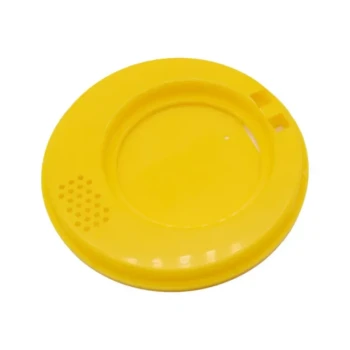
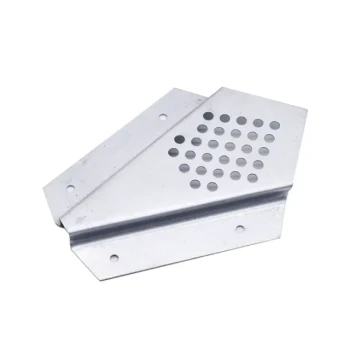
To utilize a bee escape on a Warre hive, you must place the escape board directly between the uppermost box containing honey and the active hive bodies below it. This device functions as a one-way valve, allowing bees to descend into the brood nest while physically preventing them from returning to the honey stores above.
By relying on the bees' natural movement rather than force, a bee escape offers a passive, non-intrusive method to clear honey boxes, significantly reducing stress on the colony compared to smoking or brushing.
The Mechanics of the Bee Escape
Creating a One-Way Flow
The fundamental principle of the bee escape is directional control. You insert the device between the target honey box and the rest of the hive.
The mechanism acts as a funnel. Bees can easily exit the top box to join the cluster below, but the narrow or baffled opening prevents them from navigating back up.
The Element of Time
Unlike active harvesting methods that use smoke or brushes, utilizing a bee escape is not instantaneous.
It is a passive process that requires patience. Over a period of time, the population in the top box naturally depletes as bees return to the main colony warmth or brood area and find themselves locked out of the upper super.
Strategic Placement in a Warre Hive
Identifying the Harvest Zone
In a standard Warre management system, honey is typically harvested from the top of the stack.
Therefore, the bee escape should be placed beneath the top box (the one intended for harvest) and above the second box. This isolates the honey stores at the very peak of the hive.
Preserving Winter Stores
Before installing a bee escape, you must verify the colony's resources. A Warre hive generally requires two to three boxes to overwinter successfully.
You should only place an escape board to harvest the top box if the bottom two boxes are already heavy with sufficient honey stores.
Seasonal Timing
Harvesting from a Warre hive—and consequently using a bee escape—is most appropriate in the fall, typically around September.
Note that honey is almost never harvested during a Warre hive's first season. The colony needs that initial year to build enough comb and resources to survive their first winter.
Understanding the Trade-offs
Temperature Management
A significant downside to using a bee escape is the loss of colony heat in the separated box. Because the bees leave the top box, the honey inside is no longer being warmed by the cluster.
If the nights are cold, the honey can become viscous and difficult to process. This is particularly relevant for Warre beekeepers who crush and strain comb, as cold wax and honey are harder to work with.
Equipment Compatibility
Standard extraction equipment is often designed for high-yield commercial frames and may not suit Warre hives.
Because Warre hives often use top bars or fixed comb, you cannot simply uncap and spin frames in a radial extractor. The bee escape aids in removal, but the subsequent extraction requires equipment adapted to the specific nest architecture of the Warre hive.
Making the Right Choice for Your Goal
When deciding whether to use a bee escape for your Warre hive, consider the colony's maturity and your immediate objectives.
- If your primary focus is Colony Survival: Do not install a bee escape or harvest honey during the hive's first year; ensure at least two full boxes remain for winter.
- If your primary focus is Low-Stress Harvesting: Use a bee escape in the fall (September) to clear the top box gently, avoiding the disruption of heavy smoking or brushing.
- If your primary focus is Honey Quality: Monitor the temperature closely while the escape is in place to ensure the isolated honey does not cool down effectively making extraction difficult.
The bee escape is the tool of choice for the patient beekeeper who prioritizes a calm apiary over speed.
Summary Table:
| Feature | Bee Escape Method Details |
|---|---|
| Placement | Between the top honey box and the brood nest |
| Mechanism | One-way funnel allowing bees to descend only |
| Optimal Timing | Fall (September), typically after the first year |
| Key Benefit | Non-intrusive, reduces colony stress vs. smoking |
| Requirements | Ensure 2-3 boxes remain for winter survival |
| Consideration | Honey temperature may drop, affecting viscosity |
Optimize Your Apiary with HONESTBEE Professional Equipment
At HONESTBEE, we understand that whether you are managing a backyard Warre hive or a large-scale commercial operation, efficiency and colony health are your top priorities. We provide a comprehensive wholesale range of high-quality beekeeping tools, specialized machinery, and essential consumables designed for distributors and commercial apiaries worldwide.
From honey-filling machines and hive-making hardware to specialized beekeeping tools, HONESTBEE is your partner in modernizing honey production.
Ready to scale your beekeeping business? Contact us today to explore our wholesale solutions
Related Products
- HONESTBEE Wooden Bee Escape Board with Triangle Mesh Design for Beekeeping
- HONESTBEE Multi Exit Plastic Bee Escape Board for Efficient Honey Harvesting
- HONESTBEE 4-Way Metal Corner Wooden Bee Escape Board
- Professional Cone Style Bee Escape for Efficient Honey Harvesting
- Slatted Porter Style Bee Escape for Rapid Hive Clearing
People Also Ask
- How is a bee escape board used to clear a hive body for honey harvesting? Optimize Your Chemical-Free Harvest
- What is a bee escape board and what problem does it solve? Simplify Your Honey Harvest with Passive Clearing
- How is a bee escape board used and how does it function? Master This Gentle Honey Harvesting Tool
- What are the proper steps for using a bee escape board for honey harvesting? Master the Passive Clearing Technique
- What tools and methods are used to clear honey bees from honey supers? Efficient Harvesting for Commercial Beekeepers