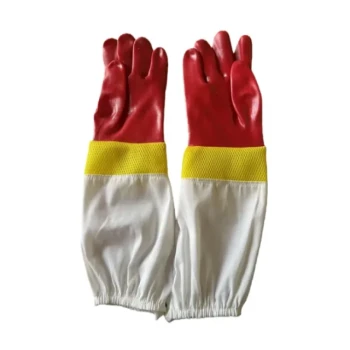
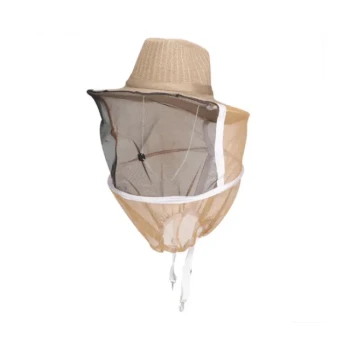
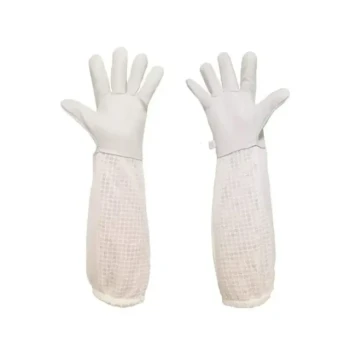
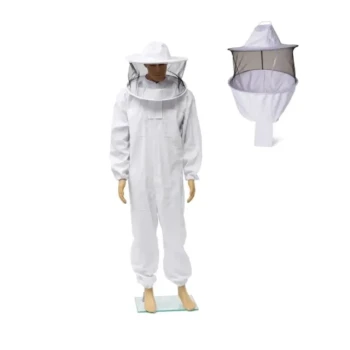
Effective protection requires sealing the gaps where clothing meets skin. To protect your ankles, you must secure pant legs with string or rubber bands, or tuck them securely inside your socks or shoes. For wrists, seal open shirtsleeves using Velcro closures, rubber bands, or specialized wristlets.
Angry bees frequently target the ankles first, making the seal between your pants and footwear a critical safety priority. Securing these vulnerabilities prevents bees from entering your clothing.
Securing the Lower Body
Understanding the Primary Target
Data indicates that angry bees often attack the ankles first. Because this area is a known target, prioritizing the seal on your lower body is essential for preventing stings.
Methods for Sealing Pant Legs
To prevent access, you can bind the bottom of your pant legs using string or rubber bands. This creates a physical barrier against the skin.
The Tucking Method
Alternatively, you can eliminate the gap entirely by tucking your pant legs inside your shoes or socks. This integrates your clothing layers to ensure no open seams remain exposed.
Securing the Upper Body
Managing Sleeve Openings
Open shirtsleeves present an entry point for bees near your hands. These openings must be closed tightly to ensure safety while working.
Closure Options for Wrists
You should secure sleeves using Velcro or rubber bands to keep the fabric tight against your wrist. Another effective option is the use of wristlets, which are designed to seal this specific gap.
Critical Considerations for Safety
Prioritizing Vulnerable Zones
The most common pitfall is neglecting the lower body. Because bees are inclined to attack ankles first, failing to secure pant legs is often riskier than leaving other areas exposed.
The Necessity of a Tight Seal
Simply wearing long pants or sleeves is insufficient if the ends are loose. You must actively use constricting agents (like bands or Velcro) or mechanical overlapping (tucking) to ensure the protection is functional.
Making the Right Choice for Your Safety
Different methods work best depending on your equipment and clothing choice.
- If your primary focus is ankle safety: Prioritize tucking pant legs into socks or shoes, as bees often attack this area first.
- If your primary focus is wrist dexterity: secure open sleeves with Velcro or wristlets to close gaps without restricting hand movement.
Secure your clothing gaps diligently to neutralize the bees' most common points of attack.
Summary Table:
| Vulnerable Area | Primary Protection Method | Alternative Tools |
|---|---|---|
| Ankles | Tucking pants into socks or boots | String, Rubber bands |
| Wrists | Securing sleeves with Velcro | Wristlets, Rubber bands |
| Clothing Gaps | Overlapping layers | Specialized hook-and-loop fasteners |
Secure Your Apiary Success with HONESTBEE
Protecting your team is the first step toward a productive season. At HONESTBEE, we understand the unique challenges faced by commercial apiaries and distributors. We provide a comprehensive wholesale range of high-quality beekeeping tools, specialized machinery, and essential consumables designed to keep your operations safe and efficient.
From durable protective gear to advanced hive-making and honey-filling machines, our portfolio is built to support your growth. Contact us today to discover how our premium equipment and tailored wholesale solutions can add value to your business.
Related Products
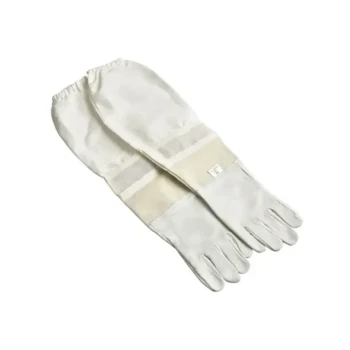
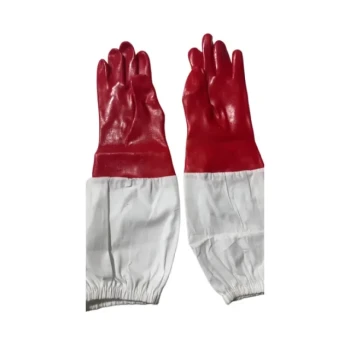
- Goatskin Leather Beekeeper Gloves with Vent Long Sleeve for Beekeeping Honey Bee Sting Proof Protection
- Goat Skin Leather Bee Sting Proof Beekeeping Gloves with Canvas Sleeve
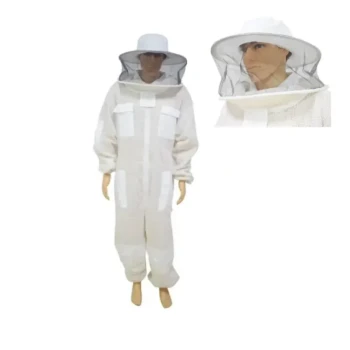
- Premium Cotton Beekeeper Suit with Reinforced Fencing Veil
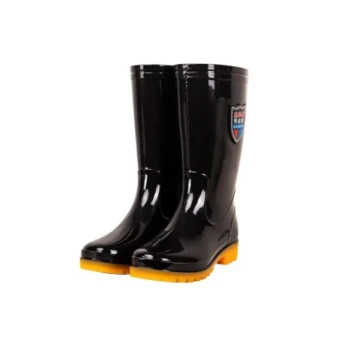
- Professional PVC Beekeeping Shoes with Integrated Non-Slip Sole
- Beekeeping Gloves Goatskin Leather with Long Cotton Sleeve for Beekeepers
People Also Ask
- What are the characteristics of goatskin beekeeping gloves? Enhance Dexterity and Protection in Your Apiary
- Why is it important to have gloves available even if not always worn? Essential Risk Management for Beekeepers
- What are the primary purposes of using beekeeping gloves? Protect Your Hands and Ensure Apiary Hygiene
- Why do some experienced beekeepers opt not to wear gloves? Discover the Benefits of Tactile Precision
- Why is it important for beekeepers to wear gloves? Essential Safety and Confidence for Hive Management