Advanced capping systems enhance liquid honey packaging safety by creating a hermetic secondary barrier that eliminates leakage and prevents external contamination. By utilizing technologies like induction sealing or vacuum capping, these systems ensure the honey remains isolated from environmental moisture and oxygen. This level of protection is vital for maintaining the product's chemical stability and sensory profile during rigorous long-distance logistics.
For distributors and wholesalers, advanced capping is not just a safety feature; it is a critical component of supply chain reliability that prevents product loss and preserves brand reputation. Implementing these technologies ensures that honey maintains its premium quality from the production line to the retail shelf.
Mitigating Logistics and Leakage Risks
The Role of Secondary Barrier Sealing
Advanced systems like induction sealing provide a secondary physical barrier that is essential for honey due to its high fluidity. This barrier acts as a fail-safe, ensuring that even if the primary cap is subjected to vibration or pressure changes during transit, the liquid remains contained.
Vacuum Integrity for Long-Haul Transport
Vacuum capping removes air from the headspace before sealing, creating a pressurized environment that holds the lid securely in place. This prevents "breathing" of the container, which often occurs during altitude changes in global shipping, thereby maintaining a consistent seal.
Protecting Against High Permeability
Liquid honey can permeate standard seals over time if the fit is not precision-engineered. Advanced capping machinery ensures a perfect torque application, which is necessary to handle the unique viscosity and permeability of various honey types.
Preserving Chemical Stability and Purity
Prevention of Moisture-Induced Fermentation
Honey is highly hygroscopic, meaning it readily absorbs moisture from the air, which can lead to fermentation and spoilage. Automated capping equipment minimizes the time the honey is exposed to the environment, locking out humidity immediately after filling.
Safeguarding Volatile Aromas
The characteristic scents of premium varieties, such as Acacia or Chestnut honey, are highly volatile and easily lost to the air. Precision sealing preserves these aromatic compounds, ensuring the end consumer experiences the full sensory profile intended by the producer.
Blocking Environmental Contaminants
High-performance caps serve as the final line of defense against dust, bacteria, and other pollutants. By maintaining airtight integrity, these systems guarantee that the honey remains a "natural, minimally processed" product throughout its entire shelf life.
Optimizing Distribution through Automation
Efficiency in High-Volume Fulfillment
For large-scale distributors, fully automatic capping machines offer the speed required for rapid order fulfillment without sacrificing sealing quality. These systems are capable of handling various formats, from standard screw caps to specialized corks, with consistent precision.
Reducing Human Error in Sealing
Manual capping often leads to inconsistent torque, which is a primary cause of leaks in the B2B supply chain. Precision-engineered automated systems eliminate this variable, providing a uniform seal across every unit in a thousand-case shipment.
One-Stop Sourcing and Technical Expertise
Leveraging a partner with deep professional industry expertise allows distributors to source the specific cap materials and colors that meet both aesthetic and safety requirements. A comprehensive portfolio ensures that the capping solution is perfectly matched to the bottle type and honey variety.
Understanding the Trade-offs
Equipment Complexity vs. Operational Speed
While fully automated systems offer the highest safety and speed, they require more significant initial investment and technical calibration. Wholesalers must balance the need for ultra-fast delivery with the maintenance requirements of high-tech vacuum or induction machinery.
Material Compatibility and Sustainability
Not all advanced seals are compatible with every cap material; for instance, induction liners require specific foil-to-plastic pairings. Choosing the wrong combination can lead to a weak seal, highlighting the need for expert consultation during the sourcing phase.
Cost of Over-Engineering
For domestic, short-distance distribution, the most advanced vacuum systems might exceed the actual safety requirements of the product. It is essential to match the capping technology level to the specific logistical challenges of the target market to maintain cost-effectiveness.
Making the Right Choice for Your Goal
Achieving the perfect seal requires balancing technical performance with your specific business objectives.
- If your primary focus is global export and long-haul logistics: Prioritize induction sealing and vacuum capping to ensure a leak-proof secondary barrier that withstands pressure changes.
- If your primary focus is premium retail shelf presence: Invest in high-performance caps that offer both airtight integrity and customizable aesthetics to reflect product purity.
- If your primary focus is rapid fulfillment and high-volume turnover: Utilize fully automated capping machinery to ensure consistent torque and minimize exposure time during the packaging process.
By integrating advanced capping technology with expert sourcing services, you secure the integrity of your honey products and the trust of your retail partners.
Summary Table:
| Capping Technology | Primary Benefit | B2B Logistics Advantage |
|---|---|---|
| Induction Sealing | Hermetic secondary barrier | Eliminates leaks during high-vibration transit |
| Vacuum Capping | Pressure-locked integrity | Prevents container "breathing" during altitude changes |
| Automated Torque | Precision-engineered sealing | Eliminates human error and ensures uniform batch quality |
| High-Speed Systems | Minimal air exposure | Prevents moisture absorption and maintains shelf life |
Secure Your Global Honey Supply Chain with HONESTBEE
As a premier partner for commercial apiaries and B2B distributors, HONESTBEE provides a comprehensive one-source solution for your beekeeping and packaging needs. From advanced honey-filling and capping machinery to specialized hardware and industry consumables, we ensure your product maintains its premium integrity from production line to retail shelf.
Our Value to Distributors and Wholesalers:
- Comprehensive Portfolio: Full-spectrum supply of beekeeping tools, machinery, and cultural merchandise.
- B2B Excellence: Deep industry expertise with support for OEM/ODM, high profit margins, and reliable certifications.
- Operational Efficiency: Ultra-fast delivery, rapid response times, and exceptional customer service.
Optimize Your Packaging Performance – Contact Us Today
References
- Nawal Benkrizi, Saliha Chetouane. Uncovering motivations for honey consumption in northwestern Algeria. DOI: 10.31285/agro.29.1820
This article is also based on technical information from HonestBee Knowledge Base .
Related Products
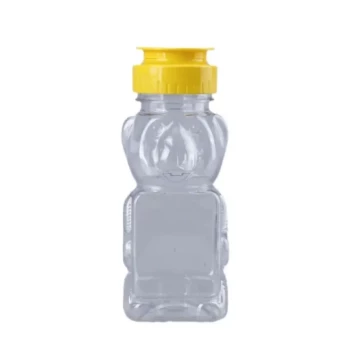
- Classic Honey Bear Jars with Flip Top Dispensing Cap for Liquid Sweeteners
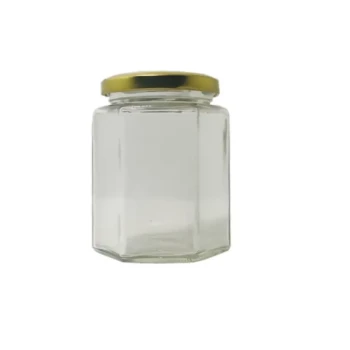
- Hexagonal Glass Honey Jars with Metal Lug Caps Elegant Versatile Packaging
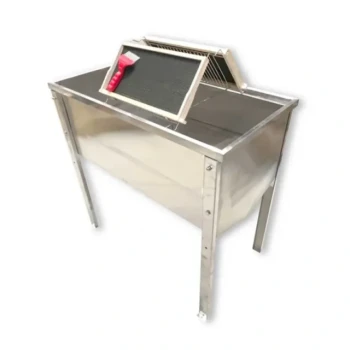
- Stainless Steel Uncapping Tank with Stand and Strainer
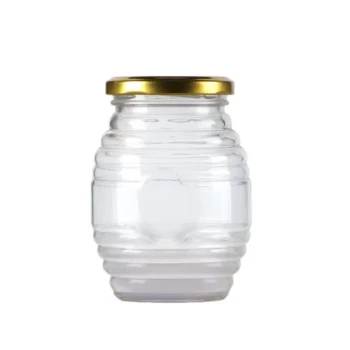
- Classic Glass Honey Jar with Metal Lug Cap for Beehive Storage
- Inverted Squeezable Honey Jar with No Drip Flip Top Cap for Easy Pouring
People Also Ask
- What food safety standards must honey containers meet? Expert Guide to Packaging Integrity & Hygiene
- Why is it important to distinguish between weight and volume when selecting honey containers? Maximize Profits Now
- What are the benefits of purchasing honey containers in bulk? Maximize Margins & Secure Your Supply Chain
- What should be considered when choosing a container for honey to ensure effective sealing? Master Honey Packaging Success
- What is the best container to store honey in? Preserve Purity & Flavor for Years