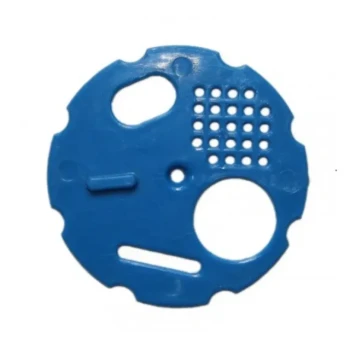
Effective robbing prevention begins with defensive geometry. To stop robbing during feeding, you must reduce hive entrances to make defense manageable for the colony. Furthermore, use external feeders with extreme caution, avoid overfeeding, and monitor the apiary regularly to detect early signs of aggression.
Robbing is an opportunistic behavior triggered by easily accessible resources. Prevention relies on tightening hive defenses and managing feed delivery to ensure syrup is consumed quickly without attracting outside foragers.
Strengthening Hive Defenses
Reducing the Entrance Size
A wide entrance is difficult for a colony to guard against invaders. By installing entrance reducers, you funnel traffic into a small area. This allows guard bees to effectively defend their stores against potential robbers by creating a "choke point."
Establishing a Defensive Perimeter
The goal is to make the colony easier to defend. When the entrance is restricted, fewer guard bees are required to secure the hive. This preserves the colony's energy and allows them to focus on consuming the supplemental feed safely.
Managing Feed Delivery
Examining Feeder Types
External feeders pose a significant risk because they often expose the scent of food to the open air. You must use these devices with caution. If neighboring colonies detect the syrup, they may attempt to bypass the guards to reach the source.
Avoiding Overfeeding
Providing more food than a colony can consume quickly creates a surplus that sits vulnerable. Unprotected syrup acts as a beacon for robbers. Feed only the amount the colony can process immediately to maintain stability.
Ongoing Colony Management
Regular Monitoring
Consistent observation is vital for maintaining apiary order. Check the hives regularly for erratic flight patterns or fighting at the entrance. Early detection allows you to intervene before a minor skirmish escalates into a full-scale robbing event.
Common Pitfalls to Avoid
Neglecting Spills and Scent
A major trade-off of supplemental feeding is the increased scent profile of the apiary. Even minor spills during refilling can trigger robbing. Cleanliness is not optional; it is a defensive necessity.
Underestimating Weak Colonies
Weak colonies are the most vulnerable to robbing but often need feeding the most. Relying on standard entrance sizes for these hives is a mistake. They require the smallest possible opening to survive the pressure of stronger, robbing hives.
Implementing a Defensive Feeding Strategy
Successful supplemental feeding requires balancing resource provision with security.
- If your primary focus is Colony Defense: Prioritize reducing entrance sizes immediately before introducing any food sources to empower guard bees.
- If your primary focus is Feeding Efficiency: Limit food quantities to what can be consumed overnight to prevent syrup from acting as a long-term attractant.
By controlling access points and carefully managing food volumes, you protect your bees from the devastating effects of resource competition.
Summary Table:
| Prevention Strategy | Key Action | Benefit |
|---|---|---|
| Entrance Control | Install entrance reducers | Creates a manageable choke point for guard bees |
| Feeder Choice | Use internal or top feeders | Minimizes scent exposure compared to external feeders |
| Volume Control | Feed only what is consumed quickly | Prevents surplus syrup from attracting outside foragers |
| Sanitation | Clean up all syrup spills | Removes the olfactory cues that trigger robbing behavior |
| Monitoring | Watch for erratic flight patterns | Allows for early intervention before robbing escalates |
Secure Your Apiary with Professional-Grade Solutions
Protecting your colonies from robbing requires more than just technique—it requires the right equipment. At HONESTBEE, we specialize in supporting commercial apiaries and distributors with a full spectrum of high-quality beekeeping tools. From precision-engineered hive-making and honey-filling machines to essential industry consumables, our wholesale offerings are designed to enhance your operational efficiency and colony security.
Whether you are looking to scale your production or supply your local market with premium beekeeping hardware and honey-themed cultural merchandise, our team is ready to help you succeed. Contact us today to discuss your wholesale needs and see how HONESTBEE can empower your beekeeping business.
Related Products
- Steel Round Disc Entrance Reducer for Flexzion Bee Hive Nuc Box Gate
- Beehive Entrance Reducer Guardian Metal Hive Entrance for Bees
- Professional Hive Front Entrance Bee Feeder
- HONESTBEE Entrance Bee Feeder Efficient Hive Front Liquid Feeding Solution for Beekeeping
- HONESTBEE Entrance Bee Feeder Professional Hive Nutrition Solution for Beekeeping
People Also Ask
- What is the purpose of an entrance reducer for a beehive? Strengthen Colony Defense and Prevent Robbery
- Why are entrance reducers used to counter hornet infestations? Protect Your Hive with Strategic Choke Points
- Why is it critical to maintain a smaller entrance for a newly established bee hive? Boost Colony Growth and Security
- Under what conditions should a beekeeper adjust the size of a beehive entrance? Seasonal & Defense Management Tips
- What is the function of an entrance reducer on a beehive? Strengthen Colony Defense and Climate Control