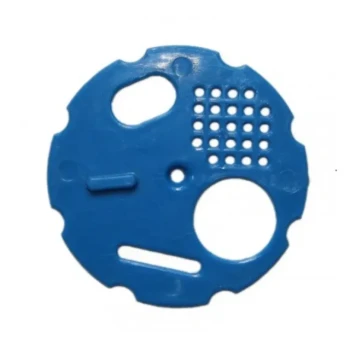
A beehive entrance should be adjusted primarily based on the colony's population strength, the season, and the immediate environmental threats. You must reduce the entrance size during nectar dearths, winter months, or when a colony is weak. Conversely, the entrance should be widened or the reducer removed during heavy honey flows or extreme heat to facilitate traffic and ventilation.
Core Insight: The hive entrance acts as a regulatory valve for security, temperature, and resource flow. Your goal is to keep the opening small enough for the current population to defend and heat, but large enough to prevent traffic bottlenecks during peak foraging.
Regulating Colony Defense
Protecting Weak Populations
A small colony cannot defend a large fortress. When you install a new nucleus colony (nuc) or a package of bees, you must restrict the entrance to its smallest setting.
This concentrates the colony's guard bees into a manageable area. It allows a smaller workforce to effectively repel intruders while the population builds up numbers.
Preventing Robbing During Dearth
During periods of nectar dearth (when natural food is scarce), stronger hives and wasps will attempt to rob weaker hives.
Reducing the entrance is a critical defense strategy during these times. It forces potential robbers into a bottleneck where guard bees can easily repel them.
Managing Climate and Pests
Winter Heat Conservation
In colder months, the colony's priority shifts to thermoregulation. A reduced entrance minimizes drafts and helps the cluster conserve internal heat.
Climate dictates the specific size; colder regions require smaller openings to prevent rapid heat loss, while warmer climates may tolerate slightly larger openings for air circulation.
Pest Exclusion
As temperatures drop, pests look for warm shelter. Mice are a significant threat to overwintering hives.
Using an entrance reducer—specifically one designed as a "mouse guard" with small holes—prevents rodents from entering and destroying the comb while allowing bees to pass.
Optimizing Forflow and Ventilation
Accommodating Heavy Nectar Flow
When a colony is strong and the nectar flow is peaking, a small entrance becomes a liability.
If you observe significant traffic congestion or a "bottleneck" of bees waiting to enter, the reducer is impeding productivity. In this scenario, widen the entrance or remove the reducer entirely to allow efficient foraging.
Ventilation in Extreme Heat
Internal hive temperature must be regulated to keep brood healthy.
During extremely hot weather, a larger opening acts as an intake for air circulation. This helps the bees ventilate the hive and maintain a stable internal climate.
Understanding the Trade-offs
The Risk of Bottlenecks
Leaving a strict reducer (such as a 1-inch gap) on a booming colony during summer is a common mistake.
This creates a traffic jam that slows down pollen and nectar collection. If the colony is large enough to guard the full width of the bottom board, the reducer is likely unnecessary during peak season.
The Risk of Premature Removal
Removing the reducer too early in the spring or leaving it off too late in the fall is dangerous.
A large entrance on a colony that hasn't reached full strength invites robbing and heat loss. Always err on the side of caution until the population is visibly crowding the entrance.
Making the Right Choice for Your Goal
If your primary focus is establishing a new colony:
- Use the smallest entrance setting immediately upon installation to ensure the small population can defend their new home.
If your primary focus is winter survival:
- Install a reducer or mouse guard to retain heat and physically block rodents from seeking shelter inside the hive.
If your primary focus is maximizing honey production:
- Monitor the landing board for congestion; if bees are queuing to get in, widen the entrance to remove the bottleneck.
If your primary focus is preventing robbing:
- Keep the entrance reduced during late summer or any period where flowers are not blooming, regardless of the colony size.
Adjust the entrance not by the calendar, but by observing the traffic at the landing board and the strength of the colony behind it.
Summary Table:
| Condition | Recommended Entrance Action | Primary Benefit |
|---|---|---|
| New Nuc/Package | Smallest Setting | Concentrates guard bees for defense |
| Nectar Dearth | Reduce Size | Prevents robbing from stronger hives/wasps |
| Winter Months | Reduce / Mouse Guard | Conserves heat and excludes rodents |
| Heavy Honey Flow | Wide / Remove Reducer | Eliminates traffic bottlenecks for foragers |
| Extreme Heat | Widen Entrance | Increases ventilation and internal cooling |
| Weak Colony | Smallest Setting | Assists small populations in hive security |
Scale Your Apiary Operations with HONESTBEE
Optimizing hive defense and thermal regulation is critical for commercial success. At HONESTBEE, we specialize in supporting commercial apiaries and distributors with a comprehensive wholesale range of professional beekeeping tools.
From high-precision hive-making and honey-filling machinery to durable entrance reducers and essential industry consumables, our portfolio is designed to enhance your productivity and honey yield.
Ready to upgrade your equipment? Contact us today to discuss our wholesale offerings and discover how our specialized hardware can benefit your target customers and business growth.
Related Products
- Steel Round Disc Entrance Reducer for Flexzion Bee Hive Nuc Box Gate
- Beehive Entrance Reducer Guardian Metal Hive Entrance for Bees
- Beehive Entrance Discs Plastic Bee Entrance Disc for Bee Hives
- HONESTBEE Entrance Bee Feeder Professional Hive Nutrition Solution for Beekeeping
- Professional Hive Front Entrance Bee Feeder
People Also Ask
- What is the purpose of an entrance reducer for a beehive? Strengthen Colony Defense and Prevent Robbery
- Why are entrance reducers used to counter hornet infestations? Protect Your Hive with Strategic Choke Points
- Why is it critical to maintain a smaller entrance for a newly established bee hive? Boost Colony Growth and Security
- What is the function of an entrance reducer on a beehive? Strengthen Colony Defense and Climate Control
- Why is a smaller entrance size beneficial for a beehive? Boost Hive Defense & Productivity