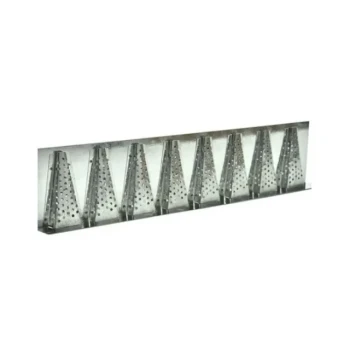
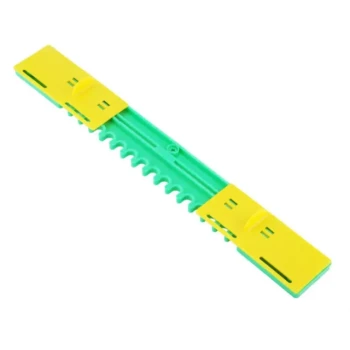
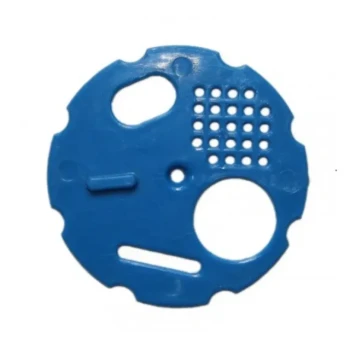
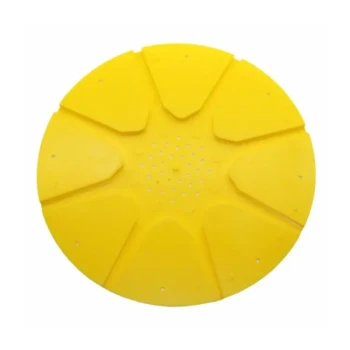
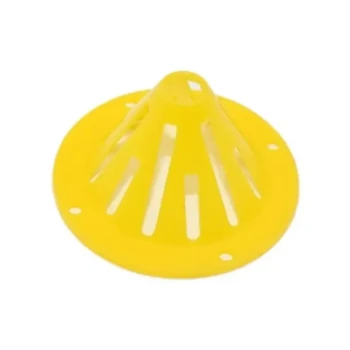
Maintaining a smaller entrance for a newly established hive is critical because it acts as a force multiplier for the colony's limited population, allowing them to effectively defend against robbers while conserving the internal heat required for brood development. Without this restriction, a young colony is liable to be overwhelmed by intruders or exhausted by the metabolic cost of thermal regulation.
New colonies lack the workforce to patrol large perimeters or generate massive amounts of heat. Restricting the entrance creates a manageable "choke point" for defense and acts as a thermal damper to stabilize the hive's internal climate during the sensitive establishment phase.
The Mechanics of Hive Defense
Preventing Colony Robbing
A new hive is a resource-rich target for opportunistic pests, particularly robbing bees from stronger nearby colonies.
When the entrance is wide, the scent of syrup or honey escapes easily, attracting unwanted attention. A reduced entrance minimizes this scent signature and prevents a massive influx of intruders that could overwhelm the colony.
The Guard-to-Opening Ratio
A young colony has a finite number of bees available for guard duty.
By using an entrance reducer to narrow the opening, you create a defensible bottleneck. This allows a small number of guard bees to protect the hive effectively, as they only need to monitor a space the width of a few bees rather than the entire front of the hive box.
Thermal Regulation and Efficiency
Conserving Internal Heat
During the establishment phase, maintaining a stable internal temperature is vital for the health of the brood (developing bees).
A large opening creates drafts and allows precious warmth to escape rapidly. By restricting the entrance, you reduce airflow, helping the colony retain the heat generated by the cluster.
Reducing Metabolic Stress
Bees generate heat by consuming food and vibrating their wing muscles.
If a hive loses heat too quickly due to a large entrance, the bees must consume more stores and work harder to maintain homeostasis. A smaller entrance reduces this metabolic load, allowing the colony to direct its energy toward comb building and brood rearing rather than fighting a losing battle against the cold.
Understanding the Trade-offs
Monitoring for Congestion
While a small entrance is safer, it can eventually become a bottleneck for traffic as the colony grows.
If you observe a "traffic jam" of bees trying to enter and exit simultaneously, or if bees are "bearding" (clustering) heavily on the outside during hot weather, the entrance may be too small for the current population size.
Ventilation Considerations
In extremely hot climates or during peak summer, a fully restricted entrance might limit necessary airflow.
Beekeepers must balance the need for security against the need for ventilation. However, for a new colony, the risk of robbing and heat loss almost always outweighs the need for maximum ventilation.
Making the Right Choice for Your Colony
The goal is to match the entrance size to the strength of the colony.
- If your primary focus is establishing a package or nucleus colony: Keep the entrance at its smallest setting (usually about an inch) until they have drawn out most of the comb in the first box.
- If your primary focus is supporting a growing population: Gradually widen the entrance as the bee numbers increase to prevent congestion, but be ready to reduce it again if a dearth (nectar shortage) induces robbing behavior.
The entrance reducer is not just a piece of wood; it is a critical tool that scales the environment to fit the colony's current capabilities.
Summary Table:
| Feature | Small Entrance Benefit | Risk of Large Entrance |
|---|---|---|
| Colony Defense | Creates a defensible choke point against robbers | Scent escapes easily, attracting opportunistic pests |
| Thermal Control | Minimizes drafts and retains internal brood heat | Rapid heat loss forces bees to consume more stores |
| Workforce Utility | Allows fewer guards to patrol the perimeter | Overwhelms small populations with large patrol areas |
| Energy Focus | Energy goes toward comb building and rearing | Energy is wasted on metabolic heat production |
Empower Your Apiary with Professional-Grade Solutions
Success in beekeeping begins with the right environment and the highest quality equipment. At HONESTBEE, we understand the delicate balance required to establish and scale a thriving colony.
Whether you are a commercial apiary needing advanced hive-making and honey-filling machinery or a distributor looking to supply essential tools and consumables, we offer a comprehensive wholesale portfolio tailored to your needs. From durable hardware to honey-themed cultural merchandise, we provide the tools that help your business—and your bees—flourish.
Ready to elevate your beekeeping operations? Contact our expert team today to discuss how our wholesale solutions can drive your success.
Related Products
- Steel Round Disc Entrance Reducer for Flexzion Bee Hive Nuc Box Gate
- Beehive Entrance Reducer Guardian Metal Hive Entrance for Bees
- HONESTBEE Entrance Bee Feeder Professional Hive Nutrition Solution for Beekeeping
- HONESTBEE Entrance Bee Feeder Efficient Hive Front Liquid Feeding Solution for Beekeeping
- White Plastic 0.5L Beekeeping Entrance Feeder for Bees
People Also Ask
- What is the purpose of an entrance reducer for a beehive? Strengthen Colony Defense and Prevent Robbery
- Why are entrance reducers used to counter hornet infestations? Protect Your Hive with Strategic Choke Points
- What is the function of an entrance reducer on a beehive? Strengthen Colony Defense and Climate Control
- Under what conditions should a beekeeper adjust the size of a beehive entrance? Seasonal & Defense Management Tips
- Why is a smaller entrance size beneficial for a beehive? Boost Hive Defense & Productivity