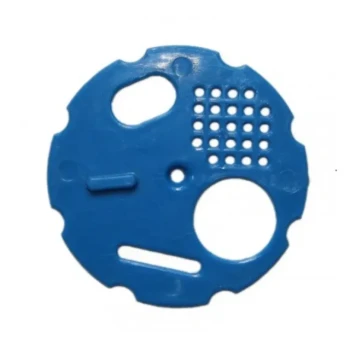
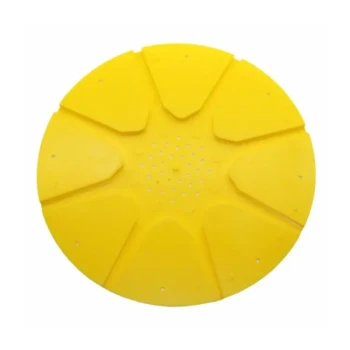
An entrance reducer serves as a critical defense mechanism for your beehive, specifically designed to protect a colony while it is still growing. It is typically a small, notched strip of wood placed between the bottom board and the first hive body (deep super) to physically narrow the opening of the hive. By regulating the size of the entrance, it allows the bees to better manage traffic and secure their resources.
The entrance reducer concentrates the colony's defensive capabilities, enabling a smaller population of bees to effectively guard a narrow gap against intruders that would easily breach a wide-open entrance.
The Mechanics of Hive Defense
Regulating the Perimeter
A standard hive entrance runs the full width of the bottom board, which can be difficult for a small colony to patrol.
Supporting Weak or New Colonies
The primary function of the reducer is to assist weak or growing hives. By shrinking the physical space that requires guarding, you reduce the stress on the colony and allow them to focus on foraging and brood rearing rather than defense.
Traffic Control
The reducer acts as a funnel. It streamlines the movement of bees entering and exiting, making it easier for the colony to identify and intercept threats before they gain access to the interior.
Specific Protection Functions
Preventing Robbery
During times of nectar dearth, strong colonies or wasps may attempt to rob weaker hives of their honey stores. A reduced entrance creates a "choke point" that makes it significantly harder for these robbers to overwhelm the guard bees.
Deterring Pests
The reducer also serves as a barrier against larger pests, such as mice, looking for a warm winter home.
Limitations of Wood vs. Metal
While a wooden reducer can deter mice, they can chew through wood if determined. For maximum protection against rodents, a metal mouse guard is considered more effective than a standard wooden entrance reducer.
Understanding the Trade-offs
Ventilation Constraints
While restricting the entrance keeps intruders out, it also restricts airflow. In the height of summer, a reducer can cause the hive to overheat if the colony is large, potentially leading to bearding or swarming.
Entrance Congestion
As the colony grows strong, the reducer can become a bottleneck. If you see a "traffic jam" of foragers trying to return with pollen and nectar, the reducer may be hindering the hive's productivity rather than helping it.
Making the Right Choice for Your Colony
The decision to use an entrance reducer depends entirely on the current strength and needs of your bees.
- If your primary focus is establishing a new package or nucleus colony: Keep the reducer on the smallest setting to maximize defense until the population grows.
- If your primary focus is winterizing the hive: Use the reducer to keep out mice and reduce cold drafts, but ensure there is still adequate ventilation.
- If your primary focus is maximum honey production in a strong hive: Remove the reducer to allow unrestricted traffic flow for foragers.
Use the reducer as a temporary shield to nurture growth, removing it once the colony possesses the strength to defend itself.
Summary Table:
| Feature | Purpose | Best Used For |
|---|---|---|
| Defense Strategy | Creates a defensible choke point | Weak colonies and new packages |
| Pest Control | Blocks mice and larger insects | Winterization and nectar dearth |
| Traffic Control | Streamlines bee movement | Monitoring hive health and intake |
| Climate Control | Reduces cold drafts | Winter protection and early spring |
Maximize Your Apiary's Productivity with HONESTBEE
At HONESTBEE, we specialize in empowering commercial apiaries and distributors with high-quality, professional-grade beekeeping solutions. Whether you need specialized hive-making machinery, honey-filling equipment, or a bulk supply of essential beekeeping tools and consumables, we have the expertise to scale your operations.
Protect your investment and enhance colony growth with the industry’s most reliable hardware and honey-themed cultural merchandise. Contact our wholesale team today to discover how our comprehensive portfolio can optimize your business and support your success.
Related Products
- Steel Round Disc Entrance Reducer for Flexzion Bee Hive Nuc Box Gate
- Beehive Entrance Reducer Guardian Metal Hive Entrance for Bees
- Beehive Entrance Discs Plastic Bee Entrance Disc for Bee Hives
- HONESTBEE Entrance Bee Feeder Professional Hive Nutrition Solution for Beekeeping
- HONESTBEE Entrance Bee Feeder Efficient Hive Front Liquid Feeding Solution for Beekeeping
People Also Ask
- Why are entrance reducers used to counter hornet infestations? Protect Your Hive with Strategic Choke Points
- Why is it critical to maintain a smaller entrance for a newly established bee hive? Boost Colony Growth and Security
- Under what conditions should a beekeeper adjust the size of a beehive entrance? Seasonal & Defense Management Tips
- What is the function of an entrance reducer on a beehive? Strengthen Colony Defense and Climate Control
- What is the function of an entrance reducer for a beehive? Essential Guide for Profitable Beekeeping Distribution