After a bacterial brood disease outbreak, reusable wooden hive components should be scraped clean and disinfected with a properly prepared sodium hypochlorite solution, while infected brood frames must be destroyed. Remove all wax, propolis, and other debris before fully submerging boxes, bottom boards, covers, and similar shell components for at least 20 minutes. Chemical antibiotics such as oxytetracycline are discouraged because they do not destroy bacterial spores and can contaminate apiary products and equipment.
The essential distinction is between a disinfectant used to treat cleaned equipment and an antibiotic used to suppress disease. Properly disinfect reusable wooden parts after thorough preparation, but do not rely on chemical bacteriostats to make infected colonies or equipment safe.
What Must Be Disinfected After an Outbreak
Separate Wooden Shells From Brood Frames
Reusable wooden hive bodies and shell components may be candidates for cleaning and disinfection. This includes boxes, bottom boards, covers, and related wooden hardware that remains structurally sound.
Infected brood frames require a different response: they should be burned rather than returned to service. Porous comb and frame structures can retain bacterial spores in places that surface cleaning cannot reliably reach.
Assess Whether Equipment Is Worth Saving
Disinfection is appropriate only when wooden equipment is physically sound and can be thoroughly accessed. Deep cracks, severe deterioration, or embedded contamination increase the risk that spores will remain after treatment.
For compromised equipment, replacement is the more dependable biosecurity decision. New hive components also reduce the risk of re-infection during subsequent production cycles.
How to Disinfect Reusable Wooden Components
Scrape Away Contaminated Material
Begin by removing all visible wax, propolis, and debris from the wooden surfaces. Scraping is essential because organic residue can shield pathogens from the disinfectant and prevent the solution from contacting the wood evenly.
Pay particular attention to joints, corners, grooves, handles, and other areas where material accumulates. Collect the removed debris as contaminated waste and prevent it from spreading to clean equipment or colonies.
Fully Submerge the Components
After scraping, fully submerge the reusable wooden parts in a sodium hypochlorite solution. The components should remain soaked for at least 20 minutes, with all relevant surfaces exposed to the solution.
Use the concentration and handling instructions specified for the chosen product and applicable veterinary or apiary authority guidance. Operators should also follow appropriate procedures for chemical handling, ventilation, personal protection, rinsing, and drying before the equipment returns to service.
Consider Additional Physical Treatment
Physical treatment can provide an additional sanitation route for suitable wooden parts. Thoroughly scorching the inner wooden surfaces with a torch is one established approach, provided the wood is not damaged and the operator can treat all contaminated areas safely.
Other methods described for wooden equipment include boiling in a 10% lye solution for 20 minutes or using specialized gamma radiation. These options require appropriate equipment, trained handling, and strict safety controls, so they may be more practical for specialist operators than for routine apiary work.
Why Antibiotic Treatments Are Discouraged
Antibiotics Do Not Destroy Bacterial Spores
Chemical bacteriostats such as oxytetracycline may suppress bacterial growth, but they do not reliably destroy the spores associated with serious bacterial brood diseases such as American Foulbrood.
This creates a false sense of security. The visible disease may appear controlled while contaminated equipment continues to threaten healthy colonies.
Repeated Use Can Promote Resistance
Using antibiotics as a substitute for equipment sanitation increases the risk of selecting antibiotic-resistant bacterial strains. Once resistance develops, future disease control becomes more difficult and less predictable.
For distributors and beekeepers, this is also a supply-chain and compliance concern: products and treatment practices must remain aligned with current veterinary requirements and market expectations.
Residues Can Contaminate Apiary Products
Antibiotic treatments can permanently contaminate beeswax, honey, and hive equipment. Residues may compromise product quality, restrict marketability, and create regulatory problems for commercial operators.
A treatment that appears inexpensive at the point of use can therefore create much greater downstream costs through rejected products, equipment loss, or interrupted fulfillment.
Understanding the Trade-offs
Bleach Treatment Requires Complete Preparation
Sodium hypochlorite treatment is only useful when the wooden parts are first scraped clean and fully immersed for the required time. A quick surface spray or partial dip is not equivalent to a complete soak.
The solution must also be handled carefully because improper concentration, contact, storage, or disposal can reduce effectiveness or create safety hazards.
Heat Can Damage Wooden Equipment
Scorching can sanitize suitable surfaces, but excessive heat may weaken or deform wood. It is also difficult to treat deeply embedded contamination without damaging the component.
The method is therefore best applied by trained operators who can distinguish sufficient surface scorching from destructive burning.
Replacement May Be the Most Reliable Option
Reusing sound wooden components can reduce replacement costs and preserve operational capacity. However, saving equipment is not worthwhile if it leaves a credible route for re-infection.
When frames are infected, wood is badly degraded, or contamination cannot be reached consistently, replacement provides the clearest biosecurity outcome. Maintaining a ready supply of replacement hive bodies, frames, and covers helps wholesalers and apiaries respond quickly without delaying colony management.
Making the Right Choice for Your Goal
Choose the response according to the condition of the equipment and the level of biosecurity required.
- If your primary focus is maximum disease control: Destroy infected brood frames and replace wooden equipment that is degraded, deeply contaminated, or impossible to clean completely.
- If your primary focus is preserving sound wooden components: Scrape away all wax and propolis, fully soak the parts in sodium hypochlorite for at least 20 minutes, and follow product and safety requirements.
- If your primary focus is commercial product integrity: Avoid oxytetracycline as an equipment treatment because it can leave residues in honey, beeswax, and hive hardware.
- If your primary focus is fast operational recovery: Maintain dependable access to replacement hive equipment and sanitation supplies so affected colonies can be isolated and healthy operations can resume quickly.
Effective outbreak response depends on combining thorough cleaning, validated disinfection, responsible equipment replacement, and disciplined sourcing of biosecurity-critical supplies.
Summary Table:
| Component | Action | Method |
|---|---|---|
| Wooden shells (boxes, bottom boards, covers) | Reusable if sound | Scrape off all wax/propolis, then soak in sodium hypochlorite for at least 20 minutes |
| Brood frames | Destroy | Burn or replace; do not reuse |
| Compromised equipment (cracked, deteriorated) | Replace | Dispose of safely, use new components |
Protect your apiary from devastating brood diseases with reliable equipment and supplies. HONESTBEE offers a comprehensive range of beekeeping tools, machinery, and consumables to help you maintain biosecurity and operational efficiency. Our one-stop sourcing and rapid delivery ensure you get quality replacement hives, frames, and disinfectants when you need them. Contact us today to discuss your requirements and secure a trusted supply partner. Get in touch
Related Products
- Wholesales Dadant Size Wooden Bee Hives for Beekeeping
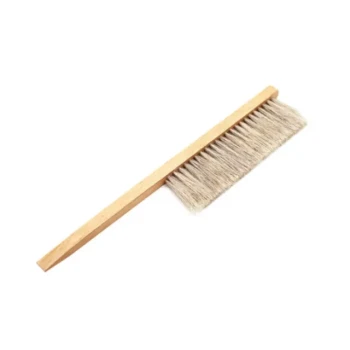
- Wooden Bee Brush with Double-Row Horsehair Bristles
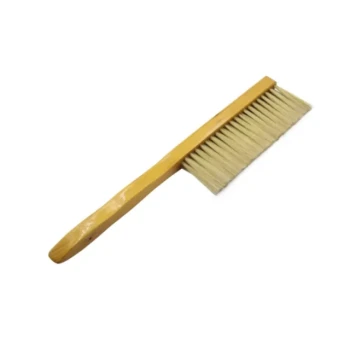
- Wooden Bee Brush with Triple Row Artificial Fiber for Beekeeping
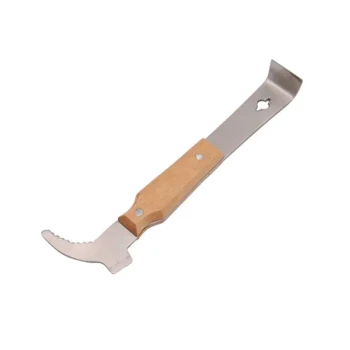
- HONESTBEE Professional Multi-Functional Hive Tool with Ergonomic Wood Handle
People Also Ask
- What are the strategic benefits of installing beekeeping hives at an elevation of 1 to 6 meters? Protect Your Assets
- What are the key advantages of modern improved beekeeping hives? Scale Your Honey Yield and Production Efficiency
- What is the proper way to store unused bee hives? Expert Stacking Tips for Equipment Longevity
- What are the 2 types of bee hives? Langstroth vs. Top-Bar for Your Apiary
- How does the design of improved beekeeping hives contribute to maintaining honey quality and purity? Enhancing Purity